Let's talk about what stress actually does down there
You already know stress makes your shoulders tight and your jaw clenched. What nobody tells you is that it does the exact same thing to your pelvic floor. When you're under prolonged pressure—work deadlines, relationship friction, family stuff, money worries—your muscles down there stay partially contracted, almost like they're bracing for impact. Add that to the fact that stress hormones literally amplify nerve sensitivity, and you've got a recipe for clitoral tenderness that makes even the gentlest touch feel like too much.
This isn't in your head. This is physiology. Your nervous system is in protection mode, which means everything feels sharper, more irritating, less pleasurable.
The stress-sensitivity loop (and how it feeds itself)
Here's the frustrating part: when your clit is hypersensitive from stress, your instinct is often to avoid stimulation entirely. That makes sense. But skipping pleasure actually deepens the problem. Orgasms regulate your nervous system, lower cortisol, and help the pelvic floor learn to release tension. When you stop having them, stress compounds, sensitivity gets worse, and the cycle tightens.
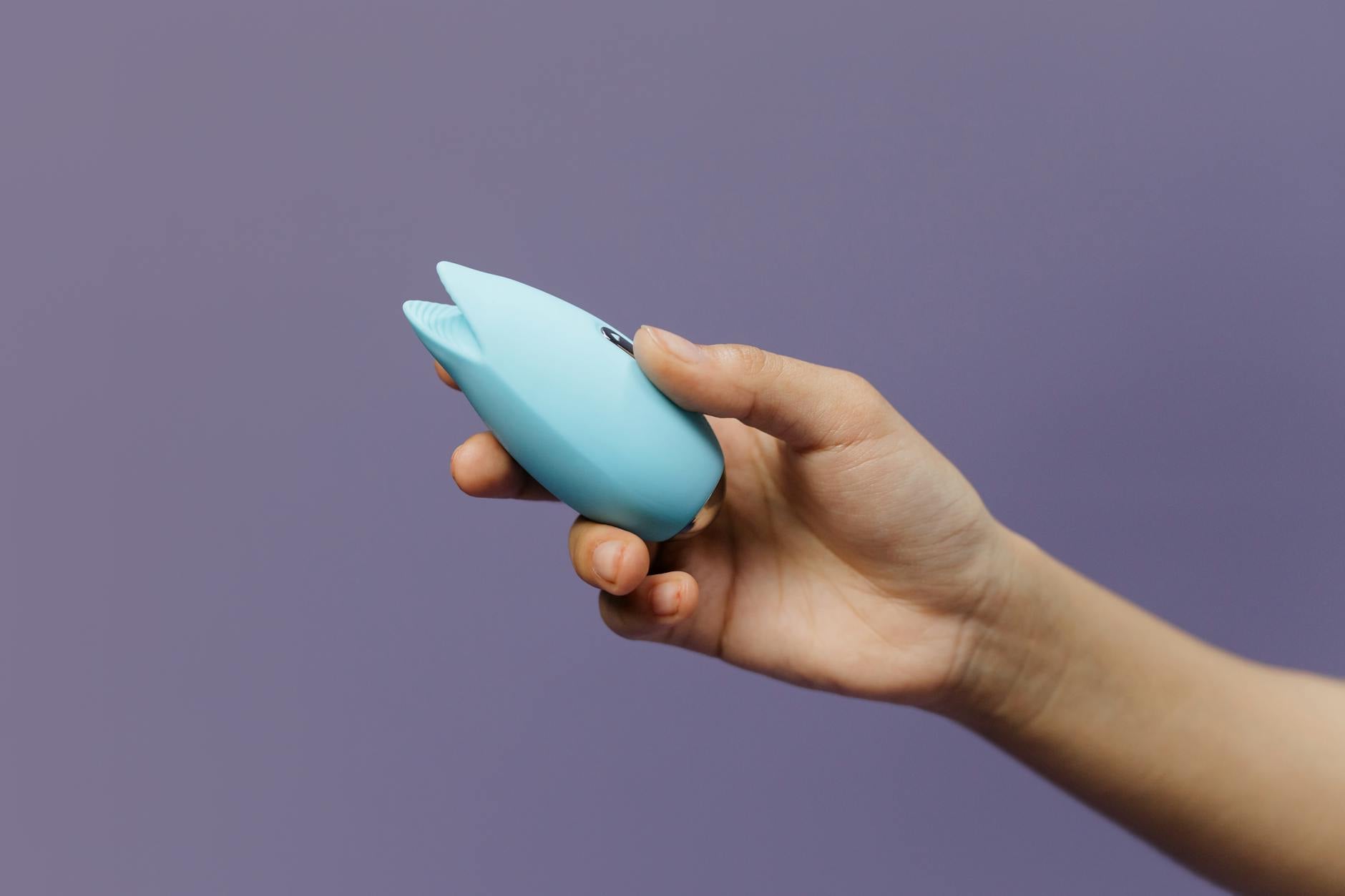
Lemon clitoral vibrators—especially the design of the Lemon suction toys—actually interrupt this loop because they work differently than traditional vibration. They apply gentle, rhythmic pressure that encourages the pelvic floor to relax rather than contract further. That's crucial when you're stressed.
Why suction-based vibrators feel less intense when you're overstimulated
Traditional vibrators use high-frequency oscillation. When your nerves are already firing on alert, that jangly feeling can feel overwhelming. Lemon vibrators use air-pulse suction technology, which creates a sensation more like gentle cupping or massage than buzzing friction.
The result? You get strong, satisfying stimulation without the sharp intensity that sends an already-tensed nervous system into further overdrive. It's the difference between someone prodding your tight shoulder muscle versus someone applying slow, steady pressure. One makes you wince. The other gradually loosens you.
Five techniques to rebuild pleasure under stress
1. Start with the lowest setting and stay there for five sessions. Your nervous system needs permission to reset. If you jump to medium intensity, you're essentially asking your muscles to relax while you're also signaling threat. Stay with pattern 1 or 2 on your Lemon device for at least a week. You'll notice sensitivity dropping almost immediately.
2. Breathe before you begin, not during. Spend two minutes doing 4-count in, 6-count out breathing before you even turn on your vibrator. This activates your parasympathetic nervous system (the "rest and digest" branch). Once you start, your job is just to notice pleasure, not to force anything.
3. Focus on indirect stimulation first. Instead of going straight to the clitoris, spend 5-10 minutes running your vibrator around the vulva—the inner thighs, the outer labia, the area around the clitoral hood. This primes sensation without overwhelming it. It's like warming up before a workout.
4. Layer sensation to diffuse intensity. If direct clitoral stimulation still feels too sharp, try holding a washcloth or thin fabric between your device and your skin. Yes, really. This softens the sensation just enough to let your nervous system register pleasure instead of threat. As stress drops over days or weeks, you can remove the barrier.
5. Use your vibrator for relaxation, not just orgasm. This might be the most important one. Spend 15-20 minutes on low intensity without the goal of coming. Your only job is to notice what feels good, where, and for how long. This rewires your brain's relationship with pleasure. Orgasms often follow naturally once the pressure is off.
The pelvic floor release work that matters
Vibration alone won't fully solve this if your pelvic floor is clenched. You need to teach it to release. Try this before using your Lemon vibrator: lie on your back, place one or two fingers inside your vagina just past the opening, and gently press downward and outward, like you're trying to bulge your pelvic floor out. Hold for 10 seconds while breathing steadily. Relax. Repeat 5-10 times.
This reverse-Kegel trains your muscles to downregulate. When you then use your vibrator, the tissue is primed to receive sensation rather than resist it. The two practices together create real, lasting change.
When stress shows up as pain, not just sensitivity
There's an important distinction: hypersensitivity (sharp, uncomfortable sensation) is what we're addressing here. Pain (sharp, burning, or stabbing feeling) is different and might signal something else—tension-related vaginismus, inflammation, or dermatological issues. If you experience pain, a pelvic floor therapist or gynecologist trained in sexual health is your best resource. They can rule out underlying issues and guide you through specific release work.
The mental part (which is half the battle)
Your brain is running a threat narrative. Stress tells you: "Your body is unsafe, everything is urgent, you need to stay on guard." Pleasure requires the opposite message: "You're safe, this is good, I'm allowed to feel good."
This is where the actual magic of consistent, low-pressure vibration happens. Every time you use your Lemon vibrator on a relaxed setting and nothing bad happens, your nervous system updates its threat assessment. Slowly, the signal shifts from "danger" to "healing."
Speaking to a therapist about the stress itself also helps. Sometimes how to use lemon vibrators with your partner without pressure or shame is part of the solution—bringing a trusted partner into the conversation removes isolation and creates accountability.
A note on timing
Don't use your vibrator right after a high-stress moment. Give yourself at least 30 minutes to downshift. If you've just had a tense conversation or finished a deadline, your nervous system is still flooded with adrenaline. Use that time to walk, journal, or sit quietly. Then use your device. The effect will be infinitely better.
The timeline for real change
Sensitivity from stress doesn't reverse in one session. Most people notice meaningful improvement after 1-2 weeks of consistent practice. After 4 weeks, the difference is dramatic. The key is regularity—three to four times per week at low intensity beats once-a-week at maximum intensity.
If stress is chronic and ongoing, you're essentially doing nervous system physical therapy. Like any physical therapy, it requires patience and repetition. But the payoff is real: a return to pleasure, less pelvic floor tension, and a nervous system that feels genuinely safer.
FAQ
Why does stress make my clit feel numb instead of sensitive?
Both happen, and they're related. When you're stressed, your nervous system prioritizes survival signals over pleasure signals. Some people experience hypersensitivity (everything hurts), others experience hyposensitivity (nothing feels like much). Both are your nervous system protecting you. The techniques here work for both—low-intensity stimulation on a relaxed pelvic floor gradually recalibrates sensation either way.
Can I use my Lemon vibrator if I have vaginismus from stress?
Yes, but gently. Start with external-only stimulation (outer labia, clitoral area) and spend weeks there before considering internal play. If penetration is painful, focus entirely on clitoral work. A pelvic floor therapist can run you through specific relaxation exercises that pair beautifully with low-intensity vibration.
How do I know if sensitivity is from stress or something else?
Stress-related sensitivity usually gets worse when life is chaotic and better when things calm down. It's often accompanied by jaw tension, shoulder tightness, or noticed racing thoughts. If sensitivity is constant regardless of stress levels, or if you see visible redness or swelling, check with a gynecologist to rule out dermatological issues or infection.
Is it normal to feel anxious using a vibrator even when my clit isn't physically sensitive?
Completely. Stress often brings up emotional anxiety about pleasure—guilt, shame, or just the feeling that you "shouldn't" be focused on this right now. That's part of the nervous system dysregulation. Using your vibrator at low intensity specifically to calm your system (rather than to chase an orgasm) reframes it as self-care, which actually helps the anxiety soften.
Should I tell my partner about my sensitivity?
If you're in a partnership, yes. Explain it plainly: "Stress has made my body feel tight and sensitive. I'm working through it by using my vibrator on low settings for relaxation, not orgasm. This isn't about you. It helps me feel safer." Partners who understand the "nervous system reset" framing are usually relieved—it takes pressure off them to fix it.
How is stress-related sensitivity different from desensitization?
Desensitization is when repeated overstimulation or numbing from medications dulls sensation over time. Stress sensitivity is acute—it comes on during periods of high pressure and can shift relatively quickly. How to use lemon vibrators for intense sensation when you have a desensitized clit covers that separately because the techniques differ. If your sensitivity is stress-related, the low-intensity approach here will work faster.
The bottom line
Stress doesn't take away your capacity for pleasure. It just puts your nervous system in protection mode. Lemon clitoral vibrators—designed to deliver satisfaction without sharp intensity—give your system permission to relax while still receiving good sensation. Pair that with breathing, pelvic floor awareness, and patience, and you'll notice pleasure returning. Your body isn't broken. It's just asking for a gentler pace.