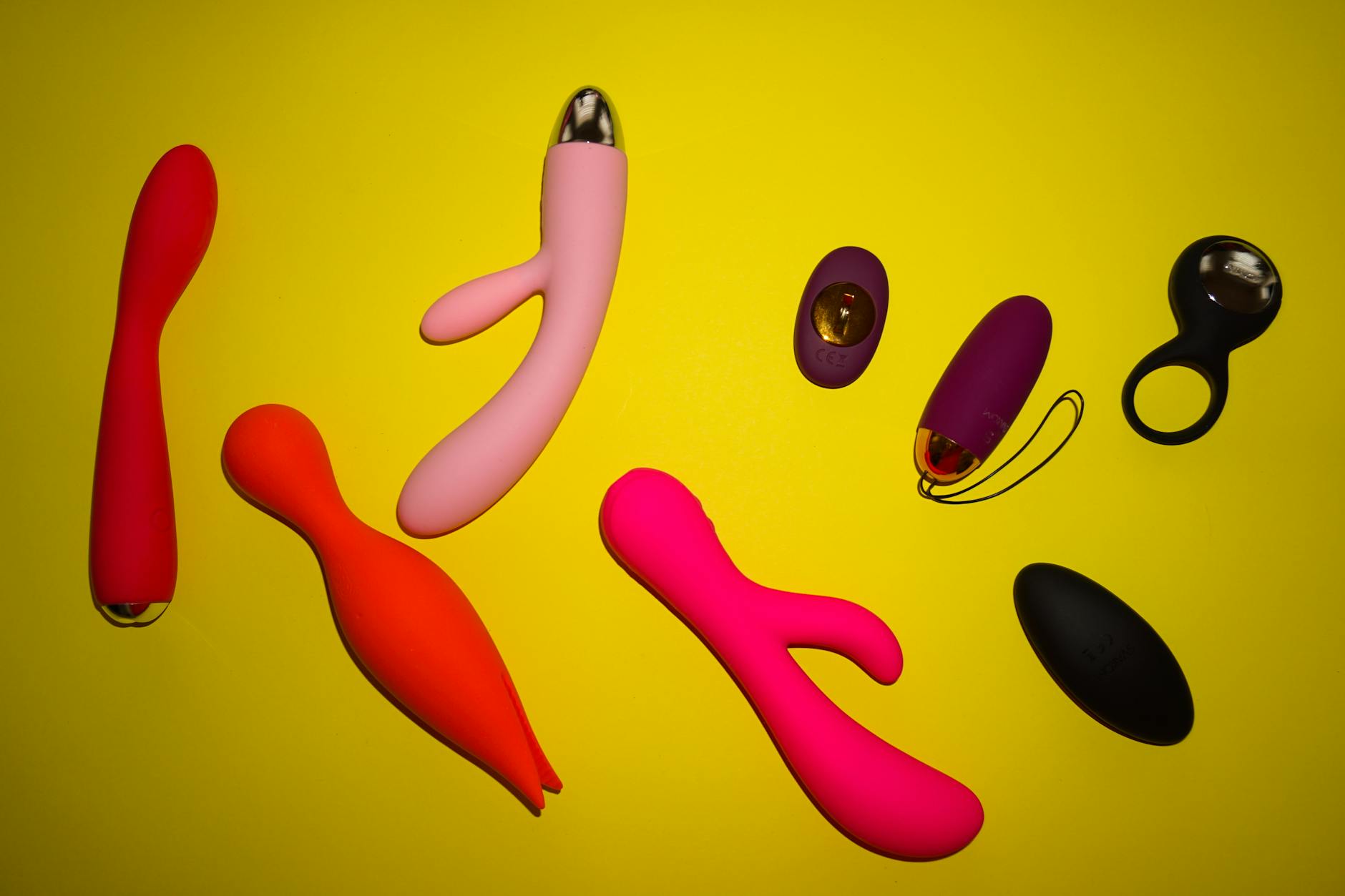
Let's start with what's actually happening
Your sensation didn't disappear. It shifted. There's a real biological difference, and it matters because most of what you've heard about hormonal changes and pleasure is either doom and gloom or irritatingly vague.
Hormones control how your nervous system responds to touch. Estrogen affects nerve sensitivity. Progesterone changes blood flow to your genitals. Testosterone drives baseline desire. When hormones fluctuate, your clitoris doesn't stop working. It just starts speaking a different language. Your lemon vibrators, your preferred settings, even the kind of foreplay that worked last month. All of it might need translation.
What hormonal shifts actually change
Here's the physiology without the medical speak. Your clitoris has thousands of nerve endings, and estrogen regulates how effectively they fire. When estrogen drops, those nerves take longer to activate. Think of it like turning up the volume on an amplifier that's gotten quieter.
Progesterone rises and falls throughout your cycle, and it directly affects blood vessel dilation. Higher progesterone means less blood flow to your genital tissue in some phases. Less blood flow means tissues feel less engorged and less sensitive. Lower progesterone phases feel different entirely.
Testosterone (yes, people with vulvas produce it) fuels spontaneous desire. It also sharpens nerve response. When testosterone dips, you might notice it takes longer to get turned on, and when you do, the sensation feels muted.
The nervous system piece is crucial: hormonal fluctuations don't change your capacity to feel pleasure. They change the speed and intensity at which pleasure registers.
Why your usual settings stopped working
Many people reach for their trusty lemon vibrator at the same setting they used three months ago and feel... nothing. Or worse, it feels too intense and uncomfortable. This is so common it shouldn't surprise you, but it does.
If you're typically using a lemon clitoral vibrator on, say, pattern three, a hormonal dip might mean you need to start at pattern one or two now. This is neither regression nor a sign something is wrong. Your nerve threshold shifted. That's information, not failure.
Some people find that during high-progesterone phases (usually the second half of their cycle), they need longer warm-up time, more foreplay, and lower initial vibration intensity. Then the first half of their cycle hits and suddenly pattern four feels perfect again. You're not broken. You're oscillating, which is exactly what you're supposed to be doing.
For those whose hormones are more stable (like people on hormonal contraception or post-menopause), sensation changes more gradually. But they still happen. Stress hormones like cortisol can blunt sensitivity. Sleep deprivation tanks your testosterone. These compounds add up.
The actual adjustments that work
Here's what I recommend to people dealing with hormonal sensitivity shifts.
Track it first. Not obsessively, but for 2-3 months, notice which patterns on your lemon vibrator feel best at which points in your cycle or life. You'll see the pattern (no pun intended). Some people keep a simple note in their phone: "day 10 of cycle, pattern 2 perfect," "day 22, need pattern 1 only." This takes the guessing out of foreplay.
Lower your starting point. If you used to open with pattern three, start with pattern one now. Work your way up. Your body will tell you when you're ready to increase. This approach prevents overstimulation and lets your nervous system catch up.
Extend your warm-up time. Hormonal fluctuations slow arousal. Instead of five minutes of foreplay, budget fifteen. Use your lemon vibrators on the lowest setting during this phase. Think of it as a longer fuse on the same explosive result.
Experiment with angles. Sometimes a sensitivity shift means direct clitoral contact feels intense or uncomfortable. Try angling your lemon clitoral vibrator slightly so it stimulates the surrounding tissue, the mons pubis, or the sides of the clitoris rather than the tip. You'd be surprised how much difference 15 degrees makes.
Use lubricant even if you don't think you need it. Hormonal shifts often mean natural lubrication changes before you consciously notice lower arousal. A water-based lube ($8-12) transforms an uncomfortable session into a comfortable one. It's not admitting defeat. It's logistics.
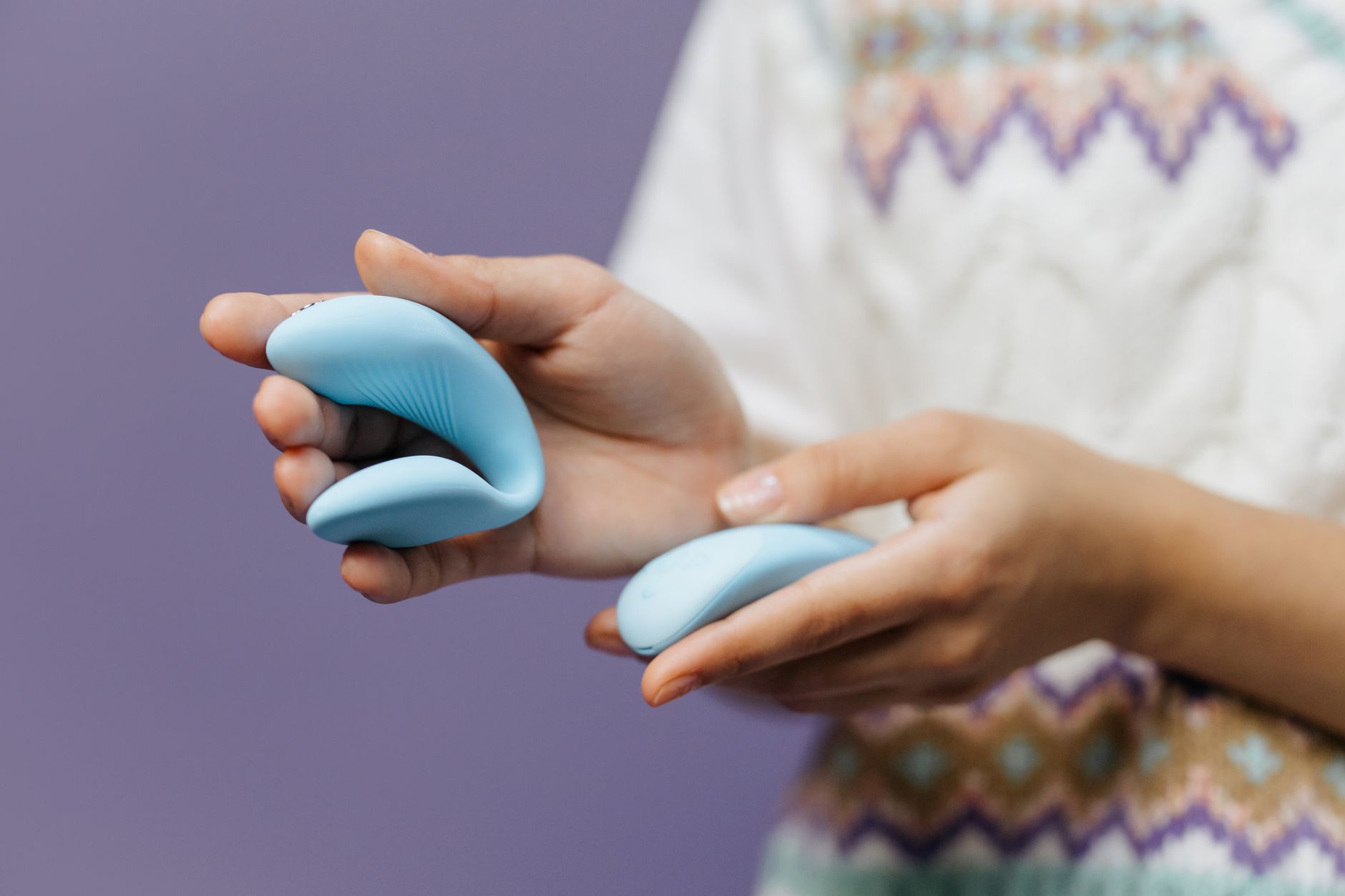
Photo by cottonbro studio on Pexels
The mental side of recalibrating
Hormonal sensitivity changes bring a weird emotional tax. You know your body is supposed to work a certain way. You have favorite settings, favorite fantasies, favorite rhythms. When those stop landing, the first thought isn't usually "my hormones shifted." It's "something's wrong with me."
It's not. Your body is doing exactly what it's supposed to do. Hormones aren't stable. Sensitivity fluctuates. This is normal human physiology, not a malfunction.
If you have a partner, separate the conversation from any larger relationship concerns. "My sensitivity is fluctuating with my hormones, so we might need to adjust what we're doing" is a logistics conversation. "I'm worried this means I'm not attracted to you anymore" is a different conversation entirely, and conflating them tanks both.
When to seek help
Sensitivity shifts are normal. Persistent numbness, where you feel almost nothing even when your hormone levels should be stable, isn't. That's worth discussing with a doctor.
Similarly, if sensation changes come with pain, that's not just hormonal. Pain and pleasure shouldn't live in the same territory. A gynecologist trained in sexual health can rule out nerve issues, tissue changes, or other conditions that mimic hormone-related sensitivity loss but need different treatment.
If hormonal contraception or another medication coincides exactly with your sensitivity drop, don't assume you're stuck. Talk to your prescriber about alternatives. Some formulations affect sensation less than others.
The long view
Your body will keep changing. Hormones will keep fluctuating. Your lemon vibrators will keep working, and sometimes you'll need to adjust the settings. Sometimes you'll need longer warm-up. Sometimes you'll need different angles or less pressure.
This isn't degradation. It's deepening. People who learn to adjust their approach to pleasure as their body changes report more consistent, more satisfying experiences than people who rigidly stick to one method forever.
You're not losing sensitivity. You're learning the new language your body is speaking. Your lemon sexual toys are flexible enough to go with you.
People also ask
How long does it take for hormonal sensitivity to return to baseline?
It depends entirely on what caused the shift. If it's a cycle-related fluctuation, you might notice changes shift back within 7-14 days as you move through your hormonal phases. If it's medication-related, it can take 6-8 weeks for your body to adjust. If it's related to a sustained hormonal change like menopause or a new contraceptive method, the new "baseline" might be permanent, which just means you're adapting to your new normal rather than waiting to return to your old one.
Can I use lemon vibrators the same way if I switch birth control methods?
You might need to recalibrate. Different hormonal contraceptives deliver different hormone doses and combinations. Switching from a high-dose pill to an IUD, or from a pill to an implant, can change your sensation profile. Give yourself 2-3 months to notice what feels different, then adjust your lemon clitoral vibrator settings accordingly. This is totally normal and happens to most people when they change methods.
Is it normal for your preferred vibrator pattern to change month to month?
Completely normal. If you menstruate, your sensitivity genuinely fluctuates throughout your cycle. Pattern two might be perfect during your follicular phase and feel too weak during your luteal phase. This isn't inconsistency on your part. It's your hormones doing their job. Tracking what works when helps you stay ahead of the shift rather than frustrated by it.
Should I use lemon vibrators differently if I have PCOS or endometriosis?
These conditions often come with non-standard hormonal profiles and pain patterns. How to Use Lemon Vibrators When You Have Pelvic Pain and Want Pleasure Back covers this more deeply, but the short answer is yes. Work with your body's actual hormonal reality, not the textbook version. Lower intensities, longer warm-ups, and communication with your partner about what feels good right now (not what felt good before diagnosis) make a huge difference.
Can stress hormones actually affect how your clitoral vibrator feels?
Absolutely. Cortisol (your stress hormone) actually suppresses testosterone and can reduce genital blood flow. High stress literally makes it harder to feel sensation. If you're going through a stressful period and your lemon vibrators suddenly feel less effective, it's probably not your lemon vibrators. It's your nervous system being preoccupied. Lower stress plus recalibrated settings usually solves this.
What if hormonal sensitivity changes feel permanent?
Then you're adapting to a new normal, which is totally fine. Post-menopause, post-pregnancy, after long-term hormonal medication, or during sustained medical treatment, your sensation baseline can shift permanently. This isn't loss. It's evolution. The pleasure is still there. The settings might be different. The experience can be just as rich, just on different terms. Learning How to Use Lemon Vibrators for Pleasure When Your Sensitivity Changes With Age helps you make peace with this shift and find what actually works now.
The bottom line
Hormones shift sensation. Sensitivity fluctuates. Your lemon sexual toys stay constant. What changes is your settings, your timing, your approach. This isn't failure. This is you staying in conversation with your own body as it evolves. That conversation is what deep, consistent pleasure actually looks like.
If you want to talk through what's shifting in your specific situation, get in touch. Otherwise, lower your starting pattern, extend your warm-up time, and trust that your body knows what it's doing.