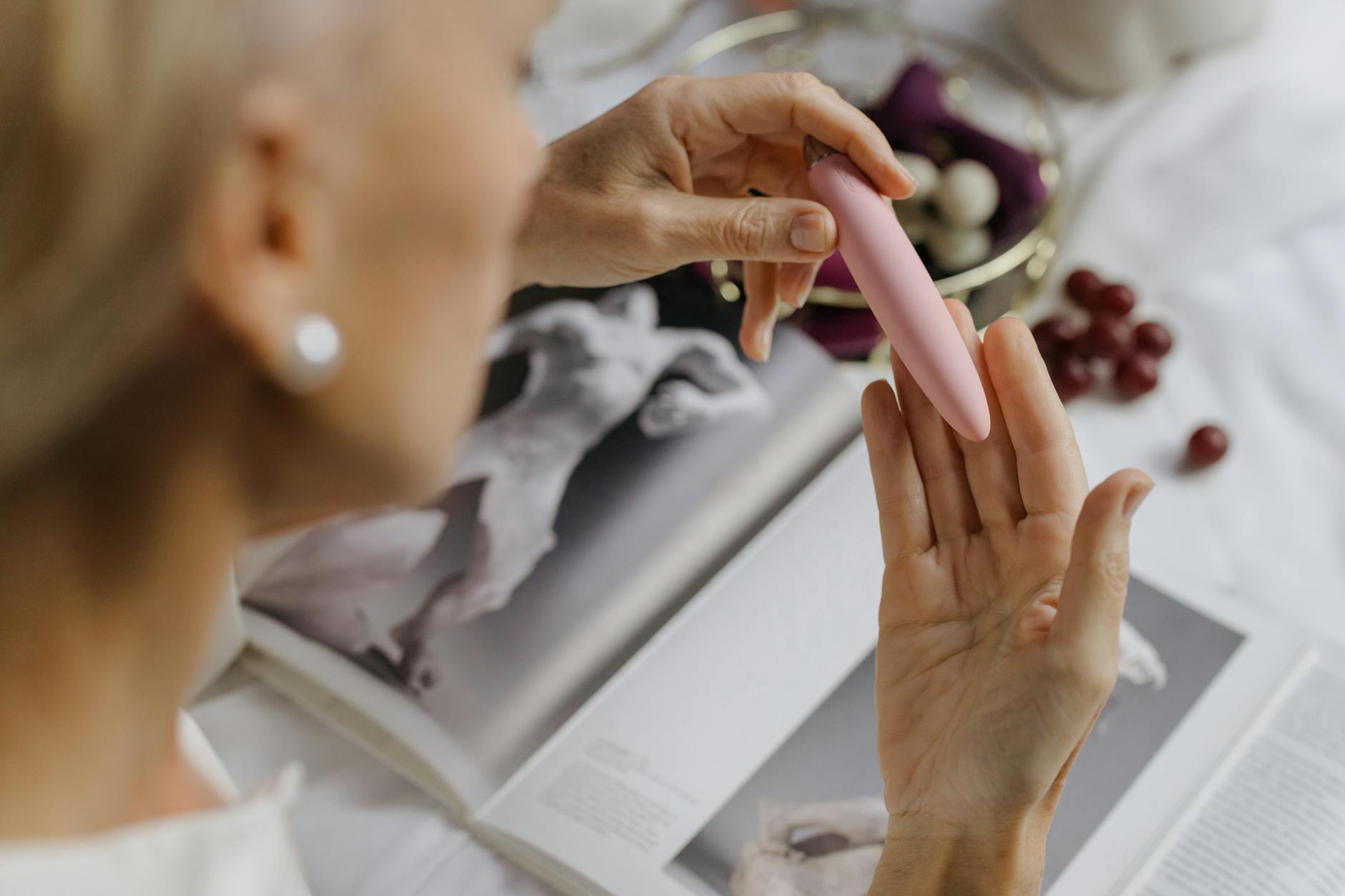
Let's talk about what age actually changes
Here's the thing: pleasure doesn't expire. What changes is the map. Your clitoris stays clitoris-shaped. Your nerve endings don't vanish. But the tissue around them shifts, blood flow changes, hormonal support fluctuates, and recovery time gets longer. That's biology, not destiny.
Most people assume sensitivity loss means they should push harder or use stronger vibrations. Wrong move. That's like turning up the volume when someone has a headache. Lemon sexual toys, particularly air-suction clitoral vibrators like the lemon vibrator, actually work better with age-related sensitivity changes than traditional vibrators because they work through a completely different mechanism.
How sensitivity actually changes with age
There are three physical things happening simultaneously.
First: tissue thickness. Estrogen supports skin plumpness and elasticity. As estrogen drops in your forties, fifties, and beyond, vulvar tissue gets thinner. This isn't a flaw. It's a side effect of a perfectly normal hormonal transition. Thinner tissue is more sensitive to direct pressure, which means the vibration intensity that felt right at thirty can feel abrasive at fifty.
Second: blood flow response. Arousal depends on blood rushing to erectile tissue, plumping it up and increasing sensation. That response takes longer to build with age and sometimes needs more deliberate foreplay to trigger. You're not broken. Your body just has a longer warm-up sequence now.
Third: clitoral positioning. The clitoris itself can retract slightly with age, particularly as pelvic floor support shifts. This doesn't mean it's less sensitive. It often means direct, high-intensity vibration becomes less precise. You need a tool that works with this geometry, not against it.
Why lemon vibrators feel different than traditional vibrators
Traditional vibrators, even good ones, work by repetitive oscillation. Your tissue absorbs that vibration directly. It's mechanical. At lower hormonal support, that can feel numb or even sore after a few minutes.
Lemon clitoral vibrators use air-suction technology. Instead of vibration, they create rhythmic suction and release. This stimulates a wider nerve cluster without the point-pressure of traditional vibration. Here's the critical part: air-suction works beautifully on thinner tissue because it doesn't rely on direct pressure. It's almost like a very gentle pulling sensation rather than a buzzing one.
I've had countless clients in their fifties and sixties switch from traditional vibrators to lemon vibrators and report that sensation actually increased, not because the toy is stronger, but because the mechanism matches their body better. The lemon vibrator and other lemon sexual toys work with anatomy that's changed, not against it.
The physical adjustments that matter most
Four tactical changes make a massive difference.
Extend your warm-up. Budget twenty to thirty minutes before using your lemon clitoral vibrator. This isn't optional. Arousal in your fifties and beyond needs time to build. Use fingers, use a partner, use a wand vibrator on lower settings first. Get blood flowing to the area. Then introduce the lemon vibrator once tissue is already partially engorged.
Start with lower suction levels. The lemon vibrator has multiple intensity settings. Most people over forty should start at level one or two, not three or four. You can always increase it. You can't un-numb yourself if you've overstimulated.
Use lubrication generously. Water-based lube isn't just for comfort. It reduces friction and helps the suction mechanism work more smoothly. Thinner tissue benefits enormously from this. Reapply every five to ten minutes.
Vary your approach. Use the lemon vibrator at different angles. Hover it rather than pressing directly. Pulse it instead of keeping it constant. This variation prevents habituation and also prevents the localized numbness that can happen with point-pressure from traditional toys.
When hormones are actively changing
If you're in perimenopause or early menopause, your sensitivity can fluctuate wildly month to month. Some days your usual lemon clitoral vibrator feels perfect. Other days nothing works.
This is normal. It's not a sign to abandon pleasure. It's a sign to have multiple tools available and to pay attention to where your body is on any given day. Some clients keep their lemon vibrators at different intensity settings or use them alongside a less intense tool.
Speaking with a menopause-informed GP or gynecologist is worth it if this is actively frustrating. Topical vaginal estrogen is available and can dramatically shift how tissue responds to stimulation, including how well lemon vibrators work. This isn't about chasing youth. It's about having options.
The pelvic floor piece nobody mentions
Your pelvic floor muscles tighten as estrogen drops. This is partly protective, partly just what happens. A tighter pelvic floor can actually make sensation feel muted because the muscles are gripping instead of relaxing.
Before using a lemon vibrator, spend a minute intentionally relaxing your pelvic floor. Breathe deeply. On the exhale, imagine the muscles below loosening. Do this a few times. Your lemon sexual toys will feel more intense and more pleasurable when your pelvic floor isn't braced.
This matters more than vibrator choice. I've seen people get dramatically better results by addressing pelvic floor tension than by upgrading their toy.
The mental piece
Age brings weird stories. "This shouldn't feel different." "I should still orgasm the way I used to." "My body's changing, so I'm probably done with this."
All of that is junk. Your body is still your body. It's just in a different season. The lemon vibrator or any clitoral vibrator isn't a replacement for lost sensation. It's a tool that matches current sensation. The pleasure isn't diminished. It's redirected.
Many people report that their most intense, most satisfying orgasms come after forty or fifty because they've stopped performing and started exploring. They know their body better. They're less distracted by external judgment. Lemon sexual toys are just the vehicle for that exploration, not a fix for something broken.
When to get professional support
If penetration is painful when it wasn't before, that's genitourinary syndrome of menopause (GSM) and it's treatable. See a menopause-trained doctor.
If you've completely lost desire and you've given yourself three months to adjust, that's worth discussing with someone who specializes in menopause. Testosterone therapy is an option in some countries and can be transformative.
If you're using a lemon vibrator correctly and you're feeling nothing at all, you might have nerve damage from previous trauma or from certain medications. A pelvic floor physical therapist can help diagnose and often improve sensation significantly.
Otherwise, give yourself grace. Your body is adapting. Lemon clitoral vibrators adapt with it. The pleasure is still there. You just might need to find it in a different way.
FAQ: Sensitivity changes with age and lemon vibrators
Why does sensation feel different in my forties and fifties compared to my twenties?
Estrogen supports tissue thickness, blood vessel dilation, and clitoral positioning. As estrogen naturally declines with age, tissue becomes thinner, blood flow takes longer to respond, and the clitoris can retract slightly. This changes how stimulation feels, but it doesn't eliminate sensation. Many people find that with the right tools, like lemon vibrators designed for air-suction rather than direct vibration, pleasure can actually intensify because the mechanism works with the body's current state rather than against it.
Are lemon vibrators better than traditional vibrators for aging bodies?
Not universally, but they're often better. Traditional vibrators work through repetitive oscillation against tissue. With thinner or more sensitive tissue, this can feel numb or even sore. Lemon clitoral vibrators use air-suction, which stimulates a wider nerve network without point-pressure. They're gentler on changing tissue and often feel more intense precisely because they don't rely on direct vibration. If traditional vibrators have stopped working well for you, lemon sexual toys are absolutely worth trying.
How long should warm-up take when sensitivity is changing?
Twenty to thirty minutes minimum. Blood flow to genital tissue takes longer to build as you age, especially if estrogen is lower. This isn't a sign of dysfunction. It's anatomy. Use fingers, a partner, a lower-intensity wand vibrator, or just time and attention before introducing your lemon vibrator. You'll get much better results and actually enjoy the extended foreplay.
Should I use more intense settings on a lemon vibrator if I'm not feeling much?
Not necessarily. Going harder is often the worst response to sensitivity changes. Instead, extend warm-up time, use lubrication more generously, vary angles and pulsing patterns, and work on pelvic floor relaxation. Many people find that these tactical changes increase sensation more effectively than increasing intensity. If you're still getting nothing after trying these, that's a conversation for a menopause specialist or pelvic floor physical therapist, not a reason to switch tools.
Can topical estrogen help with how lemon vibrators feel?
Yes. If you're in menopause and experiencing significant tissue changes, a menopause-trained doctor can prescribe topical vaginal estrogen. This is absorbed minimally into the bloodstream and can dramatically improve tissue thickness and blood flow response within weeks. Many people who didn't feel much with any vibrator, including lemon vibrators, find that sensation returns significantly after starting topical estrogen. This is especially useful if pleasure has become painful or completely numb.
Is decreased sensitivity a sign that I should stop using vibrators altogether?
Not at all. It's a sign that you might need a different type of vibrator or a different approach. How to Use Lemon Vibrators When Switching From Traditional Vibrators covers this transition in detail. Many people find that lemon clitoral vibrators or other air-suction toys actually make pleasure more accessible as sensitivity changes, not less. The key is matching the tool to your body's current state, not forcing your body to match the tool.
The bottom line
Age changes sensation. It doesn't end it. Lemon sexual toys, especially lemon vibrators with air-suction technology, often work better with aging bodies than the toys that worked at thirty because they don't rely on direct vibration intensity. Your pleasure isn't diminished. It's in a different place, and that's actually often richer. Pay attention to your body, give yourself time, and find the tools that match where you are now.