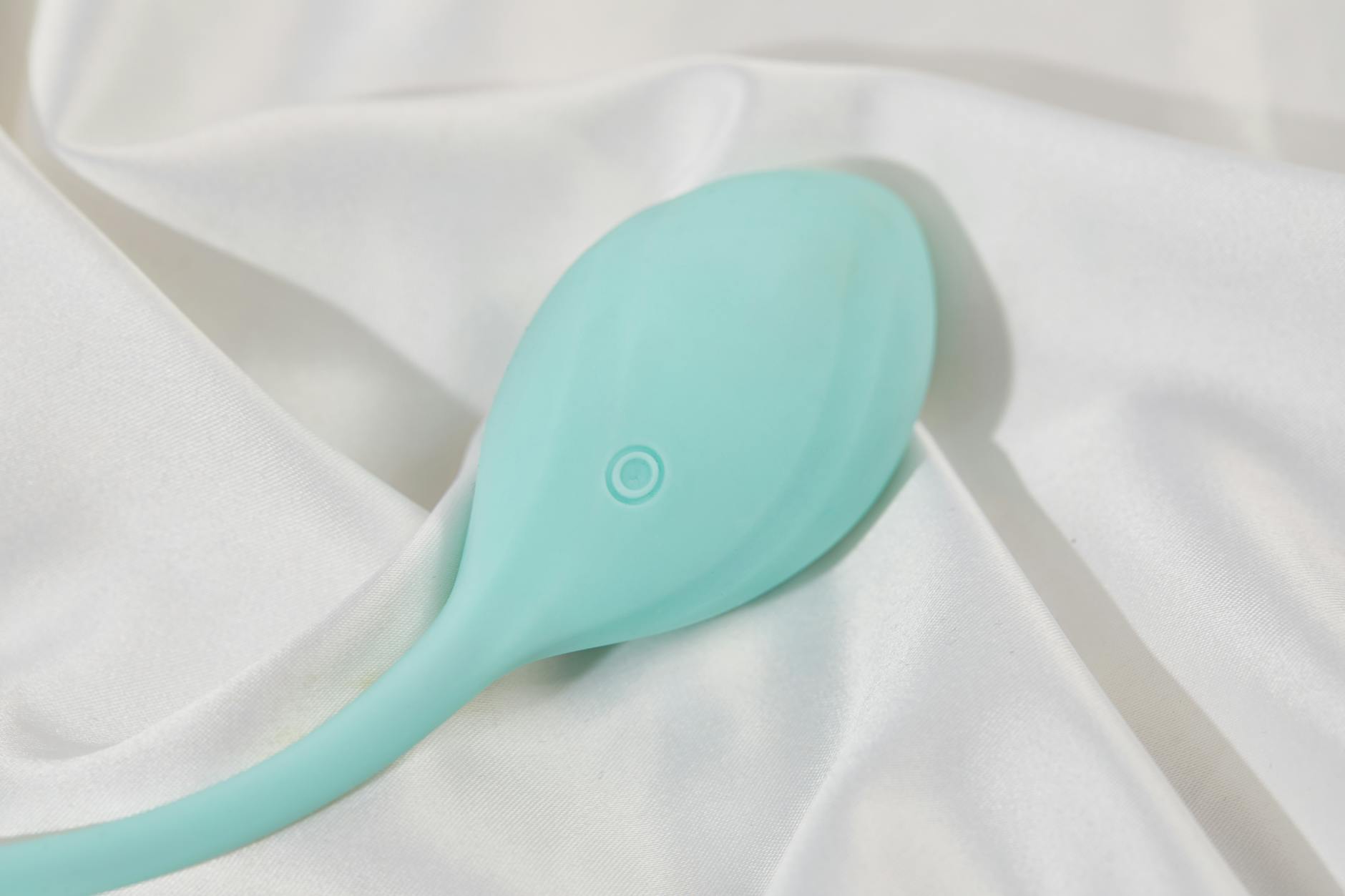
How to Get the Most Sensation From Lemon Vibrators If You Have Low Libido
Let's be real. Low libido doesn't mean you're broken. It means something in your system is offline. And here's what almost nobody talks about: desire and sensation are not the same thing.
You can have zero interest in sex and still experience intense pleasure when the right stimulation hits. This is especially true with lemon vibrators, which work through a completely different mechanism than traditional vibrators. They use air-pulse suction rather than vibration, which means they're activating your nervous system in a way that doesn't require you to feel "in the mood" first.
If low libido has you thinking your pleasure is gone for good, this is what you need to know.
The gap between desire and sensation
Desire is a cocktail of hormones, psychology, safety, anticipation, and about fifteen other things firing at once. Sensation is simpler. Your clitoris has thousands of nerve endings. They don't care if you want sex. They care if they're being stimulated in a way that registers as pleasurable.
This distinction matters wildly when libido is low. Many people assume that if they're not craving sex, they won't be able to feel pleasure during it. That's not how the nervous system works. A skilled lemon sucker can trigger arousal that builds afterward, not before.
I've worked with countless clients who hit low-libido periods. Stress, hormonal shifts, medication side effects, relationship tension, burnout. The cascade is always the same. Desire drops first. Then anxiety about the desire loss builds. Then touching becomes fraught. Then sensation actually does diminish because the nervous system is in fight-or-flight instead of rest-and-digest.
The way out isn't willpower or more foreplay. It's removing the demand to feel like you're supposed to feel.
Why lemon vibrators work better when libido is flat
Traditional vibrators rely on repetitive stimulation and friction. They feel good when you're already aroused, because arousal primes the tissue to be sensitive. When libido is low and arousal is slow to build, a standard vibrator can feel too intense, too numb, or weirdly frustrating. You're fighting against your own nervous system.
Lemon clitoral vibrators use air-suction technology instead. This creates a gentle, building sensation that feels less like "pressure" and more like "possibility." The suction pulses stimulate the full body of the clitoris, not just the surface. For people with flat desire, this often feels less aggressive and more inviting.
The rhythm also matters. Instead of the monotonous buzz of a standard toy, lemon vibrators offer varied patterns. When desire is low, the novelty of a changing rhythm can register as interesting instead of obligatory. Your brain hasn't had time to tune it out.
Another reason lemon vibrators outperform in low-libido situations: they engage a wider range of nerve endings. This means you can find pleasure even if your usual sensitive spots aren't firing on all cylinders. You're not depending on one pathway to arousal. You're waking up multiple systems at once.
Setting the nervous system up for sensation
Before you even touch a lemon vibrator, your nervous system needs permission to downshift. This is not about mood music or scented candles. This is about removing the pressure to feel a certain way.
Three practical steps:
1. Separate desire from permission. Tell yourself: "I'm exploring sensation tonight, not hunting for arousal." This sounds small. It's not. The moment you release the goal of "getting turned on," your nervous system exhales. The sympathetic brake releases. Blood actually flows to your genitals instead of staying concentrated in your brain where it's stuck in anxiety.
2. Choose a time when you're least depleted. Not the end of the day when you're wiped out. Not during a high-stress work period. Not when you've got mental load screaming. Low libido often lives in exhaustion. You're trying to add pleasure to an already-overloaded system. Pick a window where you have some energy left over. Even 30 minutes of relative calm makes a difference.
3. Build a small ritual without pressure. Light a candle if that helps. Or don't. Wear something that feels good on your skin. Lock the door. Put your phone in another room. The ritual isn't about being sexy. It's about telling your nervous system: "This time is protected. This is for me. Nothing else needs my attention right now."
When your nervous system believes it's safe and there's no demand attached, sensation becomes possible.
How to use lemon toys when desire is low
Your approach matters more than the tool. Here's the actual technique:
Start with the lowest setting. I don't mean the lowest before you turn it off. I mean pattern 1 or 2. Your nervous system is probably in a low-sensitivity state. Jumping to medium or high feels overwhelming. Low intensity feels weird at first. Stick with it.
Spend 5-10 minutes just noticing what you feel. Not trying to build to anything. Not checking in with yourself about whether you're "getting there." Just sensation. Is it warm? Tingly? Numb? Interesting? All of those responses are data. Your nervous system is waking up.
After 10 minutes, you can experiment with changing the pattern or increasing intensity slightly. But only if it's genuinely calling to you, not because you think you should. The moment you add "should" back in, you've re-engaged the pressure and the whole system contracts again.
Many people find that around the 15-20 minute mark, arousal begins building. Not because they forced it. Because their nervous system had permission to settle into pleasure instead of perform toward it. This is often more intense than expected because it's not filtered through anxiety.
The patience part (and why it matters)
Low libido usually didn't show up overnight. It developed gradually as a response to stress, hormonal change, medication, relationship friction, or simple burnout. Sensation won't roar back immediately either.
Think of this as nervous system recovery, not instant gratification. After one session with a lemon vibrator, you might feel 20% more awake than you did before. That's a win. After five or six sessions, you might notice desire starting to flex again. Not full appetite. Just a whisper of interest.
This timeline is slow on purpose. Rushing sensation rebuilding creates the same pressure that flattened desire in the first place.
One thing I've noticed with clients: the moment they stop trying to force arousal and instead start exploring sensation as its own thing, the nervous system relaxes. And relaxation is where desire actually lives. You can't manufacture it. You can only create conditions where it wants to return.
When low libido signals something bigger
If your libido has been flat for more than a few months and nothing is shifting, it's worth talking to someone. A doctor if there's a medication angle. A therapist if there's a relationship issue or untreated anxiety underneath. Sometimes a sex therapist if the issue is specifically around arousal response.
Low libido can be a symptom of depression, thyroid dysfunction, hormonal imbalance, or chronic stress. It can also signal that something in your relationship or life needs attention. A lemon vibrator is a brilliant tool for rebuilding sensation when desire is dormant, but it's not a substitute for addressing what flattened the desire in the first place.
If you've had the conversation with yourself and you know this is situational, temporary, or just a normal fluctuation? Then yes, exploring sensation with a lemon clitoral vibrator while you give your nervous system time to recover is exactly the right move.
People also ask
Can you have an orgasm if your libido is low?
Yes, absolutely. Orgasm doesn't require desire. It requires stimulation and a nervous system that's calm enough to respond to it. In fact, many people find that they can reach orgasm more easily through air-suction technology like a lemon vibrator than through traditional vibrators, especially during low-libido periods. The sensation pathway activates independently of the desire pathway.
How long does it take to feel sensation again with a lemon sucker if desire is flat?
That varies wildly. Some people feel a noticeable shift in sensation after the first session. Others need five or six sessions before they notice arousal responding. The timeline depends on what caused the low libido in the first place. If it's situational stress, sensation often returns faster. If it's hormonal or related to medication, it may take longer. Consistency matters more than speed. Using your lemon vibrator weekly, even for 15 minutes, builds nervous system recovery better than occasional intense sessions.
Should I tell my partner I'm using a lemon vibrator if my libido is low?
That depends on your relationship and what you want that conversation to do. If you're telling them so they understand you're actively working on desire rebuilding, yes. If you're telling them because you feel guilty or obligated, sit with that first. Using a lemon clitoral vibrator for sensation exploration while your nervous system recovers is self-care, not betrayal. But most couples benefit from a low-pressure conversation about this. Something like: "My desire has been flat, and I'm exploring ways to reconnect with sensation. I'd appreciate your patience as I work through this." Read more about this in our guide on how to use lemon vibrators with a partner.
Can medication be causing low libido, and will a lemon vibrator help?
Many medications tank libido. SSRIs are notorious for this. So are some blood pressure meds, antihistamines, and hormonal birth control. A lemon vibrator can absolutely help you maintain sensation and rebuild arousal response while you're on medication. It won't fix the underlying medication effect, but it can prevent sensation from completely disappearing. If the side effect is severe, talk to your doctor about switching medications or adjusting dose. But in the meantime, your nervous system benefits from the stimulation.
Is it normal to feel numb when using a lemon vibrator if libido is low?
Completely normal. When your nervous system is contracted from stress or low desire, sensation can feel muted. The clitoral tissue might feel less sensitive. The sensation itself might feel distant or weird. This usually passes after 10-15 minutes as your nervous system softens. If numbness persists across multiple sessions, read about rebuilding sensation after desensitization. The good news is lemon vibrators activate a broader range of nerve endings than traditional toys, so you're more likely to find sensation even in a numb state.
Does low libido mean something is wrong with my relationship?
Not necessarily. Low libido has many causes. Stress, burnout, sleep deprivation, hormonal shifts, medication, health issues. Sometimes it's relationship friction. Sometimes it's not. The best approach is to separate the two conversations. Address the low libido itself (with a doctor, therapist, or through nervous system recovery like we're talking about here). Then, separately, check in with your relationship. Is there actual friction? Or is the friction just anxiety about the libido being low? Those require different solutions. Rebuilding sensation through tools like lemon vibrators addresses the first part. Couples therapy addresses the second if needed.
You don't have to wait for desire to come back
One of the kindest things you can do for yourself when libido is low is stop treating sensation as a hostage of desire. They're connected, but they're not the same. Your body is capable of pleasure right now, in this moment, regardless of whether you're "in the mood."
Lemon clitoral vibrators are built for this exact situation. They work through gentle suction rather than aggressive vibration. They invite sensation instead of demanding arousal. They give your nervous system time to wake up without pressure.
Your pleasure matters. Even when you're not actively craving it. Especially then.