The Gap After Conflict
Here's what happens in your nervous system after a fight. Your body gets stuck in a defensive posture. Your partner's touch feels cautious or unwanted. Sex sounds impossible, not because desire is gone, but because the body hasn't downshifted from alert mode yet. You're both waiting for someone to move first, and that wait can stretch for days.
This is where most couples get stuck. The emotional conversation happens. You agree to try harder. Then you sit next to each other on the couch and... nothing. Because tension doesn't live in your head. It lives in your pelvic floor, your shoulders, your breath. Until you discharge it from your body, reconnection stays theoretical.
That's what I've watched happen in session after session. And it's also what I've watched shift when couples introduce touch that feels separate from sex or obligation. Touch that's just about sensation again. Lemon clitoral vibrators, with their specific kind of stimulation, have become one of the most effective reset tools I recommend for couples rebuilding physical intimacy after distance or conflict.
Why Physical Reconnection Matters More Than You Think
After conflict, we tend to believe the emotional work comes first. Apology, conversation, understanding. Then sex happens later when things feel better. But that's backwards for your nervous system. Your body heals faster than your mind sometimes.
When you have a positive physical experience together, especially one that's pleasurable and low-pressure, it literally resets your nervous system's threat detection. You're signaling to your body: this person is safe, this touch is good, we're together in something that feels good. That shifts the nervous system out of defensive mode before your brain fully catches up. Then the emotional work lands better because you're not speaking from a place of stored tension.
Lemon vibrators are particular allies in this because they're not traditional penis-in-vagina sex. They don't carry the same performance pressure or the same charged history as the sex you might have had before the conflict. They're a deliberate pivot. A reset button.
How Lemon Clitoral Vibrators Change the Reconnection Conversation
When a couple introduces a lemon vibrator specifically, they're doing a few things simultaneously. First, they're making pleasure a shared project rather than something one person does to another. You're both focused on the person receiving, both invested in whether it feels good. That collaboration rebuilds trust in a very specific way. Second, the vibrator itself becomes a low-pressure intermediary. If touch from your partner still feels tender or charged, the vibrator creates distance. You're not in direct skin contact with the person you're still processing conflict with. It's a gentler on-ramp.
Third, and this matters: lemon vibrators work with clitoral tissue in a way that builds sensation gradually. You don't have to go from zero to full arousal. You can spend 10 or 15 minutes just noticing. Feeling. Getting your nervous system used to pleasure again in the presence of your partner. There's no goal, no orgasm requirement. Just reconnection through sensation.
I often suggest that couples start with one partner using the lemon vibrator on themselves while their partner watches or holds them. No penetration, no pressure, just witnessing. Watching your partner feel good is profoundly reconnective. It says: I'm safe enough to be vulnerable with you. You're safe enough to see me like this.
The Practical Steps to Rebuilding Touch After Tension
If you and your partner want to try this, here's how I recommend approaching it.
Start by talking about it outside the bedroom. Not as a proposal for sex, but as a proposal for reconnection. Say something like: "I want to find a way back to feeling close to you, and I think it might help to do something that's just about pleasure for a while. No pressure. Just reconnecting." The conversation itself is the first step.
Choose a time when you're both reasonably regulated. Not right after a fight, not when either of you is already frustrated. Pick an evening when you can be alone and unhurried. Build in 30 minutes just for this, with no other obligations after.
Start with clothing on. Sit close. Maybe one person uses a lemon vibrator on themselves while the other is simply present. Hold hands. Make eye contact. You're not trying to have sex. You're trying to remember that pleasure is possible together.
The lemon vibrator's stimulation is gentle enough that it won't startle a nervous system that's still on guard. It's consistent, which your brain needs when it's processing conflict. And it creates a sensation that's distinct from everyday touch, which signals to your nervous system: this is a different context, a safe context.
If it feels good, you might move to one partner using the lemon vibrator on the other. But the person receiving should stay in charge. Tell your partner what speed feels good. Whether you want more pressure or less. This negotiation, this communication, is what rebuilds trust.

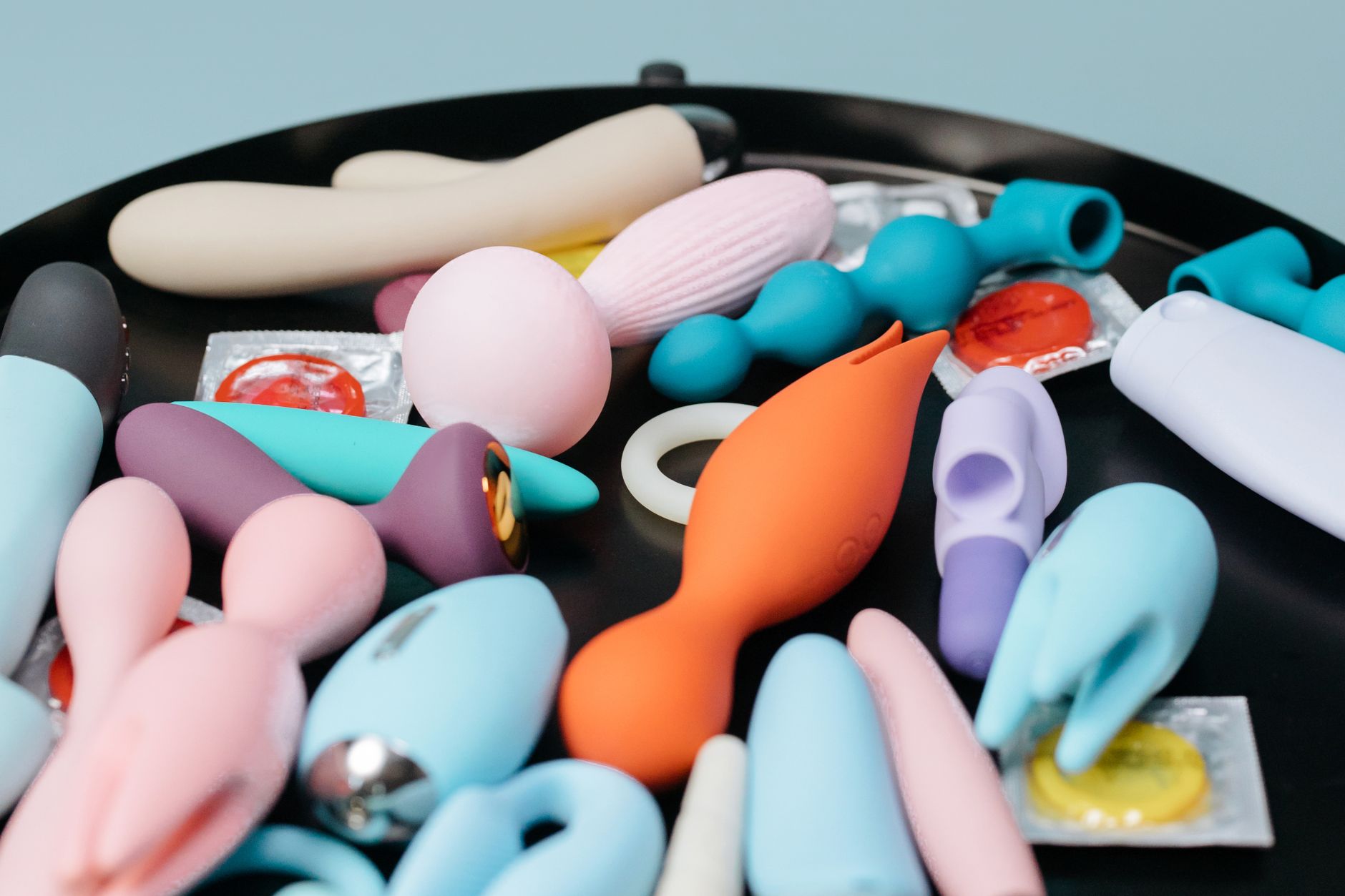
Photo by cottonbro studio on Pexels
Why Lemon Vibrators Specifically Help With Reconnection
Lemon vibrators are different from traditional vibrators because they use suction rather than pure vibration. That distinction matters for reconnection work. Suction stimulation creates a sensation that many people describe as less jarring and more intimate than conventional vibration. It builds arousal gradually, which is what you want when your nervous system has been in defensive mode.
The sensation is also quite specific and localized, which helps your attention stay focused. Instead of your brain spinning through worry or resentment, you're anchored in the physical sensation. For someone trying to reconnect, that focus is everything.
Lemon clitoral vibrators also tend to have multiple intensity settings, which means you can start impossibly low and work up only if and when it feels right. There's no shock to the system. There's no "now I have to be aroused" pressure. Just gentle escalation of sensation.
When to Bring This Up, and When to Wait
Timing matters. If you're still in active conflict, this isn't the moment. You need some basic calm first. Not total resolution. Just enough emotional safety that your partner won't feel blindsided or propositioned.
The sweet spot is usually 3 to 5 days after a significant fight. You've both sat with it. You've probably talked at least once about what happened. There's readiness to move forward, but the reconnection still needs a pathway.
If your partner seems resistant, don't push. Reconnection has to be mutual. What you're offering is a tool, not a solution. Some couples need more time. Some need professional support. Some need to work through the conflict more deeply first. A lemon vibrator isn't a fix for a broken relationship. It's an aid to reconnection when both people want to reconnect.
The Emotional Work Still Matters
I want to be clear: introducing pleasure doesn't replace the harder conversations. You still need to talk about what caused the conflict. You still need to address behavior, expectations, hurt. The lemon vibrator is a complement to that work, not a replacement.
What it does is give your nervous system permission to relax in the presence of your partner again. It reminds your body that you're a team. It creates an experience of safety and pleasure together, which makes the emotional conversations easier. You're coming from a place of reconnection, not just damage control.
After pleasure comes back into your relationship, couples often report that their difficult conversations are less defensive. You're not fighting for safety anymore because you've just experienced it together. You're more able to hear each other.
When to Seek Support
If you're struggling to reconnect even with tools and intention, couples therapy can help. Sometimes conflict runs deeper than one tool can address. Sometimes there are patterns of hurt that need professional attention. There's no shame in that. Getting support is often the fastest way back to intimacy.
If one partner is interested in reconnecting through pleasure and the other isn't, that's also information worth exploring with a therapist. Mismatched desire to reconnect can point to larger relationship questions that deserve attention.
The goal is to get back to a place where touch feels safe and pleasure is possible together. A lemon vibrator can help you get there. So can professional support. Often both.
FAQ
Can we use a lemon vibrator if we're still angry with each other?
Not productively. Your nervous system needs enough calm to relax into pleasure. If anger is still hot, the body won't cooperate. Give yourself a few days after conflict. Let things settle. Then propose reconnection.
What if my partner thinks this is a weird idea?
Many people do at first. Frame it as reconnection, not as a sexual performance. Say something like: "I want to find a way back to feeling close to you without the pressure of traditional sex." Often, people are more open when they understand the reasoning.
Should we have lemon vibrators in the relationship already, or is this something we introduce specifically for reconnection?
Either works. If you already have one, great. If you don't, introducing one specifically as a reconnection tool can feel intentional and meaningful. You're saying: "I'm willing to try something new to get back to you."
How long should a reconnection session last?
Start with 20 to 30 minutes total, including conversation and touch. You're not trying to have sex. You're trying to be present together. Quality matters more than duration.
What if it doesn't work the first time?
Reconnection isn't linear. You might try once and need more time. You might try and feel awkward. That's all normal. The fact that you're trying, that you're willing to be vulnerable, is what matters. Keep showing up.
Is this different from using a lemon vibrator just for solo pleasure?
Completely. Using it together is about shared presence and reconnection. Solo use is about your own pleasure. Both are valuable. They serve different purposes.
The Path Forward
After conflict, couples have a choice. You can let the distance harden into a new normal. Or you can actively rebuild. Reconnecting physically, with intention and care, is one of the fastest ways to signal to your nervous system and your partner's that you're committed to coming back together.
A lemon vibrator won't fix what caused the conflict. But it might help you remember why you chose each other in the first place. And sometimes, that remembering is exactly what you need to do the harder work of moving forward together.
If you want to explore more about rebuilding intimacy after disconnection, our guide to using lemon vibrators with a partner covers communication strategies in more depth. You might also find it helpful to understand why lemon vibrators feel different during different phases, which can inform how pleasure shows up at different times in your cycle and relationship.
Reconnection takes courage. You're both showing up to something that feels vulnerable. That vulnerability is where real intimacy lives.