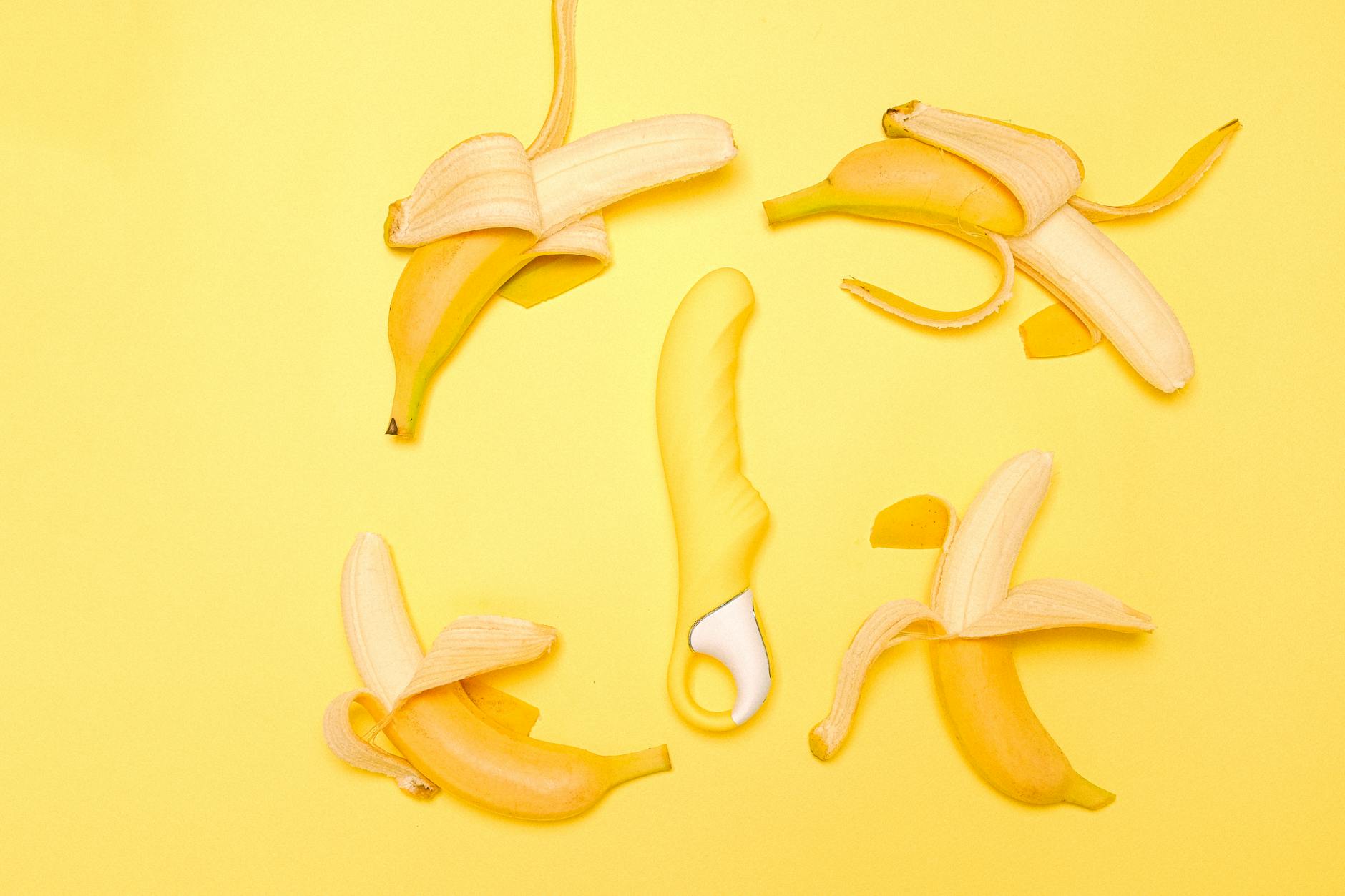
Here's the thing about sensitive clitoral tissue
Not every vibrator works for every body. Some of us have tissue that's tender, reactive, or just wired differently. If you've ever felt overstimulated by a traditional vibrator within minutes, or if you can't quite find the intensity sweet spot, you're not broken. Your nervous system might just be signaling that friction-based stimulation isn't your jam.
That's where lemon vibrators change the game. The air-suction technology behind devices like these hits a completely different biological target than your standard vibrating toy. Instead of rapid back-and-forth friction, you're getting gentle, pulsing suction that stimulates the thousands of nerve endings clustered around the clitoral opening without the wear-and-tear sensation.
What makes lemon vibrators different from traditional vibrators
Most clitoral vibrators work through direct mechanical vibration. A tiny motor oscillates at anywhere from 1,000 to 10,000 Hz per second, creating consistent shaking sensation across the toy's surface. That works beautifully for some people. For others with sensitive tissue, it can feel numbing, overstimulating, or irritating after even a short session.
Lemon clitoral vibrators operate on an entirely different principle. Instead of vibration, they use rhythmic air-suction pulses. Think of it like a gentle, repetitive kiss that creates a light vacuum sensation around the clitoral glans and opening. The suction stimulates nerve clusters without requiring direct, sustained friction against the tissue itself.
This distinction matters physiologically. Your clitoris has roughly 8,000 nerve endings clustered in an area the size of a pea. Traditional vibrators compress and stimulate those nerves through mechanical movement. Air-suction devices activate them through pressure change, which is a gentler neural pathway. The result feels completely different. Many people describe it as more intense sensation with less physical trauma.
Why sensitive tissue responds better to air-suction stimulation
If your clitoral tissue is sensitive, here's what might be happening:
Thin or reactive tissue. Some people's clitoral glans is naturally more delicate, with less protective keratinization (toughened outer layer). Friction-based vibration can feel too direct, like tiny hammering against vulnerable nerves. Suction distributes pressure more evenly, so the sensation is more diffuse and less piercing.
Nerve hypersensitivity. Certain neurological wiring patterns mean some people's nerve responses are simply more easily triggered. You might reach peak sensation in three minutes instead of fifteen. If you're always overshooting your pleasure zone and then needing recovery time, suction's gentler neural activation can help you stay in the sweet spot longer.
Post-inflammatory tissue states. If you've experienced any irritation, infection, or trauma to the area, the tissue can remain hypersensitive for weeks or months after the original issue resolves. Suction-based stimulation doesn't aggravate already-tender areas the way friction does.
Hormonal factors. Your tissue's sensitivity actually shifts with your cycle. During the luteal phase (the two weeks before your period), estrogen and progesterone fluctuate in ways that can make tissue more tender. Lemon vibrators give you a tool that works across these fluctuations without injury risk.
How air-suction reaches the nerve clusters your clitoris actually needs
Here's the anatomy that matters: the clitoris is bigger than you think. What you see externally is the glans and hood. But the clitoral body extends internally, with roots and bulbs that wrap around your vaginal opening. When you stimulate the external part with suction, you're also activating those internal structures.
Traditional vibrators tend to overstimulate the most exposed, sensitive part of the glans. Lemon vibrators, because they work through suction rather than friction, activate the entire clitoral complex more evenly. You're not hammering one spot. You're creating pressure waves that ripple through the whole network.
This is why many people with sensitive tissue report that lemon clitoral vibrators can produce deeper, more full-body orgasms than friction-based devices, even though the sensation itself feels gentler. You're engaging more of the nervous system, just without the mechanical stress.
The practical advantage: variable intensity without texture trauma
Most air-suction lemon vibrators have multiple intensity levels or pulse patterns. This matters for sensitive tissue because you can start extremely gently and build gradually. You're not trapped between "barely any stimulation" and "too intense." The intensity scales in a way that respects your tissue's tolerance.
Contrast that with traditional vibrators, where the jump between setting one and setting two might feel like a huge leap. With lemon sexual toys designed for sensitivity, you get granular control. You can stay at level two for as long as you want, building arousal slowly, without ever feeling like you're tolerating something unpleasant.
Secondly, suction doesn't create the same heat-buildup friction does. With traditional vibrators, your tissue warms from repeated friction. That can feel great, but it can also become uncomfortable if your tissue is already reactive. Suction-based stimulation generates different sensations without generating that heat stress.
How to use lemon vibrators if you have sensitive tissue
Start outside your body. Many people assume you need internal contact for pleasure. With air-suction vibrators, external contact alone often delivers the most intense sensation. Press gently around the clitoral opening, not directly on the glans at first. Let the suction do the work.
Use lubrication strategically. With lemon clitoral vibrators, you don't need the thick, protective layer you might use with friction-based toys. A small amount of water-based lubricant helps the seal for suction to work properly, but you're not coating your tissue in protective barrier. Less is actually more here.
Start at the lowest setting and stay there longer. The temptation with any new toy is to chase intensity quickly. With air-suction, resist that. Spend ten minutes at level one. You'll often find that gentle, sustained suction produces more complete pleasure than rapid intensity ramps.
Pay attention to positioning. Angle matters more with suction-based devices than vibration. Experiment with direct contact at the opening, pulling slightly away, or angling toward the clitoral body. Small shifts in angle create different sensations. You're learning your own anatomy in real-time.
Why sensitivity isn't the same as low desire
Here's something I see in my practice constantly: people assume sensitive clitoral tissue means they have lower desire or capacity for pleasure. It doesn't. Sensitivity and desire are unrelated. You can have the most reactive, sensitive tissue in the world and absolutely explosive desire. The issue was never your want. It was matching your stimulation method to your actual nervous system.
Many of my clients report that switching to lemon vibrators because they have sensitive tissue ends up intensifying their entire experience. They're not fighting their body anymore. They're finally using a tool that matches how they're wired. That psychological shift alone often increases desire, pleasure, and orgasm intensity.
People also ask
Are lemon vibrators safe for very sensitive skin?
Yes. Air-suction lemon vibrators are specifically designed as gentler alternatives to traditional vibrators. They don't create friction-based irritation. That said, if you have an active infection, open wound, or severe pain in the area, hold off on any stimulation and see a healthcare provider. Once you're cleared, lemon clitoral vibrators are among the safest options available.
How is air-suction stimulation different from vibration neurologically?
Vibration triggers nerves through mechanical oscillation. Air-suction activates nerves through pressure change and gentle pulsing. These hit different neural pathways. Some people's nervous systems respond better to one than the other. If traditional vibrators have never worked well for you, it's likely your neurology, not a flaw in your body. Lemon sexual toys activate the same pleasure centers through a different route.
Can you use lemon vibrators if you don't have sensitive tissue?
Absolutely. Air-suction stimulation isn't just for sensitive bodies. People with robust, low-sensitivity tissue often prefer lemon vibrators because they produce different, sometimes more intense sensations than friction alone. They're not a second-choice tool. They're a different tool that suits different preferences.
Do lemon clitoral vibrators work through clothing?
No, you need direct contact for the suction seal to work properly. That said, many people enjoy lemon vibrators during partnered play through light clothing as foreplay, then direct contact during solo or intimate sessions. The seal matters for maximum sensation, but some sensation is possible through fabric.
How long can you safely use a lemon vibrator in one session?
Most people can use air-suction vibrators for twenty to forty minutes without issue. Because there's no friction-based heat or mechanical stress, tissue tolerance is generally high. That said, pay attention to your body. If you feel sore, numb, or irritated, take a break. Pleasure should never involve pushing through discomfort.
What's the difference between a lemon vibrator and other air-suction toys?
Design, power, and form factor vary. Some lemon vibrators are rechargeable, some battery-powered. Some have multiple patterns, others simple intensity levels. What makes a lemon vibrator distinctive is its aesthetic and engineering. The technology is the same air-suction principle, but the device itself is engineered for specific sensations and ease of use.
The bottom line
If you have sensitive clitoral tissue, you've likely spent time thinking you're incompatible with pleasure devices. You're not. You were just using the wrong technology. Lemon vibrators, with their air-suction stimulation, reach the nerve clusters that matter without the friction trauma. They're gentler on your tissue while often delivering more complete sensation. That's not a compromise. That's an upgrade.
Your sensitivity is part of how you're wired. Match your tools to that wiring, and you'll discover pleasure that actually feels good in your body, not something you're tolerating. That changes everything. If you want personalized guidance on finding the right tool for your body, reach out to us at Hello Nancy. We're here to help you find what works.