The friction problem nobody talks about
If your vaginal tissue has gotten thinner — whether from hormonal shifts, medication, or aging — traditional vibrators can feel sharp, uncomfortable, or even painful. The problem isn't the vibration itself. It's the friction.
When tissue thins, the outer layers lose some of their protective cushioning. Direct vibration against delicate skin can feel too raw, especially if you're already dealing with dryness or sensitivity. You're not broken. The tool just doesn't match your body's current state.
That's where air-suction clitoral vibrators like Lemon change the game.
How suction works on thin tissue
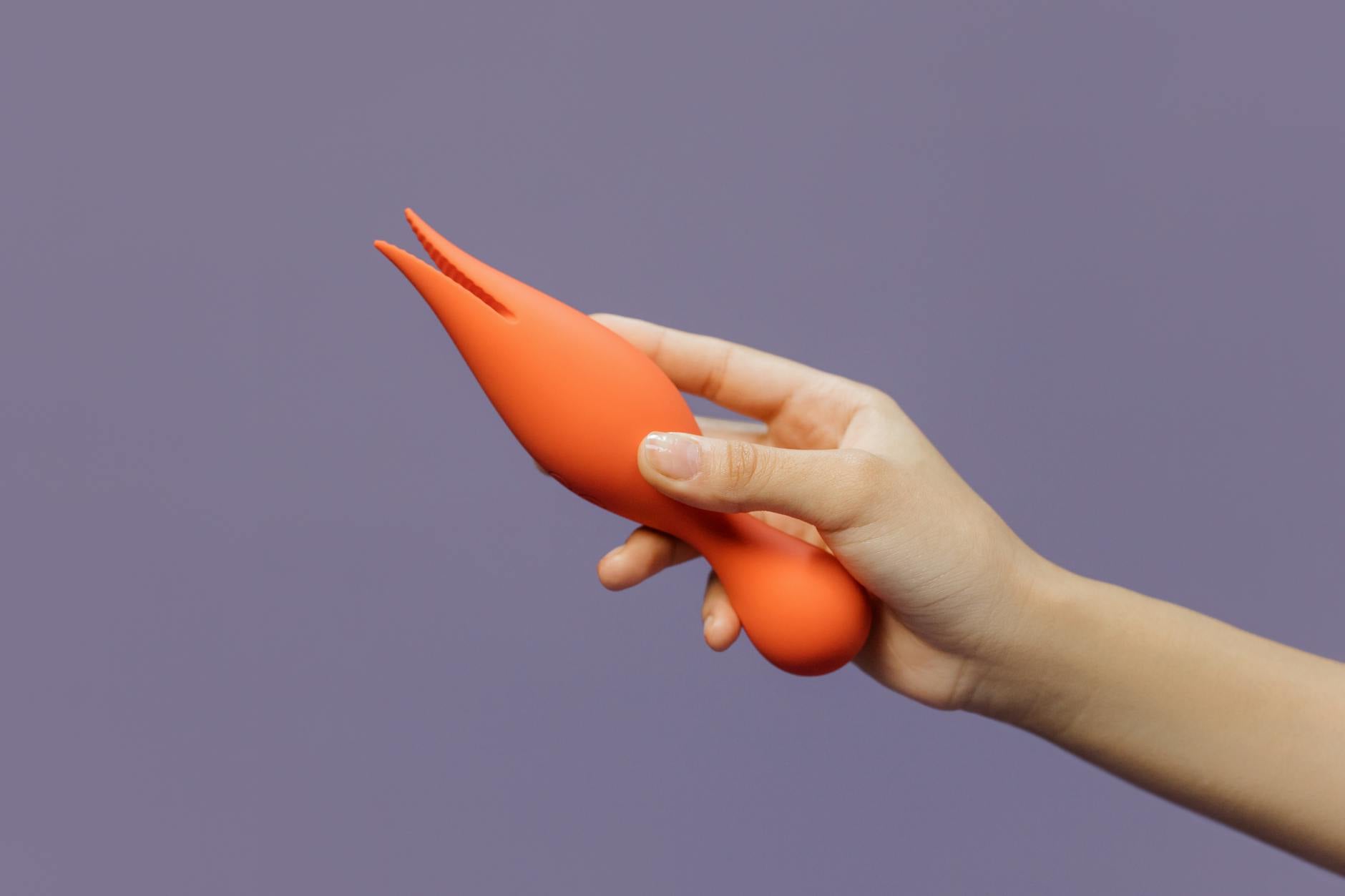
Lemon vibrators use gentle pulsing suction instead of traditional vibration. Rather than moving side-to-side or up-and-down against your skin, suction stimulates the nerve endings in your clitoris by creating a rhythmic pressure change. Think of it like a soft kissing sensation that builds intensity without requiring friction.
Here's the physics part made simple: your clitoris has thousands of nerve endings concentrated in a small area. Traditional vibrators stimulate those nerves through movement against tissue. Suction stimulates them through pressure and release. The difference means you get powerful sensation without the abrasive contact that thin tissue finds uncomfortable.
When tissue is thin, this matters wildly. You're not dragging a vibrating surface across delicate skin. You're creating gentle suction that pulls slightly, then releases, then pulls again. The motion happens around the tissue, not across it.
Why direct vibration feels different on thin tissue
Your vaginal tissue naturally gets thinner in a few common situations.
Menopause and hormonal shifts drop estrogen, which reduces the blood flow and moisture that keep tissue plump and resilient. Birth control can do the same thing. Some medications, including certain antidepressants and antihistamines, dry tissue as a side effect. Breastfeeding temporarily lowers estrogen too.
When tissue thins, the outer layer loses some elasticity. That means a vibrating surface creates more friction relative to the pressure it applies. If you've ever rubbed your skin too hard too quickly, you know the difference between pleasant pressure and uncomfortable abrasion. Thin tissue tips toward abrasion faster.
Suction-based stimulation sidesteps this entirely because it doesn't rely on friction. There's no dragging motion. The sensation builds through pressure change, which delicate tissue tolerates beautifully.
The settings that work best
Lemon vibrators come with multiple intensity levels, and with thin tissue, the entry point matters more than it does for people with naturally thicker tissue.
Start with the gentlest setting. Pattern 1 or 2 on a Lemon clitoral vibrator creates subtle suction that lets your tissue adjust without overwhelming the nerves. Spend 5-10 minutes here before considering anything stronger. Your body needs time to build arousal, especially if sensation has been uncomfortable or muted for a while.
Once you feel the rhythm, you can move to pattern 3 or 4. Most people with thin tissue find that settings 3-5 give the most satisfying sensation without irritation. The sweet spot is usually where you feel the suction clearly without any sharp edge.
If you're coming back to pleasure after avoiding touch because of sensitivity, go slower than you think necessary. There's no prize for jumping to the strongest setting. Pleasure is the goal, not intensity for its own sake.
Lubrication changes everything
Let's be clear: thin tissue benefits from lubrication even though you might think you need less of it. Suction-based toys don't require as much lube as friction toys do, but a water-based lubricant still helps.
Why? Because lube reduces any remaining micro-friction between the toy and your skin, smooths out texture variations in delicate tissue, and honestly just feels better. It's not a crutch. It's a tool that lets sensation be the star instead of discomfort competing for attention.
Apply lube to the toy and to your vulva before you start. Water-based lubes work best because they won't degrade silicone, and they warm up quickly to your body temperature. Silicone-based lubes feel richer and last longer, but they can damage silicone toys, so stick with water-based if you're using a Lemon vibrator.
Reapply if sensation starts to feel dry midway through. There's no shame in that. Thin tissue dries faster, and your comfort is non-negotiable.
The arousal timeline lengthens
If your tissue has thinned, your arousal timeline probably has too. That's not a problem. It's just a different rhythm.
Estrogen supports blood flow to the genitals and sensitivity in nerve endings. When estrogen drops, arousal takes longer to build. Where you might have felt ready in five minutes before, you might need fifteen or twenty now. This is completely normal and doesn't mean anything is wrong with your desire or capacity for pleasure.
Budget extra time for warm-up. Touch your whole body, not just your genitals. Engage with whatever turns you on mentally. Read something sexy, listen to an audio story, think about a fantasy. Let your mind catch up to the fact that you're about to feel good.
Then start with your Lemon on the gentlest setting. The suction-based stimulation builds sensation gradually, which actually works beautifully with a slower arousal timeline. You're not fighting biology. You're working with your current body.
Thin tissue plus partnered sex
If you're having sex with a partner, Lemon vibrators slot into that experience differently than they might have before your tissue changed.
You can use your vibrator during penetrative sex for additional clitoral stimulation. The suction design means it won't create uncomfortable friction between the toy and your partner's body or the toy and your own tissue. Start on a lower intensity setting and increase only if it feels good.
Alternatively, you and your partner can use it during foreplay to build your arousal before penetration. This takes pressure off both of you to "perform" and gives you a chance to get fully ready for sex. There's nothing weak about needing more time or additional stimulation. It's just how your body works now.
If your partner has felt hesitant about toys in the past, thin tissue can actually be a conversation starter. "My tissue has changed, and this tool helps me feel good again" is straightforward and keeps the focus on your pleasure, not on insecurity.
Comparing to other toys when tissue is thin
Traditional bullet vibrators move side-to-side quickly. That works beautifully for some bodies, but for thin tissue, the sustained friction can feel raw.
Wand vibrators create broad, flat contact and usually a lot of vibration. Again, great for some bodies. For thin tissue, the wide contact area can create pressure that feels uncomfortable or tiring.
Air-suction toys like Lemon create pulsing pressure change in a concentrated area without requiring friction. For thin tissue, this is the sweet spot. You get powerful sensation exactly where you want it, without the abrasion that makes pleasure feel like work.
None of these are objectively "better." They're just designed for different bodies and different preferences. If thin tissue is your reality, suction-based stimulation is your ally.
When to see a doctor
If sensation is painful (not just uncomfortable), or if penetration causes sharp pain that doesn't improve with lube and time, check in with a gynecologist or menopause specialist. Genitourinary syndrome of menopause (GSM) is real, treatable, and worth addressing.
Topical estrogen creams work directly on tissue and can significantly improve thickness and elasticity in weeks. The systemic absorption is minimal, so they're safe even if you're not a candidate for hormone therapy.
If you're on medication that's causing tissue changes and it's affecting your quality of life, talk to your prescribing doctor. Sometimes switching to a different medication in the same class helps. Sometimes adding a vaginal moisturizer is enough. The point is, you don't have to accept pain or lost pleasure as inevitable.
The bigger picture
Thin tissue isn't a personal failure. It's not something you caused, and it's not a sign that your body is broken. It's a physiological response to hormonal changes, medication, or life stage. And it's wildly common.
What matters is that you have tools and information to keep pleasure alive in your body, regardless of how that body changes. Lemon vibrators are designed with this exact reality in mind. Suction-based stimulation is gentler on delicate tissue while still being intensely satisfying.
Your pleasure matters. Your comfort matters. And you deserve tools that respect both.
People also ask
Can I use a suction vibrator if I have very thin vaginal tissue?
Yes, absolutely. In fact, suction-based vibrators like Lemon are often easier on thin tissue than traditional vibrators because they create sensation through pressure change rather than friction. Start on the lowest setting and increase gradually. If you experience pain rather than just newness or sensitivity, talk to your doctor.
How much lubrication do I need with a Lemon clitoral vibrator if my tissue is thin?
You'll typically need less lube with suction toys than with friction-based vibrators, but water-based lube still helps. It reduces micro-friction, smooths texture variations, and feels better. Reapply if sensation starts to feel dry during use. Think of it as comfort support, not a sign that something is wrong.
Does arousal take longer when vaginal tissue is thin?
Yes. Thinner tissue usually means lower blood flow to the genitals, which extends the time it takes to become fully aroused. This is normal and doesn't reflect your desire or capacity for pleasure. Budget 15-20 minutes for warm-up instead of 5-10. Your brain's arousal matters as much as your body's, so engage mentally with whatever turns you on.
What if suction vibration still feels uncomfortable on thin tissue?
Try starting on pattern 1 with additional lube and more extended warm-up time. If discomfort persists, it might signal an underlying issue like GSM (genitourinary syndrome of menopause) that benefits from topical estrogen treatment. See a menopause-trained gynecologist. Addressing the tissue change directly sometimes makes all pleasure tools feel better.
Can I use my Lemon vibrator during sex if I have thin tissue?
Yes. You can use it during foreplay to build arousal before penetration, or during penetrative sex for additional clitoral stimulation. The suction design won't create uncomfortable friction. Start on a lower intensity and increase only if it feels good. This works beautifully whether you're with a partner or solo.
Is thin vaginal tissue permanent?
Not necessarily. If tissue thinning is from hormonal shifts, topical estrogen or systemic hormone therapy can improve tissue thickness over weeks to months. If it's from medication side effects, switching medications or adding a vaginal moisturizer might help. If it's age-related, moisturizers, regular sexual activity, and suction-based toys help maintain sensation and comfort long-term. Talk to your doctor about your specific situation.
Final word
Your body changes. That's not a setback. That's information. When you have thin vaginal tissue, a tool like a Lemon vibrator adjusts with you because suction-based stimulation works with your body's current state, not against it.
You don't need to accept discomfort or lost pleasure as part of life. You need the right information and the right tools. If you're curious about how Lemon vibrators might work for your body, reach out to our team with any questions.