The guilt is normal. So is the excitement.
Divorce ends a marriage, but it doesn't end your body's right to pleasure. Yet here's what I hear from so many of my clients in the months after separation: a weird soup of relief, shame, curiosity, and paralyzing guilt. Some of that guilt is real (you're grieving). Some of it is inherited messaging (pleasure is selfish, sex is for partnership). Most of it dissolves the moment you give yourself permission to explore on your own terms.
Starting over with pleasure after divorce is not frivolous. It's foundational recovery. Your body is asking you to remember that it can feel good, that sensation isn't tied to someone else's approval, and that you deserve attention from the one person who'll be with you for the rest of your life: yourself.
Why this moment matters more than you think
Divorce is a reset button. After years of sex tied to obligation, routine, resentment, or even worse things, your nervous system needs to relearn that pleasure can be uncomplicated. It can be yours alone. It can happen without negotiation, without checking in, without the weight of someone else's needs.
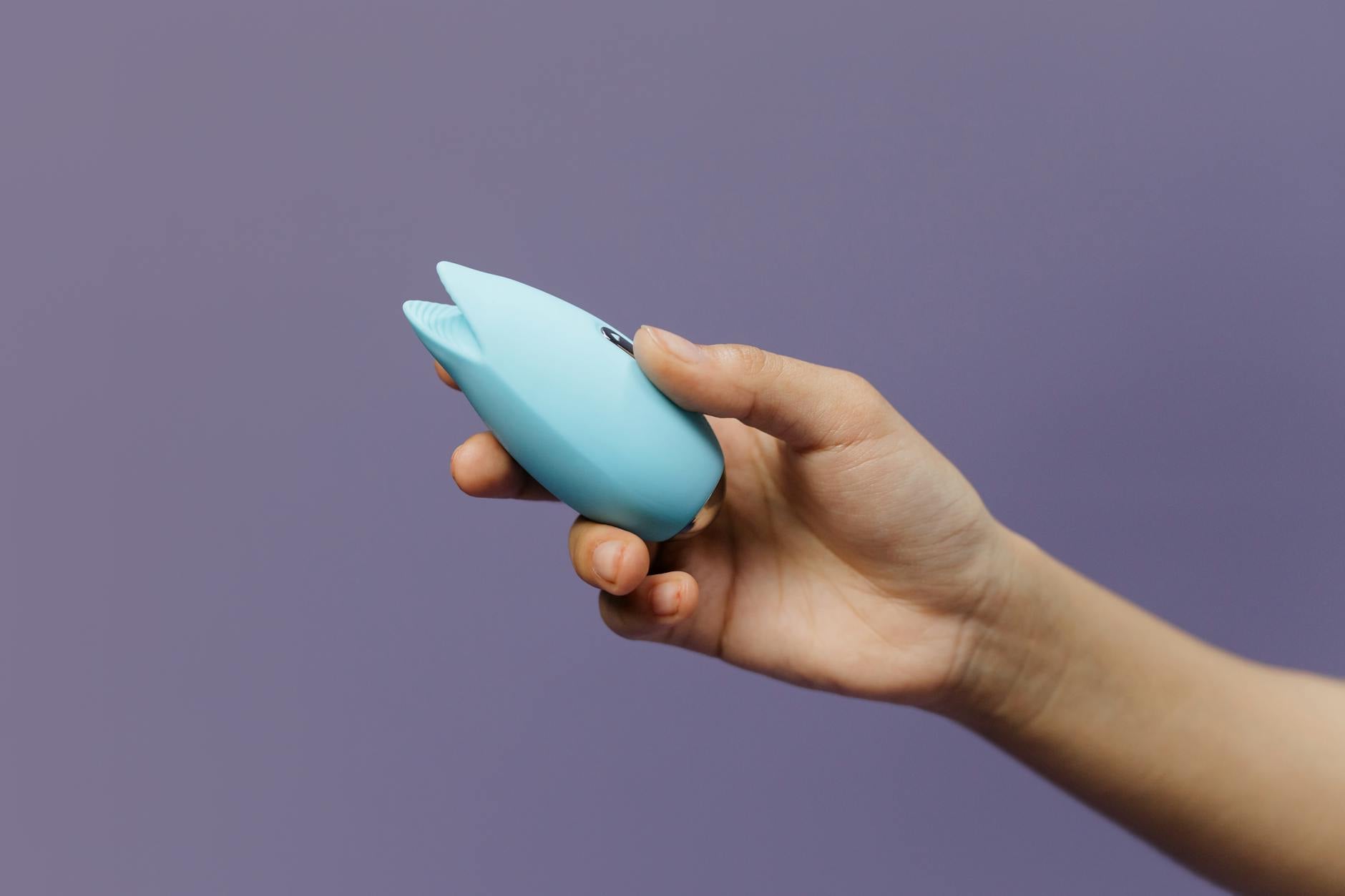
That neurological reset is not trivial. When you use a tool like the Lem, a lemon clitoral vibrator with precision suction, you're not just having an orgasm. You're teaching your brain that touch can be safe, that your body responds, that you're still capable of feeling intensely. After divorce, that's revolutionary.
Research on post-separation recovery shows that people who actively reconnect with their own sexuality report higher confidence, better mood regulation, and faster emotional healing. You're not indulging. You're rehabilitating.
The guilt conversation (get it out of the way)
Let's name the thought that's probably sitting in your head right now: "Isn't this too soon? Am I betraying the marriage by moving on?" The answer is no. The marriage is over. Your body isn't.
Another version: "What if someone finds out?" This is your private life. Full stop. What you do alone with your body is not a moral question, it's not a reflection of your character, and it's certainly not anyone else's business.
The hardest version: "I feel like I'm being selfish." You spent years (maybe decades) managing someone else's feelings, needs, and moods. Spending 15 minutes on your own pleasure isn't selfish. It's the bare minimum of self-care. It's the minimum.
If guilt keeps surfacing, that's worth exploring with a therapist, especially if the divorce involved infidelity, abuse, or deep betrayal. But if it's background noise from old conditioning, the antidote is simple: keep going. The guilt loosens every time you do this.
How to start when your body feels like a stranger's
After years in one partnership, your body changes. Your baseline arousal might be different. Your sensitivity might have shifted. You might not remember what turns you on outside of a relational context. That's completely normal.
Start small. This is not a performance. You're not trying to achieve anything. You're gathering information.
Set aside 30 minutes when you won't be interrupted. No phone. No thinking about logistics. Just you and whatever tool you're curious about. Lemon clitoral vibrators like the Lem are excellent for this because they don't require you to "do" anything. The suction technology does the work while you focus on sensation.
Use water-based lubricant. Even if you're generating natural lubrication, a little extra helps you feel the sensation more clearly without friction getting in the way.
Start at the lowest setting. Let your body wake up gradually. There's no prize for intensity. The point is to reconnect with what feels good to you, not to chase the biggest orgasm.
What you might discover about your own pleasure
Many of my clients are shocked by what they find in this space. After divorce, alone for the first time, with no one to perform for, they often report:
Intense orgasms they'd never had before. Without the mental load of someone else's pleasure, you can actually focus on your own. The result is often deeper, more full-body sensation.
A completely different rhythm than you had in your marriage. You might discover that you want to spend an hour just on sensation, never reaching orgasm. Or that you want back-to-back multiples. Or that you want nothing to do with any of it this week. All of these are information, not failure.
Clarity about what actually turns you on. Outside of a partner's preferences, outside of obligation, what actually generates heat? This discovery is priceless. It's the foundation for any future relationship.
Physical confidence. Using lemon sexual toys and reconnecting with your body creates a different kind of self-knowledge. You walk differently. You take up more space.
The practical side: making this a regular practice
This doesn't have to be a big deal. It can slot into your week like brushing your teeth, something you do for yourself because you deserve it.
I recommend a standing appointment with yourself. Once a week, ideally the same time. Your brain responds to consistency. After a few weeks, that time becomes something you look forward to, not something you have to talk yourself into.
Keep your lemon vibrator somewhere accessible. If it's hidden in a drawer three rooms away, you won't use it. If it's on your nightstand or in your bedside table, you will. Accessibility removes friction.
Don't wait for the "perfect" mood. That's partnered thinking. When you use clitoral vibrators solo, you're not waiting for desire to show up. You're building it. Touch creates arousal as much as arousal creates touch.
If you're sharing space with kids or a partner who's not your ex, use headphones. The Lem is quiet, but headphones make it even quieter and give you an extra layer of privacy and focus.
When shame resurfaces (it will, sometimes)
Divorce shame is sneaky. You might go weeks feeling great about reconnecting with your body, then have a moment where you feel wrong or broken or pathetic. That's not new information. That's old messaging getting louder.
When it happens, here's what I tell my clients: name it, don't fight it. "There's the shame I was trained to feel." Don't try to argue it away. Just notice it, let it pass, and keep going. Every time you move through the shame instead of stopping for it, it gets quieter.
You're rewriting neural pathways that took years to build. That takes more than one good experience. It takes consistency, self-compassion, and permission to sometimes feel complicated feelings while doing something that feels good.
Using lemon sexual toys as part of your post-divorce recovery is an act of radical self-trust. You're telling your body: "I'm here. I'm paying attention. You're worth this." That's the opposite of selfish. That's the foundation of every good thing that comes next.
People also ask
How long after divorce should I wait before exploring pleasure again?
There's no magic timeline. Some people are ready two weeks after separation. Others need six months. The real question isn't "Is it too soon?" but "Am I doing this because I want to, or because I feel like I should?" If you're curious, you're ready. If you're doing it to prove something or escape pain, wait a bit. But don't wait for permission from anyone but yourself.
Is it weird to use a clitoral vibrator alone when I've never been single before?
Not even slightly. Solo pleasure is a skill like any other, and one worth developing. The Lem and other lemon clitoral vibrators are specifically designed for this because they work well without a partner. You're not doing anything wrong. You're just learning yourself.
What if I'm not feeling much sensation at first?
Your nervous system might still be in protection mode. Divorce is trauma, even when it's necessary. Sensation comes back, but it takes time. Keep showing up. Use lube generously. Start with lower settings. If after several weeks you're still feeling nothing, that's worth discussing with a gynecologist or therapist because it might be physiological or it might be deeper emotional work.
Can I use a lemon vibrator if I'm still living with my ex temporarily?
Yes, but privacy matters. Use headphones. Lock the door. Use a small vibrator like the Lem because it's discreet. Your body's pleasure isn't something you owe anyone visibility into. You get to keep this for yourself.
How do I handle it if I feel emotional after using a vibrator alone?
That's normal and actually a good sign. Pleasure can trigger release of emotions you've been storing. You might cry, laugh, feel suddenly sad, or notice grief moving through you. That's your nervous system processing. Let it happen. Lie there for 10 minutes afterward. Drink some water. Journal if it helps. Then move on with your day. You're not broken. You're healing.
Is this a sign I'm ready to date again?
Not necessarily. Reconnecting with your own pleasure is foundational self-care. It doesn't mean you're ready for a new partner. Some people need months of solo exploration before they want to share their body with anyone else. Some people want to date while still doing solo pleasure work. There's no right sequence. Follow your own timeline.