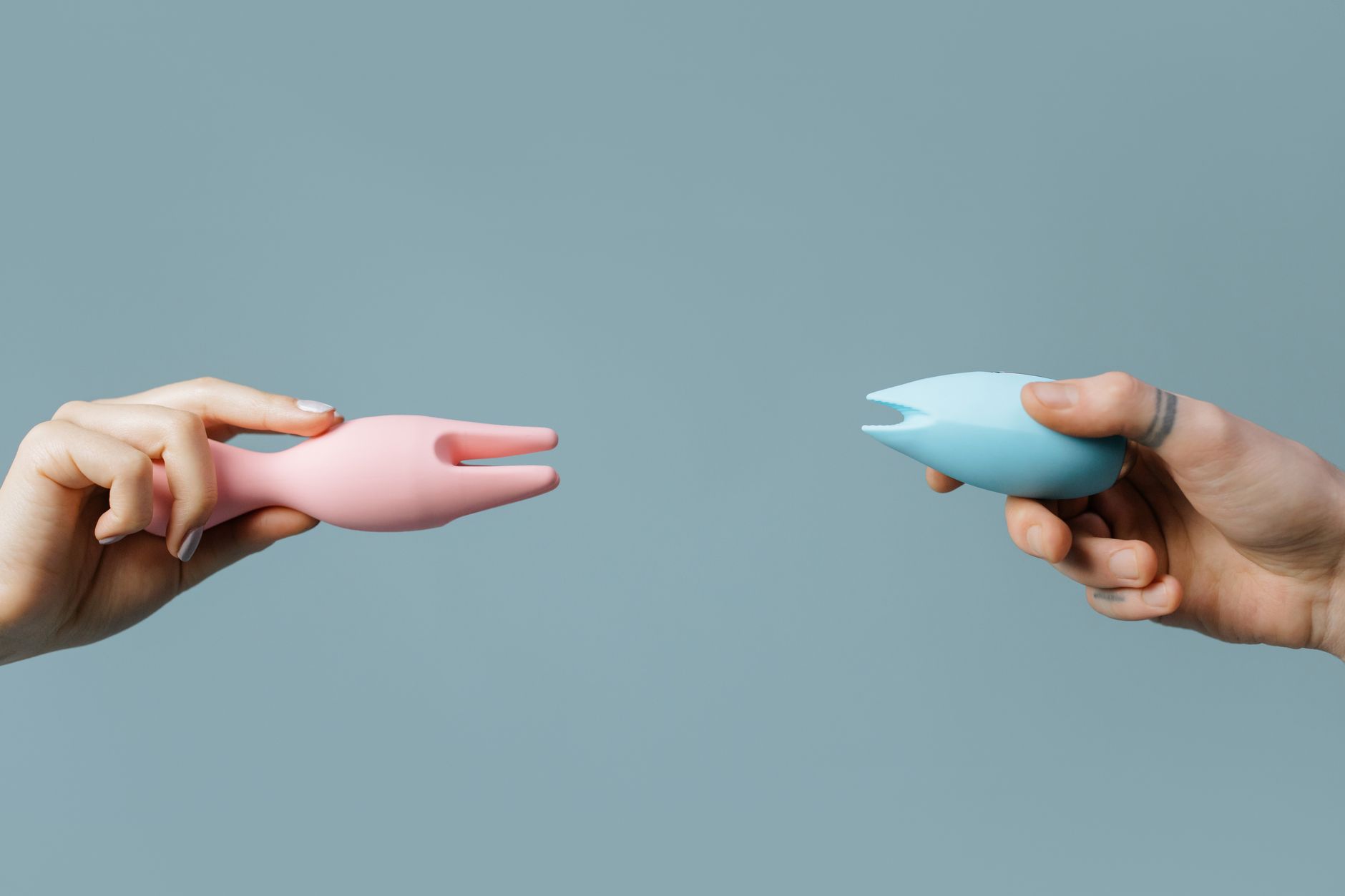
Here's what nobody tells you about disconnection
Your sex life isn't failing because you've stopped wanting each other. It's failing because you've stopped wanting each other. There's a difference, and it matters.
One is about attraction. The other is about presence. When emotional intimacy gets quiet, your bodies know it before your brain does. Sex stops feeling like connection and starts feeling like logistics. You're both there. Neither of you is actually present.
That's when bringing a vibrator into the bedroom can either save you or expose you. I've seen both. The difference isn't the toy. It's whether you're using it to numb the distance or to name it.
Why emotional distance shows up in the bedroom first
Intimacy is the most honest conversation your body has. You can fake attentiveness at dinner. You cannot fake presence during sex. When resentment, stress, or unresolved conflict lives between two people, it doesn't hide. It moves to the bed and sits there, taking up space.
Your nervous system knows the difference between touch that says "I'm checking a box" and touch that says "I want you." When your partner has been emotionally absent for months, their hands on your body might feel like they belong to a stranger. Your desire doesn't disappear. Your trust does. And desire without trust is just friction.
This is where lemon clitoral vibrators become useful not because they're a Band-Aid, but because they can help you name what's actually happening.
The vibrator as a conversation starter
Let's be clear: a vibrator cannot fix a broken relationship. I'm a relationship specialist. I would never tell you that a toy is a substitute for talking to your partner.
What it can do is shift the energy in the room enough to let you both breathe.
When you introduce a lemon vibrator into sex you've been avoiding, something unexpected often happens. The pressure lifts. You're not performing for each other anymore. You're both participating in something that doesn't require you to pretend your body is responding in ways it isn't. That creates space to actually feel.
Many couples find that using a vibrator together makes the bedroom feel less like a test they're both failing and more like an experiment you're running as a team. The goal stops being "prove we still want each other" and becomes "figure out what actually feels good right now."
That shift in goal is enormous.
How to introduce this conversation without triggering defensiveness
Don't frame it as "our sex life is broken." Frame it as "I want to feel more pleasure when we're together, and I think this might help both of us actually relax."
That's true. And it's less likely to activate your partner's shame or defensiveness.
If your partner has already said they're not interested in toys, here's the actual truth: they're not interested in being replaced. They're worried a vibrator means they're not enough. Address that directly, not by avoiding the conversation, but by having it while you're both clothed and calm.
Say something like: "I want us to feel less distant. Using a vibrator doesn't change how I feel about you. It changes how my nervous system responds during sex, which actually makes it easier for me to be present with you."
That's vulnerable, but vulnerability is what builds the emotional intimacy that actually opens up your sex life.
What actually happens when you use one together
Let's walk through this practically.
You've had the conversation. Your partner is on board, or at least open. You've chosen a lemon clitoral vibrator because you want something that works with your body, not against it. You're in bed. Now what.
Honestly, the first few times might feel awkward. You're doing something new while trying to rebuild trust. That's vulnerable. Awkwardness is normal.
Start with your partner external to the action. You're using the vibrator on yourself while your partner is present and touching you in other ways. Hands on your thighs. Kissing your neck. They're involved, but you're directing your pleasure. This matters because it reminds both of you that your pleasure isn't their job, but they get to be part of it.
When you orgasm, they're there. You're not alone with the sensation. That's the whole point.
After a few times, you might find your partner wants to use the vibrator on you. Or you both want to use it. Or you want to use one on them. There's no script here. The point is you're both paying attention again.
When the vibrator reveals something harder to name
Sometimes, using a vibrator together surfaces something that's been quiet but real: one of you doesn't actually want to be in this relationship anymore.
That's worth knowing.
If you're using a vibrator and you still feel nothing. If your partner is touching you with the vibrator and your nervous system is pulling away. If you're both going through the motions and neither of you is actually present. That information is valuable, even though it's painful.
A toy doesn't fix that. Nothing does except honest conversation and usually a therapist.
But some couples find the opposite: underneath the disconnection is just exhaustion and distance. A vibrator breaks that pattern enough that you remember why you wanted each other. You feel present again. Pleasure comes back because presence came back.
The emotional work that has to happen alongside the physical
Using a lemon vibrator is the bedroom part. But the real work is outside the bedroom.
You have to actually address what created the distance. Was it months of stress from work. Was it unresolved conflict you both pretended was fine. Was it too many years of not asking your partner how they actually felt.
Sex doesn't fix that. But sex can be the thing that reminds you that you want to fix it.
If emotional disconnection has been deep, this is the moment to consider couples therapy. I'm not saying that lightly. I'm saying that as someone who's watched hundreds of couples use vibrators correctly (as one tool among many) and incorrectly (as a replacement for actually talking to each other).
The couples who rebuild intimacy are the ones who use the vibrator as a gateway back to each other, not as an escape from the conversation.
What actually shifts when you do this right
Your partner starts touching you differently because they can feel that you're actually responsive. Your nervous system isn't braced anymore. You're not waiting for sex to be over. You're present in your body.
That presence is contagious.
Within a few weeks, many couples find that sex feels less like maintenance and more like connection again. Not always, and not in every relationship. But in the ones where the disconnection was about distance and exhaustion rather than fundamental incompatibility, this is how reconnection actually starts.
It starts with you deciding your pleasure matters enough to ask for what helps you feel it. That decision alone changes the dynamic.
FAQ: When disconnection lives in your sex life
Can a vibrator fix a broken relationship?
No. A vibrator can shift the energy in the bedroom enough that you both feel present again, but it can't address the emotional distance that caused the disconnection in the first place. That requires conversation and often professional support. A vibrator is useful when both people are willing to show up and rebuild. It's not useful when one or both partners have already checked out.
What if my partner thinks a vibrator means I'm not satisfied with them?
That fear is real and common. Address it directly by saying something like: "A vibrator helps my nervous system relax, which actually makes me more present with you. It's not about you being enough. It's about me being here." The couples who move past this are the ones who separate pleasure from performance. Your partner doesn't cause your orgasm. Your nervous system does. A vibrator helps your nervous system do its job. That's actually better for both of you.
Should we try using a vibrator before we get couples therapy, or should we do therapy first?
They can happen at the same time. In fact, they often work better together. A good couples therapist will help you understand what created the disconnection. A vibrator can help you remember that your nervous systems still recognize each other. Start the conversation about therapy while you're also being curious about pleasure together. They feed each other.
What if using the vibrator together still feels distant?
That's important information. It means the disconnection is deeper than you thought, or it means one of you isn't actually present in the relationship anymore. Either way, talking to a therapist is the next step, not using a different vibrator. Sometimes the most honest thing a couple can discover is that they've drifted too far to come back.
How long does it usually take to rebuild intimacy after emotional disconnection?
There's no timeline. Some couples feel a shift within a few weeks. Others take months. It depends on how deep the disconnection is, how willing both people are to show up, and what caused it in the first place. If disconnection was about unresolved conflict, that conflict has to be addressed. If it was about one partner being emotionally absent, that person has to actually change. A vibrator is useful, but it's not magic.
Is it normal to feel guilty about using a vibrator when your relationship is struggling?
Very normal. You might feel like you should only want your partner. You might feel like you're making your own pleasure a priority when you should be fighting for the relationship. Here's the truth: your pleasure doesn't take anything away from your partner. Your presence does. And you cannot be present if you're numb. Using a vibrator to reconnect with your body is actually a way of showing up in your relationship.
What actually matters
Disconnection in a relationship's sex life isn't a toy problem. It's a presence problem. When you use a lemon clitoral vibrator and your partner is present and paying attention, you're not choosing the vibrator over them. You're inviting them into your pleasure. That shift. That willingness to be vulnerable together. That's what rebuilds intimacy.
The vibrator is just the language you're both learning to speak again.