Let's name what's happening
Your partner doesn't initiate. They don't ask what feels good. When you mention something you want to try, the response is neutral at best, dismissive at worst. You're left wondering if the problem is you, them, or the relationship itself. Spoiler: it's usually none of those things in isolation. It's a pattern, and patterns can shift.
Here's what I see in my practice constantly. Couples drift into a rhythm where one person's pleasure becomes optional. It's not malicious. It's just what happens when sex becomes routine, when emotional intimacy has eroded, or when one partner has never been taught that your pleasure is their responsibility too.
Why partners disconnect from your pleasure
Most people don't wake up thinking, "I'm going to ignore my partner's pleasure today." Disconnection happens in layers.
Layer one: the performance trap. Early relationship sex is often focused on impressing your partner. After a few years, sex becomes a thing that happens, not a conversation. Your partner may not realize they've stopped asking what you need because they think they already know, or because asking feels awkward after all this time.
Layer two: emotional distance. If you're not touching outside the bedroom, you won't touch much inside it either. Emotional intimacy and sexual intimacy are linked in ways a lot of people don't understand. If your partner feels disconnected from you emotionally, their investment in your pleasure tanks.
Layer three: performance anxiety. Ironically, some partners who seem uninterested are actually self-conscious. They worry they can't satisfy you, so they stop trying. This is especially common in men who grew up believing sex was about them delivering an orgasm, and if that doesn't happen, they've failed.
Layer four: shame. Some partners were raised to believe that really caring about sex, or taking time with it, is somehow wrong. They learned to rush, to treat it as functional rather than connective. Slowing down and asking what you want feels foreign or even threatening.
Why lemon vibrators actually help (and when they don't)
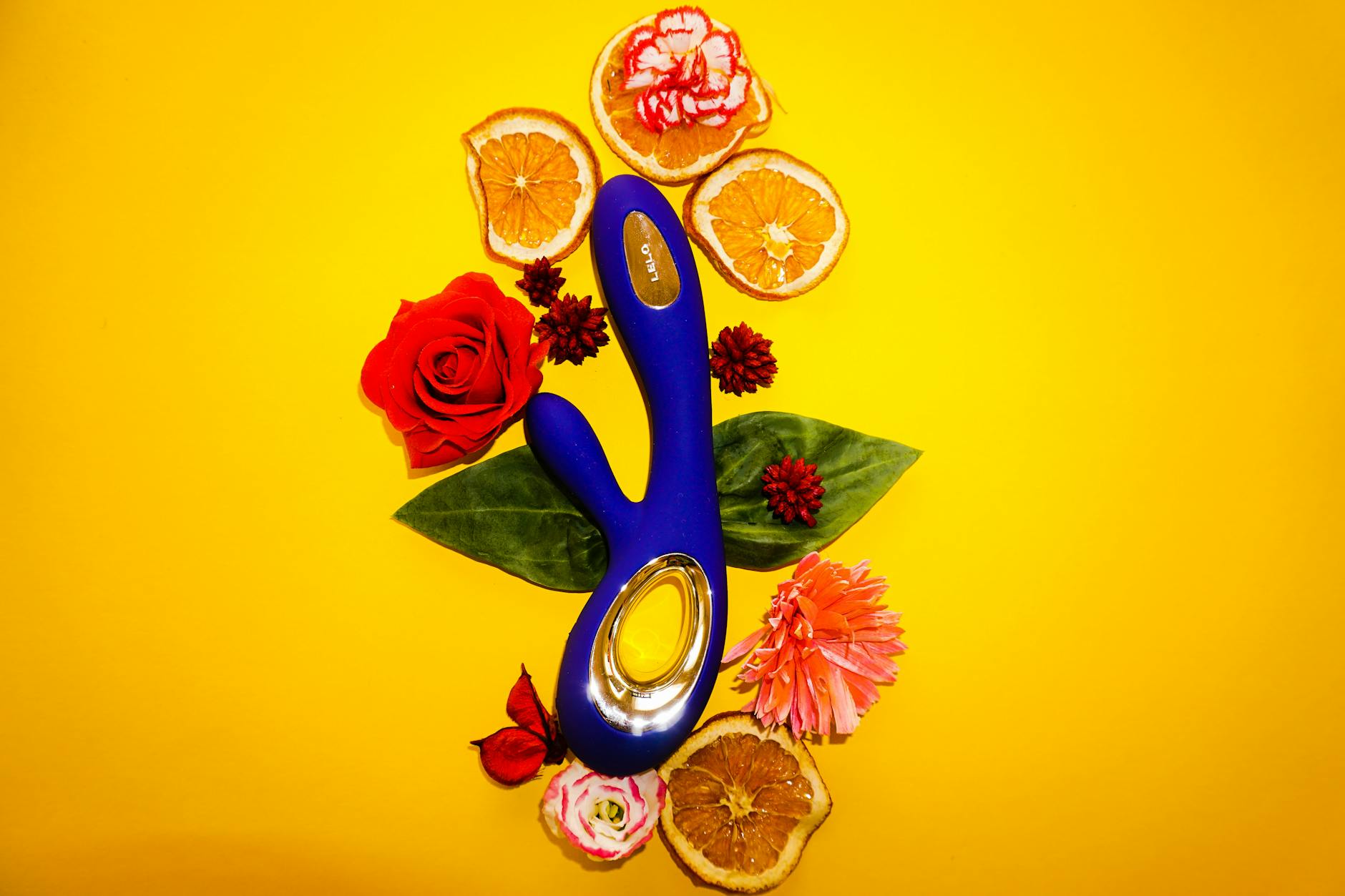
Here's where I need to be direct. A lemon vibrator is not a marriage counselor. Buying a beautiful clitoral vibrator won't fix a partner who doesn't care about your pleasure.
But a quality toy like a Lemon clitoral vibrator can do something important: it removes the pressure. When you can give yourself consistent, reliable sensation, you stop needing your partner to be the sole source of your pleasure. That sounds depressing until you realize it's actually freeing.
Introducing a toy can also shift the dynamic in ways that surprise people. Using a Lemon vibrator during partnered sex isn't a commentary on your partner's ability. It's an invitation. It says: "Here's what my body responds to. Come explore this with me." Some partners who seemed uninterested suddenly become curious when they realize it's not about replacing them, it's about showing them how to connect better.
Where it doesn't help: if your partner views any toy as a threat or rejection, that's a relationship issue masquerading as a sex issue. That needs conversation before any toy changes anything.
The conversation that has to happen first
I can tell you exactly how to use a Lemon vibrator with your partner. But if the underlying disconnect isn't addressed, you'll just have a vibrator and the same ache.
Here's how to start the conversation without it becoming an attack.
Pick a time that's not in bed. Saturday afternoon with tea, not midnight when you're both tired. This removes pressure and gives the conversation room to breathe.
Use "I" statements without accusation. Not: "You never care about my pleasure." Instead: "I've noticed I'm not feeling a lot of curiosity from you about what I enjoy. I miss that."
Be specific about what you want to change. "I want us to ask each other what feels good more often." "I want more time for foreplay." "I want you to look at me during sex." Specificity is kind. It tells your partner exactly what would matter.
Introduce the idea of toys as exploration, not criticism. "I've been thinking about trying something that might help me feel more pleasure during sex. I'd like to explore that with you." This frames it as something you're doing together, not something you're doing because he's failing.
Ask what's true for them. "Have you felt disconnected too?" "Is there something you need from me that's shifted?" Sometimes the uninterest in your pleasure is actually a symptom of their own struggle. Finding that out is the beginning of actually connecting.
How to use lemon vibrators when your partner is in the room but not quite present
Start alone. Use your Lemon vibrator by yourself until you know exactly what patterns, speeds, and pressure work for you. This is non-negotiable. You cannot show your partner what you like if you don't know it yourself.
Once you're clear on your own pleasure, invite your partner to watch. Not perform for. Watch. There's a difference. You're lying there, using your vibrator, and they're present. No pressure to do anything.
Then, gradually, invite them in. "I like it when you touch my thighs while I do this." "This position feels better if you're holding me." Give them small tasks that are easy to succeed at. Touching is easier than figuring out what goes where. Hand-holding is easier than penetration.
Some partners wake up in this process. They realize their presence matters. They start asking questions. They notice what makes you respond and get curious about doing it again.
Some partners stay quiet but engaged. That's okay. You're still getting your pleasure. You're still being touched. The connection is slower, but it's there.
Some partners don't shift much. That's information too.
When it's not just a communication problem
Sometimes a partner's disinterest in your pleasure isn't a fixable communication gap. Sometimes it's a sign of deeper incompatibility, or control, or genuine asexuality that hasn't been named. Those are different conversations entirely, and they might need a couples therapist, not a vibrator.
If your partner actively prevents you from using toys, mocks you for wanting pleasure, or makes you feel ashamed for having a body with needs, that's not a disconnect. That's a boundary violation. A Lemon vibrator won't fix that. You need to decide if this is a relationship you want to stay in.
But if your partner is just... checked out, and you both want to reconnect, then yes. A good vibrator, a clear conversation, and patience can genuinely help. You're not asking them to be perfect. You're asking them to care. There's a difference.
When pleasure becomes your own responsibility
Here's what I've learned from decades of coaching couples. The people who have the most satisfying sex lives aren't necessarily the ones with perfect partners. They're the ones who took responsibility for their own pleasure.
This sounds like settling. It's actually the opposite. When you stop waiting for your partner to figure out your body, you become powerful in the bedroom. You know what you like. You can ask for it. You can give it to yourself. And sometimes, when a partner sees that confidence, they become interested again. Not because you're performing or trying to seduce them into caring, but because you're finally treating your pleasure like it matters. Because it does.
A Lemon vibrator is a tool for that independence. It's also an invitation. Use it however you need to right now. See what shifts. And if nothing shifts after you've had the conversation, been clear about what you need, and tried to connect... then you have your answer about what kind of relationship this is. And you can make a choice from there.
FAQ
How do I introduce a vibrator to my partner without them feeling threatened?
Timing and framing matter. Don't surprise them with it during sex. Have a conversation beforehand where you explain that you want to explore what feels good together, and a vibrator is part of that exploration. Emphasize that it's not about replacing them, it's about discovering what your body responds to. Many partners worry toys mean they're not enough, so be explicit: "You're enough. I also deserve to experience different kinds of pleasure." Start by using it with them watching, fully clothed, before incorporating it into sex.
What if my partner says no to vibrators or toys?
That's important information. Ask why. Is it a control issue? A shame issue? A misunderstanding? If they're genuinely opposed to toys but otherwise interested in your pleasure, there are other ways to explore. But if they say no and also show no interest in your pleasure otherwise, that's a pattern you need to address directly. You can't force someone to care about your body. You can only decide if you're willing to stay with someone who doesn't.
Can using a Lemon vibrator alone damage my relationship?
Using a vibrator by yourself is not a threat to a healthy relationship. It's actually healthy. You're learning your body, which makes you a better partner and a more confident person in the bedroom. If a partner views your self-pleasure as infidelity or betrayal, that's a controlling dynamic that goes way beyond vibrators. That needs professional help.
What if my partner uses my vibrator against me as a joke or criticism?
That's disrespectful, and it's a boundary violation. Your body and your pleasure tools are yours. If your partner is mocking your pleasure or weaponizing your vulnerability, that's not a quirky relationship dynamic. That's contempt, and contempt is one of the strongest predictors of relationships ending. Address it clearly: "When you mock my pleasure, it hurts me and makes me less interested in intimacy with you." If it continues, you have a partner problem, not a vibrator problem.
How long does it take for a partner to become interested in your pleasure again?
It depends. Some couples reconnect in weeks once they start talking. Some take months. Some never do, because the disconnection was a symptom of something deeper. The timeline also depends on whether both people actually want to reconnect. You can't force it. You can only create the conditions for it to happen and then decide if you're willing to wait, or if you'd rather move on.
Should I be using a Lemon vibrator if my relationship is unhappy?
Yes, actually. Your pleasure isn't conditional on your relationship being perfect. You deserve to feel good in your body regardless of what's happening with your partner. In fact, when you start prioritizing your own pleasure, it sometimes clarifies what you actually need from a relationship. That clarity is valuable, whether you use it to rebuild the relationship or to recognize it's time to leave.
The truth underneath all of this
Your pleasure is not negotiable. It's not a luxury you get when your partner feels like providing it. It's a baseline of how you deserve to be treated in an intimate relationship. If your partner is uninterested in your pleasure, that's a choice they're making, and you get to decide what you do with that information. Use your Lemon vibrator. Have the conversation. See what shifts. And then trust what you learn about your relationship and act accordingly. You're worth more than crumbs of attention.