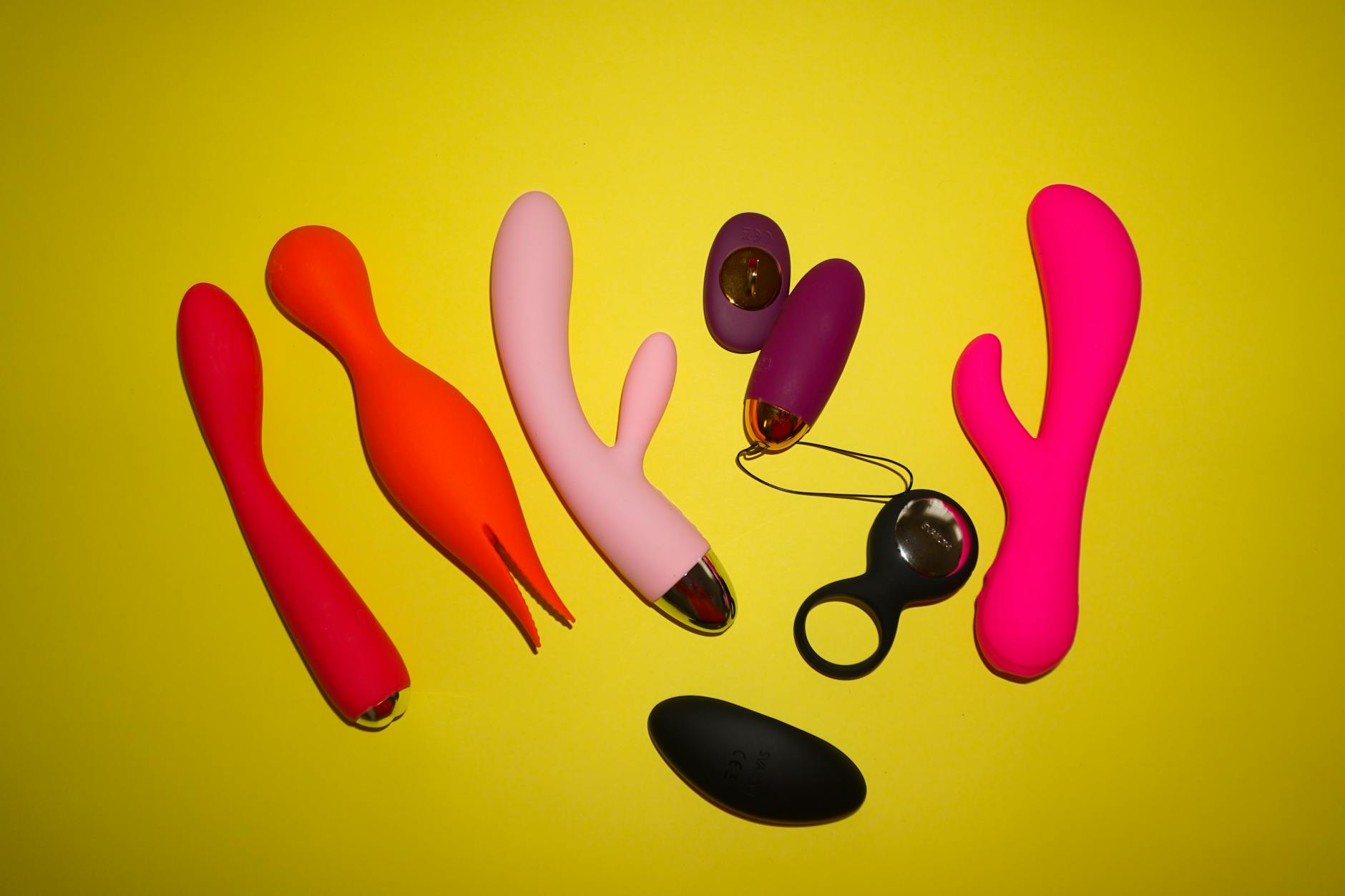
The conversation you're actually nervous about
Let's be real. Bringing a vibrator into bed with someone new feels risky. You're worried they'll think you're not satisfied, or that you're replacing them, or that they'll feel inadequate. None of those things are true. But the fear is real, and it stops a lot of people from exploring pleasure the way they want to.
Here's what I've seen across decades of relationship counseling: couples who can talk about vibrators early actually build trust faster. Not slower. The awkward conversation is the shortcut to deeper intimacy, not away from it.
Why the framing matters more than the toy itself
The lemon vibrator isn't the issue. Your tone when you introduce it is. If you frame it as "I need this to finish" or "I'm not getting enough sensation," your partner hears criticism. If you frame it as "I want to explore this with you" or "I'm curious what this feels like together," your partner hears invitation.
One is defensive. One is exploratory. Pick the second one.
The best time to bring it up isn't mid-sex. It's not in bed. It's in a normal conversation, ideally a few days before you plan to use it together. This gives your partner time to sit with the idea instead of feeling blindsided. Blindsided leads to insecurity. Time leads to curiosity.
How to actually have the conversation
Three steps that work:
Step 1: Normalize it as a tool, not a replacement. "I've been using a lemon vibrator solo and I really like it. I want to try it with you." That's it. You're not asking for permission. You're sharing information. Partners respond better to invitation than to negotiation.
Step 2: Acknowledge the elephant. If your partner seems hesitant, don't pretend it's not there. Say: "I know toys can feel weird the first time. I'm not trying to say you're not enough. I'm trying to say I want to feel more of what I like, and I want you to be part of that." This separates the tool from the relationship.
Step 3: Make it about sensation together, not sensation alone. "I want to show you what makes me feel good." This is collaborative. It's not you hiding under the covers with your device. It's you guiding them into an experience they get to witness and participate in.
The first time you use it together
Here's where most people get nervous and rush.
Start with foreplay as you normally would. Don't introduce the vibrator until you're already aroused. Introducing a new tool when you're not warmed up creates pressure and anxiety. Introducing it when you're already engaged feels like a natural escalation, not a sudden shift.
When you're ready, bring it out calmly. No drama. "I'm going to use this now." Then do it. If your partner seems interested, you can hand it to them and show them the pattern. If they seem uncertain, let them watch. Both are fine.
The key is that you're not waiting for permission or validation. You're including them in your pleasure, not asking them to manage your expectations.
Positioning that actually works
Lemon clitoral vibrators like the Lem are small enough to fit between you and a partner without getting in the way. But the angle matters.
If you're face-to-face, you can hold it yourself and keep eye contact. This is less vulnerable than it sounds because you're in control of the sensation and your partner can see your face change, which is arousing for most people.
If you're from behind, your partner can hold it or you can. This setup tends to feel less intense for people who get nervous about being watched.
If you're side-by-side, the angle is perfect for your partner to hold it while you guide them. This creates intimacy without performance pressure.
There's no one right way. The right way is whatever lets you stay present instead of anxious.
What to do if your partner seems uncomfortable
If they pull back or go quiet, stop. Not as punishment. Stop because tension kills pleasure.
Ask: "What's coming up for you?" and actually listen. Don't defend the vibrator. Don't defend yourself. Just listen. Often it's not about the toy at all. It might be that they feel like they're not enough, or they're worried they're doing it wrong, or they just need a beat.
Here's the thing I tell couples in my practice: the vibrator isn't the real conversation. The real conversation is whether you two can talk about what you want without shame. The toy is just the vehicle.
If your partner needs time, give them time. If they need reassurance, give them that too. But also be clear that this is something you want, not something you're willing to negotiate away entirely. There's a difference between "let's go slow" and "let's not do this at all."
Making it a regular thing without it feeling clinical
After the first time, it should feel less like a big production. You're not having a "we're introducing a vibrator tonight" sex date every time. You're just using it as part of your regular rhythm when it feels right.
This normalizes it. After three or four times, it stops being a thing and becomes part of how you have sex together.
If you want to use lemon sexual toys regularly with your partner, keep it accessible but not displayed. It shouldn't be a production every time. It also shouldn't be hidden away like contraband. Just present.
The actual benefits most couples miss
Here's what I've noticed: couples who navigate this conversation well report better communication across the board. Not just about sex. About money, about kids, about feelings.
Why? Because you've proven to each other that you can talk about vulnerable things without judgment. You've made it clear that your needs matter and their comfort matters, and both things are true at the same time.
That's the real win. The lemon vibrator is just the practice round.
Using toys together isn't about replacing each other. It's about expanding what you can explore together. That's a relationship skill.
If your partner brings it up first
If they're the one who wants to introduce a vibrator, your job is straightforward: say yes, or if you're nervous, say "I'm curious but nervous, can we talk about what this would look like?"
Don't refuse out of insecurity. That plants resentment. And don't agree and then make them feel bad about it later. Meet them in the middle. Be willing to explore.
The conversation doesn't end after the first time
Good partners check in. Not during sex (terrible timing). But later, maybe the next day: "How did that feel for you?" Listen to the answer. If your partner loved it, great. If they felt unsure, listen to why. If they hated it, you don't have to do it that way again.
But also know the difference between "I want to adjust how we do this" and "I don't want to do this at all." One is collaborative. One is a boundary. Both are valid.
FAQ: What people actually ask
Should I ask permission first, or just introduce it one day?
Ask first. Every time. Not because you need approval, but because your partner deserves to know what's coming. It's the difference between surprise and respect. A truly considerate partner wants to know what you're bringing into the bedroom so they can prepare emotionally.
What if my partner says they're not comfortable with it?
Then you have options: you can use it solo and let them decide later if they want to join. You can ask what specifically makes them uncomfortable and see if a different approach works. Or you can decide that this is important enough that you need a partner who's willing to try. All three are valid paths.
Is it weird if I use the vibrator alone and also with my partner?
No. Solo use and partnered use feel completely different. Most people do both. Your partner doesn't need to be involved every time you use a lemon vibrator, and it's actually healthier if they're not. Solo pleasure and partnered pleasure are both important.
What if they want to use it wrong or hurt me?
This is where you guide them. "Here's what feels good to me." Show them the patterns. If they're too aggressive, tell them. If they need feedback, give it. This is a conversation, not a surrender.
What if we try it and hate it?
Then you know. You don't have to force it. But give it at least two tries before you decide. The first time is usually awkward. The second time is usually better.
Can I use a lemon vibrator if we're not having penetrative sex?
Absolutely. Clitoral vibrators work during foreplay, during partnered touch, or completely solo. The partner aspect is optional. You can be with someone, intimate and connected, and use a lemon clitoral vibrator for your own sensation. That's actually really powerful.
The bottom line
Bringing a vibrator into a new relationship is a communication test. Not because the vibrator is scary, but because being honest about what you want is scary. If you can do it with a toy, you can do it with harder things later.
Your pleasure matters. Your partner's comfort matters. Both things are true. A partner worth keeping will find a way to hold both of those things at once.
Start the conversation this week. Not during sex. Just in a normal moment. See what happens.