Here's the thing about birth control and desire
You're not imagining it. Hormonal contraception, whether it's the pill, the implant, the hormonal IUD, or the ring, genuinely does affect sensation and arousal. The symptoms you're describing—numbness, flatness, difficulty reaching orgasm, or feeling disconnected from pleasure—are real physiological changes, not a sign that something's wrong with you or your relationship.
The frustration is that nobody warns you about this. Your doctor prescribes birth control for menstrual regulation or contraception, and maybe mentions mood changes or headaches. But sensation? Desire? That's treated like a footnote, if it's mentioned at all. It shouldn't be.
Why hormonal birth control dampens sensation
Most hormonal contraceptives work by suppressing ovulation, which means they suppress the cyclical rise and fall of estrogen and testosterone. Both of those hormones matter for sexual response. A lot.
Estrogen affects genital blood flow, lubrication, and tissue elasticity. When estrogen levels drop, blood flow to the vulva decreases. Less blood flow means less engorgement, which means less sensitivity to touch. It's not psychological. It's vascular.
Then there's testosterone. Yes, people with vulvas produce testosterone, and it's one of the main drivers of sexual desire. Hormonal birth control often suppresses testosterone production more aggressively than estrogen. For some people, this is barely noticeable. For others, it's like someone dimmed the lights on your entire sexual experience.
On top of all that, hormonal contraceptives can increase something called sex hormone-binding globulin (SHBG). This protein binds to testosterone and makes it unavailable to your tissues. So even if your body's producing testosterone, your cells can't actually use it.
The sensation you're losing, and what you can do about it
When you say you feel numb, what's usually happening is reduced clitoral engorgement and delayed arousal. Your clitoris has roughly 8,000 nerve endings, but those nerve endings only fire when the tissue beneath them is engorged with blood. Hormonal birth control reduces that engorgement.
The second piece is neural sensitivity. Reduced hormones can dampen the signal between your clitoris and your brain. So even with stimulation, the feedback loop isn't as strong. Orgasm becomes harder to reach, or feels less intense when you do.
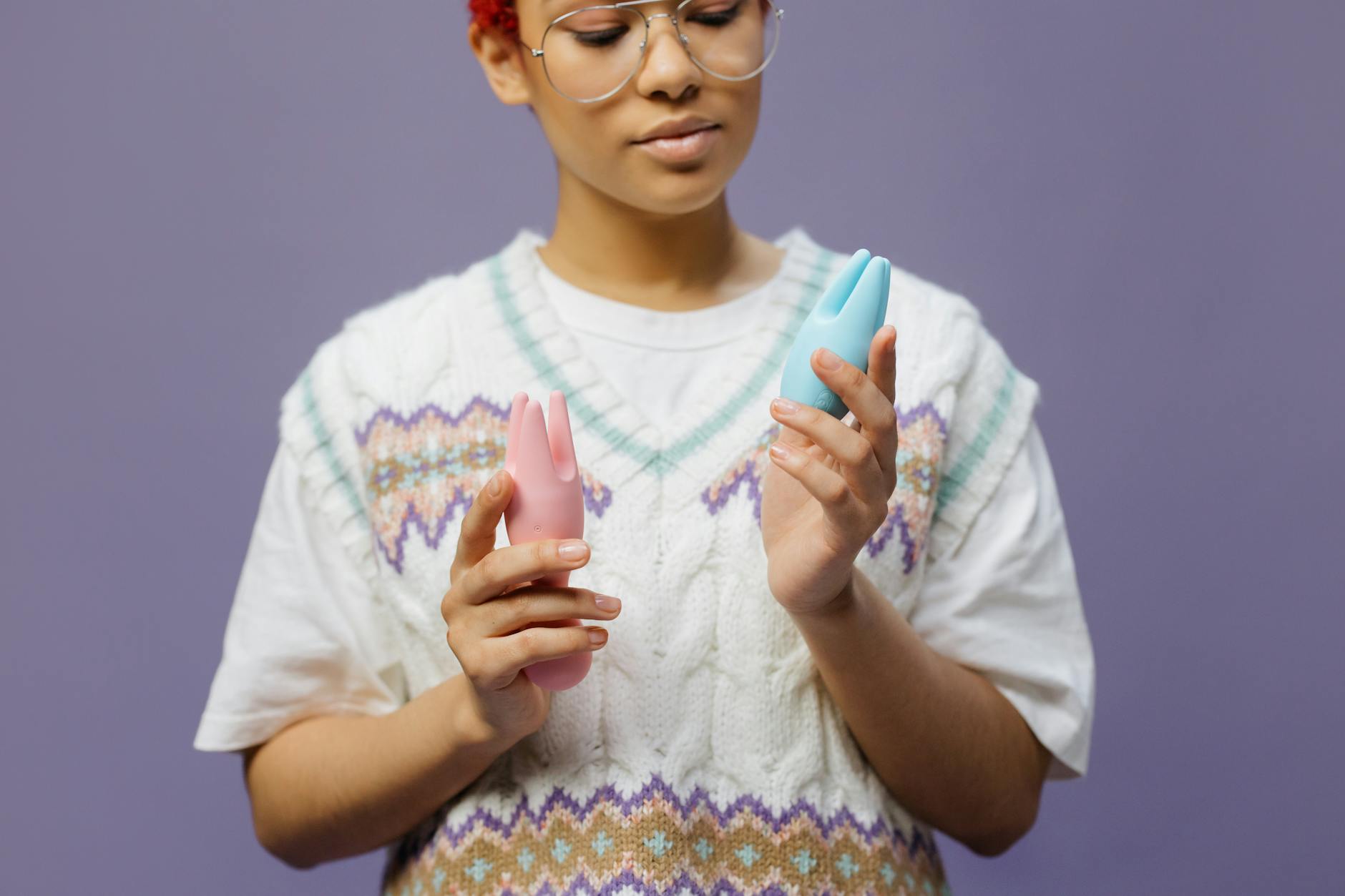
Lemon vibrators work differently here than they do for other causes of numbness. Their air-suction technology creates a pressure gradient that forces blood into the clitoral complex without relying on hormonal engorgement to get there. You're essentially kickstarting the process that birth control is suppressing.
Here's how to use lemon sexual toys to rebuild sensation when you're on hormonal contraception:
Start with longer warm-up time
Your arousal hasn't disappeared. It's just slower to build. Budget 20-30 minutes instead of 10. Touch your body first. Use your hands on your breasts, inner thighs, whatever feels good. The goal is to get blood flowing before you bring in any vibrator.
Use the lower suction patterns first
If you're using lemon clitoral vibrators for the first time while on birth control, don't start at pattern 5 or 6. Begin at pattern 1 or 2. The gentler suction still creates engorgement, and it gives your nervous system time to remember what pleasure feels like. You can increase intensity over weeks, not the first session.
Focus on consistency over intensity
When sensation is dulled, people often think "I need more power." That's backwards. You actually need more repetition. Using your lemon vibrator three times a week consistently will rebuild sensation faster than once-weekly sessions with maximum intensity. Consistency trains your nervous system to recognize and amplify the signal.
Layer sensation differently
Don't rely only on the vibrator. Use lube, touch other parts of your body at the same time, focus on breathing. When one signal (the clitoral one) is dampened, layering multiple signals helps your brain recognize arousal. It's like turning up multiple channels on a stereo instead of just cranking the one that's quiet.
When sensation returns (it does)
One thing I want to be clear about: sensation absolutely returns. It might take 3-8 weeks of consistent use, depending on which contraceptive you're on and how much it's suppressed your hormones. But the nerve endings aren't damaged. They're just waiting for signal.
If you've been on the pill for years and sensation has been blunted for years, your brain's arousal map might need recalibration too. This is where patience matters. You're not trying to force an orgasm. You're teaching your body how to feel again.
The bigger conversation about contraceptive choice
Here's something nobody says clearly enough: if hormonal birth control has killed your desire or sensation, you have options. They're not always convenient, but they exist.
The copper IUD doesn't suppress hormones at all, so sensation usually stays intact. Barrier methods like condoms don't affect sensation neurologically (though some people find them less pleasant). Permanent options like sterilization obviously don't involve hormones. If you want to stay on hormonal birth control, some formulations suppress hormones less than others. A menstrual health doctor or gynaecologist who actually listens can help you find a better fit.
The hard part is that this conversation usually gets labeled as "anxiety" or "relationship issues" instead of what it is: a direct physiological side effect of your medication. How to use lemon vibrators when lubrication feels uncomfortable or irritating covers another layer of this, because birth control often affects lubrication alongside sensation.
When to see someone
If you've tried consistent use of a lemon vibrator for 8 weeks and sensation hasn't improved at all, see a gynaecologist. There might be something else going on. If the numbness is paired with significant mood changes, low libido that feels depressive, or relationship strain, talk to a therapist who understands both birth control side effects and relational dynamics.
Also, if you're in a partnership, don't handle this alone. Your partner needs to understand that this isn't about them, about attraction, or about your relationship. It's medication. And it's temporary.
FAQ
How long does it take for sensation to return after starting birth control?
Usually 4-8 weeks after you start noticing the dampening effect. But some people don't notice until 2-3 months in. If you've been on it for years, sensation might return gradually over weeks to months once you start using targeted tools like lemon clitoral vibrators. Your body will rebuild it, but consistency matters more than speed.
Can I switch birth control methods and get my sensation back?
Often yes. The copper IUD has no hormonal side effects on sensation. Some lower-dose pills have less impact than standard formulations. Barrier methods and permanent contraception don't affect sensation chemically. Talk to a doctor who takes this seriously—not all will, so you might need to shop around.
Does adding lube help when birth control makes things feel numb?
Lube helps with dryness, which is a separate (though related) birth control side effect. But numbness is about nerve signal and blood flow, not wetness. That said, water-based lube used alongside your lemon vibrator can help things feel more comfortable while you're rebuilding sensation. It's not the main driver of recovery, though.
Are lemon vibrators better than other vibrators for birth control numbness?
Yes, for one specific reason: suction technology engages blood flow more effectively than vibration alone when hormone levels are low. Air-pulse vibrators force blood into the clitoral complex without needing hormonal engorgement to start. Traditional vibrators rely more on the natural swelling that birth control suppresses. You can absolutely use other toys, but lemon sexual toys are engineered to work better in this exact scenario.
What if my partner thinks the numbness is about them?
It's not. You need to have a separate conversation about this. "I'm taking birth control that affects my arousal" is a different conversation than "I'm not attracted to you." The first is about medication. The second is about the relationship. Don't let them bleed together or your partner will feel blamed, and you'll feel unsupported. Be direct: this is physiology, you're addressing it, and their patience matters.
Can numbness from birth control affect orgasm even if I do feel aroused?
Yes. You can feel in the mood and still have delayed or muted orgasm because the clitoral nerves aren't firing at full capacity. This is really frustrating because it feels like you're close but can't quite get there. Using lemon vibrators with consistent patterns helps train those nerve pathways to respond more reliably, even when sensation feels slower than pre-birth-control.
The bottom line
Hormonal birth control genuinely affects sensation and desire. You're not broken, oversensitive, or losing your libido because of relationship problems. Your medication is temporarily suppressing the hormones that drive arousal and blood flow.
Lemon vibrators, specifically their air-suction technology, work around this by forcing clitoral engorgement without waiting for hormones to do it for you. Used consistently over weeks, they help rebuild the sensation pathways birth control has dulled.
But the longer conversation—whether you want to stay on this particular birth control—is between you and a doctor who actually listens. Your pleasure matters in that decision. It always should.