When distance changes everything
Here's the thing nobody talks about: reconnecting after time apart isn't just about picking up where you left off. Your bodies have changed. Your rhythms have changed. The person you were before the separation might not be the person standing in front of your partner now. That's not failure. That's just reality.
I work with couples constantly who are rebuilding physical intimacy after long-distance stretches, work separations, or recovery periods. The anxiety is always the same. "Will it still work?" "Will it feel good?" "What if we've forgotten how?" You haven't forgotten. But you do need a reset.
Why reconnection is different from routine
When you've been apart for weeks or months, your nervous system is in a different state than when you're sleeping in the same bed regularly. Touch feels unfamiliar again, even with someone you've been with for years. Arousal might take longer. Your body might feel more alert, less automatic. Your partner might feel like a stranger in some moments.
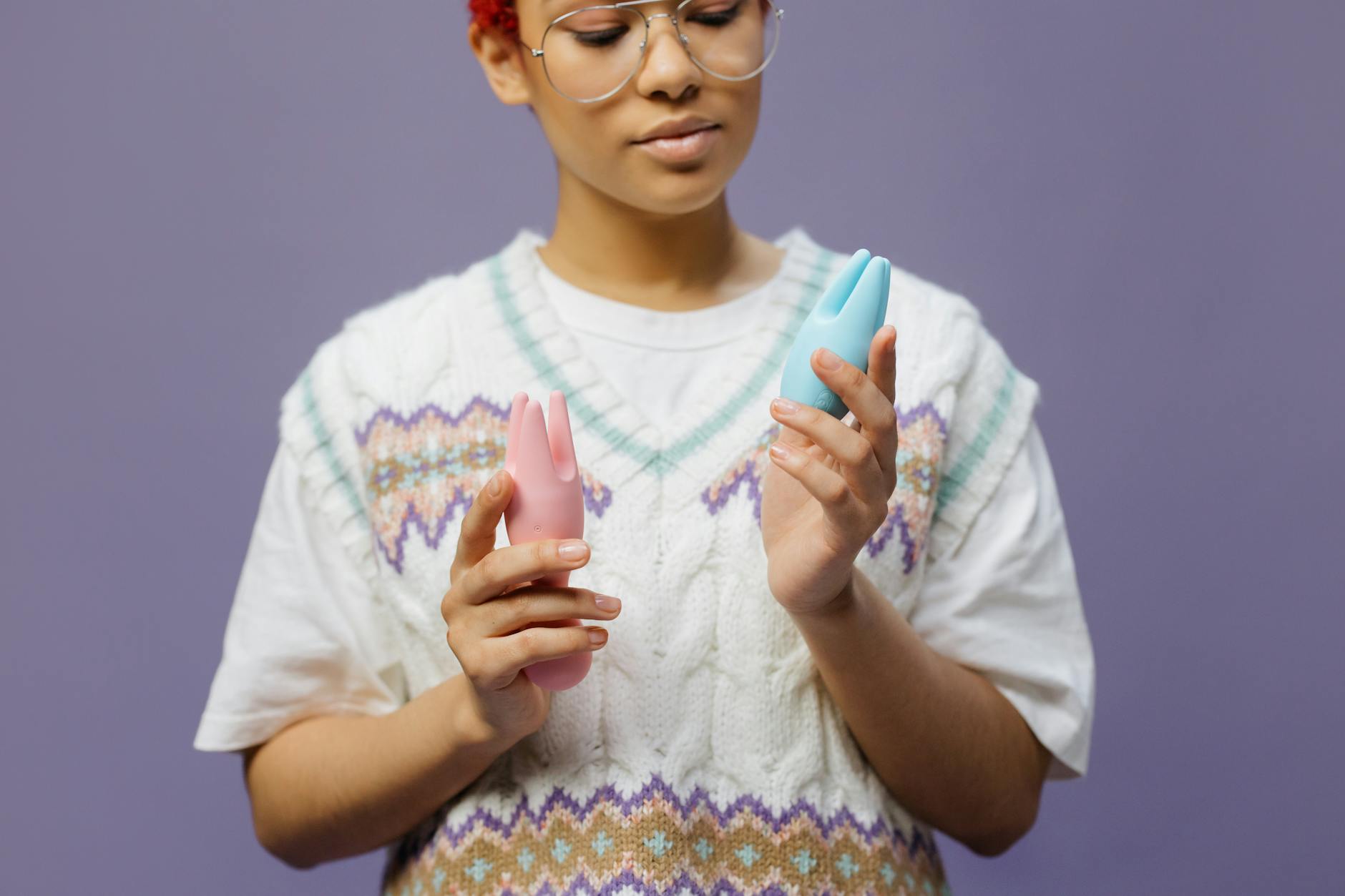
That's not a problem to solve. It's a transition to manage. And lemon clitoral vibrators exist partly for exactly this reason. They lower the activation energy of reconnection. Instead of needing everything to feel natural right away, a tool like the Lem gives you a focal point. It gives both partners something to concentrate on besides the ambient awkwardness of coming back together.
Research on couples therapy shows that reintroducing external tools during reconnection phases actually speeds up the return to baseline intimacy. The tool becomes permission. "We're trying something new" is easier to navigate than "Why don't I feel what I used to feel?"
The three phases of reconnection
Phase one: Non-sexual touch (the first week).
This is the hardest phase to not skip. When you've been apart, the impulse is to rush straight to sex to prove the connection still exists. Resist this. Spend time with non-sexual touch. Hands on arms, foreheads close, sitting together. Your nervous systems need to reregister each other. Three to five days of this matters more than you'd expect.
Phase two: Introduction of sensation (week two).
Once non-sexual touch feels grounded again, introduce a lemon vibrator in a low-pressure context. Not during sex. Separate from sex. Maybe during a bath. Maybe during lounging. Use it on yourself first, so your partner can watch without it being directed at them. This is about reintroducing novelty without the expectation of performance.
Phase three: Integration (week three onward).
Once the vibrator feels normal in the space, bring it into partnered pleasure. But not as a replacement for what you used to do. As an addition. A way to build sensation differently than before.
How lemon sexual toys specifically help reconnection
Lemon vibrators work well for reconnecting couples for three concrete reasons.
First: they're intuitive. The Lem, for instance, uses air-suction technology rather than traditional vibration. There's no complicated pattern-cycling or pressure management. You press, it works. For someone who's anxious about relearning their body or their partner's body, that simplicity is enormous.
Second: they create a shared learning curve. When you're reintroducing pleasure tools, you're both exploring how to use them. That's collaborative. It's less "I remember exactly what you like" and more "Let's figure this out together." That tone shift matters psychologically.
Third: they take pressure off the partner. After time apart, there's often subtle performance anxiety on both sides. A lemon clitoral vibrator means the stimulation doesn't depend on your partner's hand, tongue, or physical endurance. They can focus on presence, skin contact, and connection without the subtext of "Am I doing this right?"
The practical steps for your first reconnection session
Talk first. Not during sex. Have a conversation outside the bedroom about what you're both nervous about and what you're both hoping for. Make it low-stakes. "I want to reconnect but I'm not sure how" is enough.
Choose a time when you're both actually free. Not rushed. Not right after work when you're both depleted. Reconnection requires presence. Schedule it like you would anything else that matters.
Start slow. Use the Lem at low settings initially. If you've been apart for months, your clitoral tissue is more sensitive than it was. Start at intensity level one or two. Your body will tell you if it wants more.
Keep lubricant nearby. After time apart, arousal takes longer to build. Water-based lubricant removes friction and makes sensation feel safer. Use it generously.
Let your partner watch or participate however feels natural. There's no right way. Some couples want full participation from the start. Others want the receiving partner to explore solo first while the other partner is present. Both are valid reconnection approaches.
What typically happens and why it's normal
Most couples report that reconnection with a lemon vibrator is less intense than they expected. The first session often feels gentle, exploratory, almost research-like. That's fine. You're not trying to recapture the height of pleasure. You're rebuilding familiarity.
Orgasm might not happen the first few times. That's extremely common when you're coming back together. The nervous system is in a higher state of alert. Pleasure requires a certain amount of neurological availability. You might not have that yet. Keep using the vibrator without making orgasm the goal. Pleasure without climax is still pleasure.
Emotional responses might surprise you. Some people cry during reconnection. Some feel vulnerable or raw. That's your nervous system processing the return to intimacy. It's not a sign anything's wrong.
When to pause and when to push gently forward
Pause if: there's pain, either person feels rushed, or either person is feeling disconnected rather than connected.
Push gently forward if: there's awkwardness (which is normal) or low-level anxiety (which usually passes once you start).
The difference is agency. Awkwardness and nervousness are part of the process. You can sit with those. Pain or feeling forced are signals to stop. Listen to those.
The emotional thread underneath all of this
Reconnection after time apart is also about trust. You're essentially saying to your partner, "I want to know your body again. I want to bring you pleasure." That vulnerability matters. For some couples, this phase becomes more intimate than they've been in years, even though the physical acts are simple.
Lemon clitoral vibrators help with this because they're not about performance. They're about presence. Use them as a tool to stay with each other, not as a solution to make things easier. That distinction sounds small but it shapes the entire experience.
FAQ: Reconnecting with lemon vibrators
How soon after time apart should we introduce a vibrator?
At least a week of non-sexual touch and conversation first. Your nervous systems need to reregister without the pressure of arousal. Then introduce the vibrator in a low-stakes context. You're not trying to speed anything up. You're building a foundation.
What if one of us is more nervous than the other?
Talk about it directly. The less nervous partner can take the lead on introducing the vibrator slowly, without pressure. Often the anxious partner needs to see their partner enjoying it first before they relax. Let the process unfold at the anxious person's pace, not the eager person's pace.
Is it normal to feel disconnected during the first session?
Yes. You've been apart. Your bodies are relearning each other. Disconnection or flatness in the first one to three sessions is extremely common. Keep showing up. Presence builds. Sensation follows.
Do we both need to experience pleasure for reconnection to work?
No. One person can experience pleasure while the other simply witnesses and supports. Some couples find that's actually easier for reconnection than mutual activity. There's no "should" here. What creates connection is what works.
What if we've been apart so long that we don't know how to touch anymore?
Start smaller than you think. Hold hands. Sit very close. Let your bodies remember proximity before you add pleasure tools. Most couples underestimate how much their nervous systems need basic non-sexual touch after separation. Give that phase time.
Should we talk during the reconnection session or stay silent?
Both work. Some couples find talking keeps them connected. Others find silence and presence are more grounding. Try both and see which one lets you both relax. There's no protocol for this. You're writing your own.
Moving forward with patience
Reconnection isn't a weekend project. It's usually a month-long process, sometimes longer. Your body needs time to trust again. Your nervous system needs consistency. Lemon sexual toys like the Lem help because they keep that consistency simple. You don't have to figure out technique. You just have to show up together.
The couples I work with who rebuild intimacy most successfully after time apart are the ones who treat reconnection as a season, not an event. Give yourself that kindness. Your body remembers your partner. Sometimes it just needs a little help finding its way back.