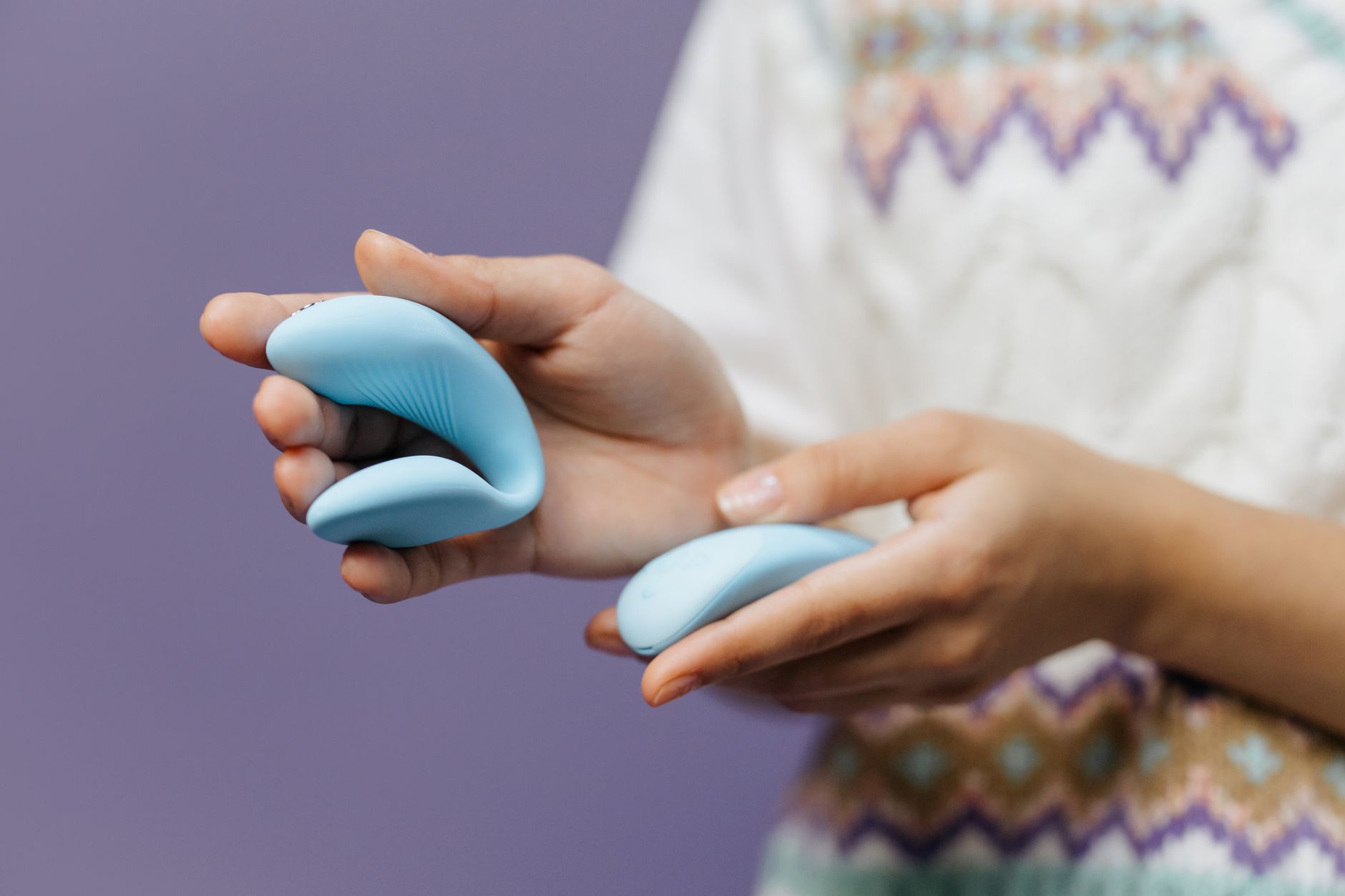
Let's talk about what's actually happening
Honestly, if your orgasms feel softer, shorter, or less intense after menopause, you're not imagining it. And you're not alone. This is one of the most common changes no one talks about clearly. The good news: it's completely reversible, and understanding the mechanics helps you fix it.
Here's what's happening physiologically and why clitoral vibrators like Lemon toys are often the fastest solution.
Why orgasm intensity shifts after menopause
Estrogen does a lot of heavy lifting in your pelvic region. It keeps vaginal tissue thick and elastic. It maintains blood flow to the clitoris. It keeps the pelvic floor muscles toned and responsive. When estrogen drops at menopause, all of that changes.
Your clitoris doesn't shrink, but the tissue around it does. Blood flow takes longer to build. The pelvic floor loses tone, which means orgasms feel less concentrated. You might notice sensations that used to peak sharply now plateau gradually. Some women describe it as "flattened" compared to how they used to feel.
But here's what doesn't change: the neural pathways. Your brain still fires. Your nerve endings still exist. The capacity for pleasure is still there. What's different is the mechanism that triggers intensity. Traditional penetration or hand stimulation might not create the same pressure or speed you need anymore.
The clitoral stimulation problem after menopause
Before menopause, many people could orgasm from fairly light touch or from penetration alone. After menopause, the clitoris often needs more direct, consistent stimulation to reach the same peak. That's not a flaw in you. That's physiology.
This is where suction-based clitoral vibrators change everything. Lemon toys use air-suction technology, which stimulates the clitoris without the kind of direct friction that can feel uncomfortable on thinner, more sensitive tissue. The suction pattern mimics the pressure and rhythm your body might have responded to in the past, but it's gentler and more reliably intense.
Many women in their 50s, 60s, and beyond report that suction vibrators like the Lemon clitoral vibrator give them the strongest orgasms they've had in decades. This isn't because the sensation is objectively "better." It's because the technology matches what your tissue actually needs now.
Understanding the sensation changes
Your orgasms might feel different in three distinct ways after menopause. Recognizing which one is happening to you helps you choose the right approach.
Slower buildup. You used to tip into an orgasm in 3-5 minutes. Now it takes 15-20. This is pure physiology: blood flow is slower, arousal cascades differently. The fix is warmup time and consistent stimulation. Lemon vibrators on a lower setting can help you build gradually without overstimulation.
Shallower sensation. The orgasm itself feels less intense, more like a ripple than a wave. This happens because pelvic floor tone has decreased and clitoral engorgement is less dramatic. Suction technology works particularly well here because it creates a concentrated pressure point that can reawaken sensitivity in that tissue.
Shorter duration. The orgasm used to last 10-15 seconds. Now it's 4-6. This is often related to pelvic floor changes. The muscles contract less forcefully, so the sensation ends faster. Multiple orgasms, or sustained stimulation, become more achievable with the right tool than with hand stimulation.
How to use Lemon vibrators for restored intensity
If you're coming to a lemon clitoral vibrator for the first time post-menopause, start differently than you might have in the past.
Begin with a longer warmup. Spend 10-15 minutes on foreplay, mental arousal, or just allowing your body to settle into the experience. Your nervous system needs time to activate the parasympathetic response that triggers arousal. Rush this, and even the best vibrator won't deliver what you want.
Start on the lowest suction setting. Yes, even if you think you want intensity right away. The lowest settings on Lemon toys are often more effective than the highest settings on traditional vibrators because suction works differently than vibration. Your tissue needs a minute to recognize and respond to the sensation.
Focus on consistent rhythm. Once you find a setting that feels good, stay with it for at least 2-3 minutes before changing intensity. Your body needs time to build arousal, and the accumulation of sensation is what creates intensity, not jumping between speeds.
The partner conversation (if that applies to you)
If you're navigating this with a partner, the most important thing is separating the conversation about your body from the conversation about your relationship. A weaker orgasm isn't a reflection of anything your partner is or isn't doing. It's a physiological shift that benefits from a different kind of stimulation.
Many partners feel relieved when they understand this, because it removes blame. And many find that using a Lemon vibrator together during partnered sex deepens the experience. You get the intensity you need. Your partner can be present and involved without carrying the pressure of being the sole source of stimulation.
The role of estrogen and when to see a doctor
If your orgasm intensity has completely flatlined despite trying different tools and techniques, it's worth checking in with a gynecologist trained in menopause. Sometimes low-dose topical estrogen cream can restore clitoral sensitivity in a few weeks. Sometimes it's a testosterone deficiency that responds to treatment.
These are simple fixes with high success rates. You don't have to accept dimmed pleasure as the price of menopause. Often the solution is straightforward once you know what's causing it.
Rebuilding your sensual relationship with yourself
Here's something I see consistently: post-menopausal people who get their orgasm intensity back often experience a deeper kind of pleasure overall. There's less pressure, less performance anxiety, more presence. You might find that you actually enjoy the slower buildup because it gives you time to arrive mentally as well as physically.
Using a lemon clitoral vibrator isn't a workaround. It's an upgrade. Your tissue has changed, yes. But your capacity for pleasure hasn't disappeared. It's just asking for a different approach.
FAQ: Orgasms and lemon vibrators after menopause
Why do orgasms feel less intense after menopause if the nerve endings are still there?
Nerve endings survive menopause, but the tissue around them changes. Lower estrogen means thinner vaginal tissue, less blood flow to the clitoris, and weaker pelvic floor tone. These changes affect how quickly sensation builds and how forcefully your muscles contract during orgasm. The neural capacity is intact, but the physical mechanisms that create intensity are altered. Clitoral vibrators bypass some of these mechanical barriers by providing direct, consistent stimulation that doesn't rely on your tissue's elasticity or muscle tone.
Can I get back the intensity I had before menopause?
Yes, often completely. Many women report equal or stronger orgasms after menopause once they find the right approach. Suction-based vibrators like Lemon toys are particularly effective because they provide consistent pressure without depending on your tissue to respond in the old ways. Some women also find that hormone replacement therapy, topical estrogen, or testosterone therapy helps restore sensation if they want medical support alongside devices.
How long does it usually take to feel a difference with a lemon clitoral vibrator?
Most women notice a shift within the first 3-5 uses. If you're starting with lower intensity and building gradually, your tissue is learning to respond to this new kind of stimulus. By the second or third week of regular use, most people find that arousal builds faster and orgasms feel noticeably more intense. Consistency matters more than frequency. Using a vibrator twice a week regularly is more effective than sporadic use.
Should I use additional lubrication with a lemon clitoral vibrator after menopause?
Yes. Even if you don't need it for comfort, a small amount of water-based lubricant can amplify sensation. Thinner tissue after menopause can feel overstimulated by direct contact, but lubrication creates a smoother glide and can actually increase sensitivity to the suction sensation. It also prevents any friction that might feel rough on delicate tissue. Use a tiny amount and add more if needed as you go.
Is it normal for orgasms to feel different in texture after menopause, not just weaker?
Completely normal. Orgasms after menopause often feel less "explosive" and more localized, or the rhythm might change. You might feel more of a persistent sensation rather than sharp contractions. These texture changes are because pelvic floor muscle tone has shifted and the clitoral structure has changed slightly. This doesn't mean something is wrong. It means your baseline has shifted, and pleasure tools that work with that new baseline (like suction vibrators) often feel more satisfying than trying to recreate the old sensation.
Can menopause orgasm intensity come back if I use hormone replacement therapy?
Often yes. HRT can restore estrogen levels, which helps with clitoral blood flow, tissue elasticity, and pelvic floor tone. Many women find their orgasm intensity improves significantly on HRT. But HRT isn't right for everyone, and some women prefer not to take it. The good news is that even without HRT, clitoral vibrators like Lemon toys can restore intensity independently. You don't have to choose between devices and medical treatment. They work well together if you want both.
The real story about pleasure after menopause
Menopause changes your body. It doesn't end your pleasure. It asks you to pay attention in new ways, to use tools that match your tissue now instead of how it used to be, and to let go of what worked at 35 so you can discover what works better at 55. That's not a loss. That's an evolution.
If you're ready to explore this, start with a lemon clitoral vibrator on the lowest setting, give yourself time, and see what your body tells you. Most likely, you'll be surprised by what's still possible.