Here's the thing about mismatched desire
One partner wants sex twice a week. The other wants it once a month. Or one of you is ready to go, and the other needs forty minutes of buildup first. This is not a failure of the relationship. It's also not something you can fuck your way out of (pun intended). What it actually is: a logistics problem dressed up as an intimacy crisis.
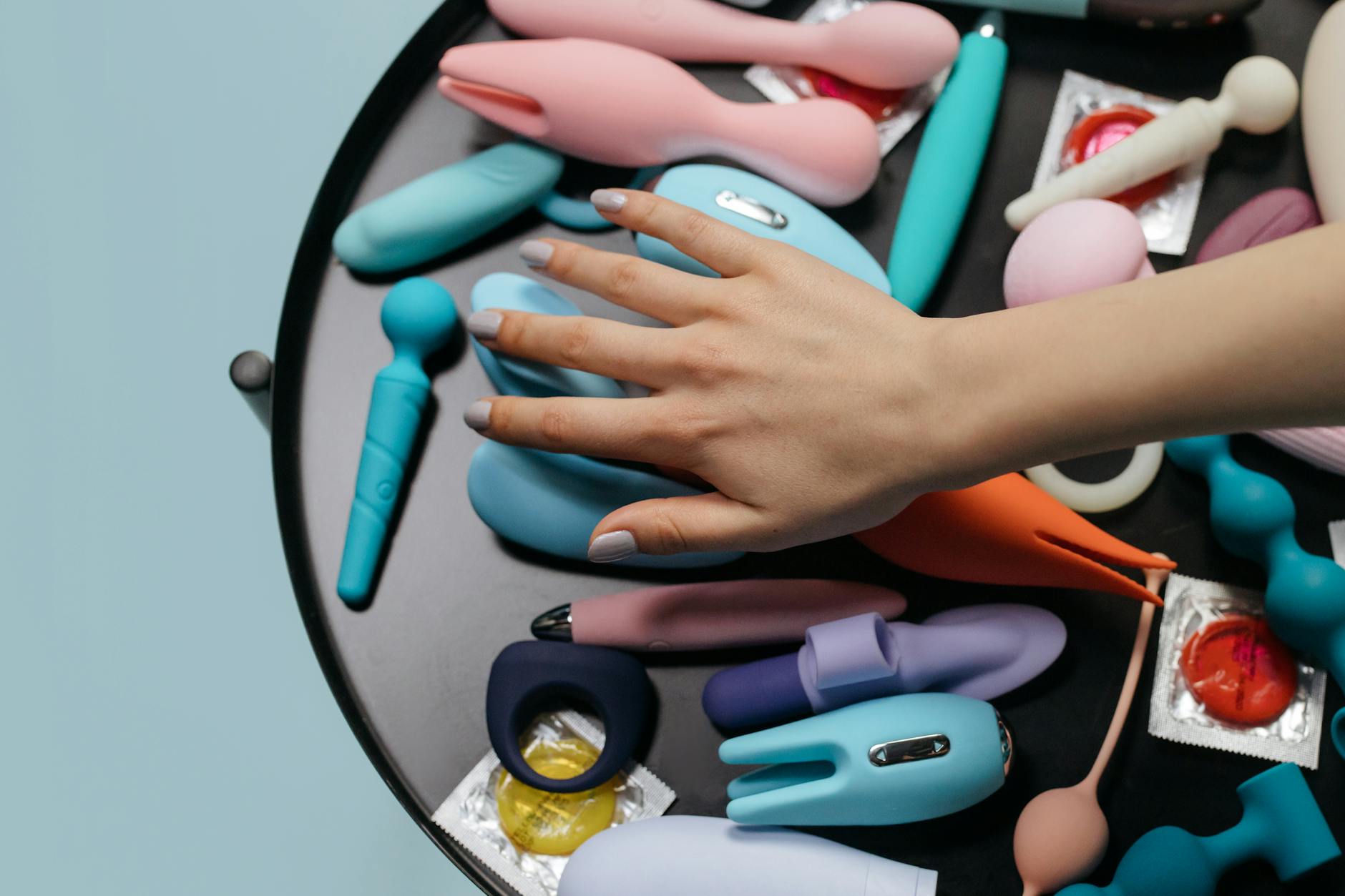
Most couples with mismatched desire end up in one of two bad places. Either the higher-desire partner feels rejected and starts resenting the other. Or the lower-desire partner feels pressured and shuts down completely. Neither of you gets satisfied. Both of you feel blamed. A clitoral vibrator like those from Lemon Sexual Toys won't solve the actual mismatch, but it can completely change how you navigate it together.
The myth that vibrators make things worse
I hear this constantly in my therapy room: "If I bring in a vibrator, won't my partner think I'm not satisfied with them?" Yes, absolutely. But only if you frame it that way. And that's on you, not on the vibrator.
Here's what vibrators actually do in a mismatched-desire situation. They separate the logistics of your pleasure from the logistics of penetrative sex. You can have an orgasm that isn't tied to your partner's availability, readiness, or stamina. That sounds selfish. It's actually the opposite. It means your partner isn't carrying the burden of being responsible for your pleasure every single time you want to be touched.
Lemon vibrators, specifically, work well here because they're designed for clitoral stimulation only. No internal component, no compromise between what you need and what your partner wants to do. You know exactly what you're getting.
Why desire mismatch happens (and why it's not about love)
Three major drivers that have nothing to do with attraction:
Stress, hormones, and life stage. If one of you is working sixty-hour weeks while the other has more availability, desire doesn't magically sync. If one partner is managing hormonal birth control and the other isn't, their baseline libido may be genuinely different. If one of you is dealing with depression, caregiving stress, or grief, sexual desire often tanks. None of these are about not loving your partner.
The second thing: speed and consistency of arousal. Some people are wired to want sex spontaneously. Others need mental space and physical preparation first. A quick check-in: "Do you want sex more often, or do you want sex to feel better when it happens?" Those are completely different problems. A vibrator helps with the second one. The first one needs conversation and sometimes compromise on frequency.
The third: you might actually want the same amount of sex, but one of you has built up so much resentment from the past six months that it feels like a bigger gap than it is. That one needs repair work before any toy can help.
The conversation you need to have first
Let's be clear: introducing a Lemon vibrator without talking about the desire mismatch is just... conflict with extra steps. Here's how to start.
Separate the frequency question from the satisfaction question. "I notice we're not on the same page about how often we have sex. I'm not blaming you. I also don't want to resent you. Can we talk about what would actually help?" That's different from "I need you to want me more."
Then: "I've been thinking about ways to take pressure off both of us. I'm interested in exploring a vibrator on my own sometimes, or with you, depending on what feels good. This isn't about you not being enough. It's about me taking responsibility for my own pleasure." That lands differently than "Our sex isn't working."
The key is ownership. You're not asking your partner to fix your desire. You're saying: I'm going to try something that might help me feel better, and I want you to understand why.
How to actually use a Lemon vibrator in this dynamic
If you're the higher-desire partner, solo use with a Lemon clitoral vibrator takes the edge off without turning into a negotiation. You get off, your nervous system calms down, and you're not carrying around frustration at your partner. That actually makes you more present when you are together.
Set a realistic expectation about frequency. If you've been having sex once a month and you're now having solo sessions twice a week with a vibrator, don't expect that to suddenly make you want sex with your partner more. It won't. But it will make you less resentful about the month-long gap between partnered sex.
If you're the lower-desire partner, Lemon vibrators can actually help you show up better when you do have sex together. Here's why: if you're not carrying guilt about "not being enough," you relax more during actual partnered sex. And when you relax, you feel more. When you feel more, you're more likely to want it again.
For couples who do want to use a vibrator together, the entry point is usually: one of you uses it on yourself while your partner is involved, watching, touching you elsewhere, or inside you. No replacement narrative. Just: here's another sensation we can play with.
The patterns that signal it's time to get professional help
If one of you shuts down when a vibrator is mentioned, that's not about the vibrator. That's about shame, or feeling inadequate, or something deeper about control. That needs a conversation with a couples therapist, not a toy.
If the mismatched desire is part of a bigger pattern where one partner always gets prioritized and the other always compromises, a vibrator won't fix that. It might even enable it. Same thing if resentment has built up so much that physical touch feels like obligation on both sides.
One more pattern: if one partner is using a vibrator as an escape from the relationship instead of a complement to it, that's a sign that the desire mismatch is covering up something bigger. Disconnection, infidelity fears, or just needing to talk about where the relationship is going.
The actual logistics of using Lemon vibrators alongside your sex life
Timing matters. If your lower-desire partner knows you have a vibrator and use it regularly, they may feel less pressure before sex. That can actually increase their interest. Or it might not. Either way, you're not forcing them to be responsible for your pleasure.
Lemon vibrators are also good for this because they're discreet and fast. You're not setting aside an hour. You can get off in fifteen minutes if that's what you need. That means it's less of a "statement" to your partner and more of a practical solution.
Communication check-in, maybe monthly: "How is this working for you? Do you feel less pressure? Do you feel more connected when we do have sex?" Not "Are you mad I use this?" but actual data gathering about whether the dynamic is shifting.
When desire mismatch is actually a symptom of something else
If your partner's desire dropped suddenly, or if one of you stopped wanting sex after a conflict, that's not a mismatch problem. That's a repair problem. Vibrators won't help if the real issue is unresolved hurt or a breakdown of trust.
Same thing if the desire mismatch started at a specific moment: after a move, a job loss, a miscarriage, a health diagnosis. Those moments change libido. They also change intimacy needs. You might need to rebuild what sex means to both of you before a vibrator makes sense.
If one partner is using lower desire as a way to punish the other, or if higher desire is being used to pressure or coerce, neither of you should be introducing toys right now. That needs a therapist first.
The real shift that happens
What actually changes when you introduce a Lemon vibrator into a mismatched-desire dynamic isn't the frequency of sex. It's the emotional weight. Suddenly, it's not "you don't want me" and "you're pressuring me." It's "we both get to feel good, separately and together."
Your partner watching you with a vibrator isn't about replacing them. It's about showing them that you're not going to wait around feeling resentful. You're going to take care of yourself. And paradoxically, that makes most people feel closer, not further away.
Frequently asked questions
Will using a vibrator make my partner feel threatened?
Only if you frame it as a replacement rather than a complement. The conversation is key. "I want this for me, not instead of you" sounds different from "Our sex isn't good enough." Start with vulnerability, not accusation. Most partners feel less threatened once they realize it actually reduces pressure on them.
Can we use a Lemon vibrator together if we have mismatched desire?
Absolutely. One partner using a vibrator while the other is engaged (touching elsewhere, penetrating, or just being present) can actually be hot and helps both of you feel more connected. It's not about one person getting off while the other watches in silence. It's about expanding what "sex" means for both of you.
What if my partner thinks I shouldn't need a vibrator?
That's a belief conversation, not a vibrator conversation. Some people grew up thinking vibrators were shameful, unnecessary, or a sign of a broken relationship. Those are worth unpacking. If your partner is refusing to engage with the idea at all, that resistance might point to deeper insecurity or control issues worth addressing with a therapist.
How often should I use a Lemon vibrator if my partner wants sex less than I do?
There's no "should." Some people use vibrators a few times a week. Others a few times a month. The goal isn't to replace partnered sex. It's to take the desperation edge off so you're not constantly negotiating or resentful. If you're using a vibrator more than you're having sex with your partner, that might signal that the mismatch is bigger than a toy can solve.
Does using a vibrator mean I should want sex more often?
No. A vibrator isn't a hack to increase your libido. It's a way to take care of yourself without making your partner responsible for your pleasure. If your lower-desire partner uses a vibrator and suddenly wants sex five times a week, that's great. If nothing changes, that's also fine. The goal is reducing resentment, not fixing the mismatch.
What if my partner wants to use a vibrator too?
Then you both get to feel good. Some couples mirror each other's practice. Others have completely different relationships with vibrators. There's no "right" way. The only rule is honesty about what you're doing and why.
The bottom line
Desire mismatch doesn't mean your relationship is broken. It means you're human. One of you is wired differently. One of you is stressed, or on birth control, or recovering from something, or just genuinely doesn't want sex as often. That's not a failure.
Lemon Sexual Toys can't fix a mismatch rooted in resentment or shame. But they can give you both permission to take responsibility for your own pleasure instead of making it your partner's job. And that, more than anything, is what actually helps couples with mismatched desire stop keeping score and start connecting again.