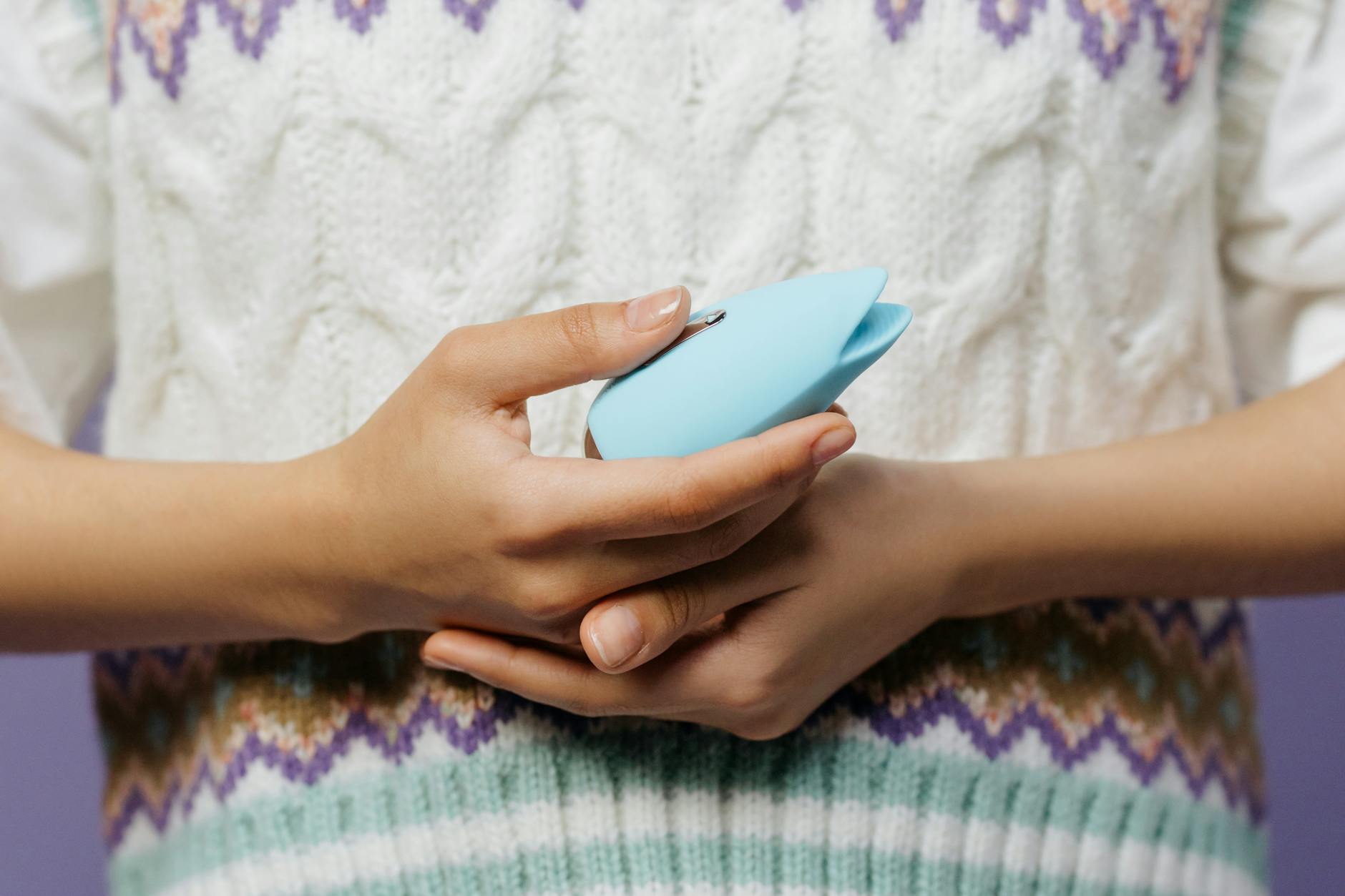
The clitoris changes shape and texture over time
Here's what nobody really talks about: your clitoris isn't the same at thirty as it was at twenty-five. And it's definitely not the same at forty or fifty. Tissue thins. Elasticity shifts. The whole structure becomes more delicate, especially if you've gone through hormonal changes like menopause, come off birth control, or simply aged.
This isn't damage. It's not a problem. But it does mean that whatever worked five years ago might feel uncomfortable now.
The good news? Delicate tissue doesn't mean the end of pleasure. It means you get to use different tools, and some of those tools (like lemon vibrators) actually deliver more intense sensation with less mechanical stress.
Why friction-based vibrators stop working as well
Most traditional vibrators work by moving back and forth or side to side. That's direct friction. When tissue is thicker and more resilient, friction feels amazing. But when epithelial tissue thins, that same friction can feel raw, irritating, or even painful.
You might notice it first as a burning sensation. Or everything just feels too intense, like the vibrator's working at full power even on the lowest setting. That's not you being broken. That's tissue that needs a different kind of stimulation.
Air-suction toys like Lemon clitoral vibrators work on a completely different principle. Instead of vibrating or moving, they create a gentle pulse of suction. Think of it like someone softly kissing your clitoris over and over, rather than rubbing it. The sensation is indirect, which means less mechanical pressure but somehow more sensation reaching the nerve endings.
The anatomy that explains why suction works better
Your clitoris has about eight thousand nerve endings concentrated in a space smaller than a pea. When tissue is delicate, those nerves sit closer to the surface. Traditional vibration stimulates through friction. Air-suction stimulates through pressure change, which activates different neural pathways.
For people with thinner tissue, this matters wildly. The nerves respond better to suction because it doesn't require the tissue itself to absorb the stimulation. It's happening to the tissue, not through it. Less mechanical wear. More nerve activation.
Research on air-pulse technology (the formal name for what lemon sexual toys do) shows that this approach works particularly well for people who have reduced elasticity from hormonal shifts, aging, or medication.
How lemon vibrators specifically help fragile tissue
Lemon clitoral vibrators use air-suction stimulation, which means they're naturally gentler on delicate anatomy. But the design also matters. The curve and the opening of a Lemon toy are engineered so the suction centers on the clitoral head without creating a seal that's too aggressive.
Here's the practical difference when you're using one:
Lower intensity actually feels more intense. With friction vibrators, you need higher speeds to feel anything. With lemon vibrators, pattern 1 or 2 often feels stronger than a medium-speed friction toy because the suction is creating a novel sensation your body hasn't gotten used to.
No sliding required. Some people with delicate tissue find that any back-and-forth motion feels uncomfortable. Lemon vibrators stay in place while the suction does the work. You position it, and sensation happens without movement.
Less redness or irritation after. Friction-based toys can leave skin looking inflamed even when it doesn't hurt during use. Suction toys don't have this effect because there's no rubbing.
Arousal builds faster. Without the mechanical irritation creating a barrier between you and the sensation, your nervous system can focus on pleasure instead of protection.
Starting with fragile tissue: the practical steps
If you're new to lemon vibrators or if your tissue is particularly delicate, here's how to build confidence and sensation.
First session: just patterns, lowest setting. Don't worry about intensity. Spend ten minutes exploring how the suction feels at each pattern level. Patterns often create a rhythm that friction can't, and your body learns to anticipate it. That anticipation builds arousal in a way steady vibration doesn't.
Second session: add lubrication. Even with suction toys, a water-based lubricant helps the toy glide into place and deepens sensation. It's not because you're dry (though you might be). It's because lube creates a better seal for the suction to work, and it gives the toy a more comfortable feel against delicate skin.
Third session: try the longer patterns. Lemon vibrators have different rhythms, not just different speeds. Some feel like a heartbeat. Some feel like waves. Longer patterns often feel less intense because they have moments of release, which is perfect for sensitive anatomy.
Week two: play with positioning. The angle the toy sits at changes everything. Directly on the clitoral head is most intense. Slightly off to the side is gentler. Above the clitoris, with suction pulling down, feels completely different. You're not looking for the "right" way. You're mapping what your tissue likes right now.
When fragile tissue means you need extra support
Sometimes delicate tissue is just aging or hormonal. Sometimes it's a sign of something that needs treatment. If you're experiencing pain (not just discomfort, but actual pain), dryness that lubricant doesn't solve, or tissue that looks visibly inflamed, talk to a gynecologist.
Genitourinary syndrome of menopause (GSM) is common and totally treatable. So is lichen sclerosus or other conditions that thin tissue. Getting evaluated isn't admitting defeat. It's giving yourself the best setup for pleasure.
Topical estrogen cream works brilliantly for some people. Testosterone creams work for others. A few sessions with a pelvic floor physical therapist can change how your tissue responds. All of these things work alongside lemon vibrators, not instead of them.
Rebuilding confidence when sensation changes
Fragile tissue often comes with a story. Maybe you feel less sexy. Maybe you're worried you're broken. Maybe you're grieving the way your body used to work.
Let me be direct: using lemon sexual toys with fragile tissue isn't a compromise. It's an upgrade. You get to use technology designed specifically for delicate anatomy. Most people never get that. You're getting access to something that actually works better for your current body, not a watered-down version of what used to work.
If you're with a partner, this is a good moment to reconnect. Lemon vibrators feel different, which means everything feels new again. There's novelty in the sensation. There's something unexpectedly intimate about learning your own body's preferences all over again at a different life stage.
The reality of fragile tissue and long-term pleasure
Fragile clitoral tissue doesn't get worse with use. It actually gets better. Your nervous system adapts. Your tissue gets slightly more resilient with regular, gentle stimulation. Lemon vibrators are particularly good for this because the suction never creates the kind of micro-tears that friction can.
So using them isn't a temporary solution while you wait for your body to "get better." It's a better match for your current anatomy. And as you use them, your tissue often becomes more responsive, not less.
Your pleasure matters at every stage of your life. Fragile tissue is just your body's way of asking for a different tool. Lemon clitoral vibrators deliver exactly that.