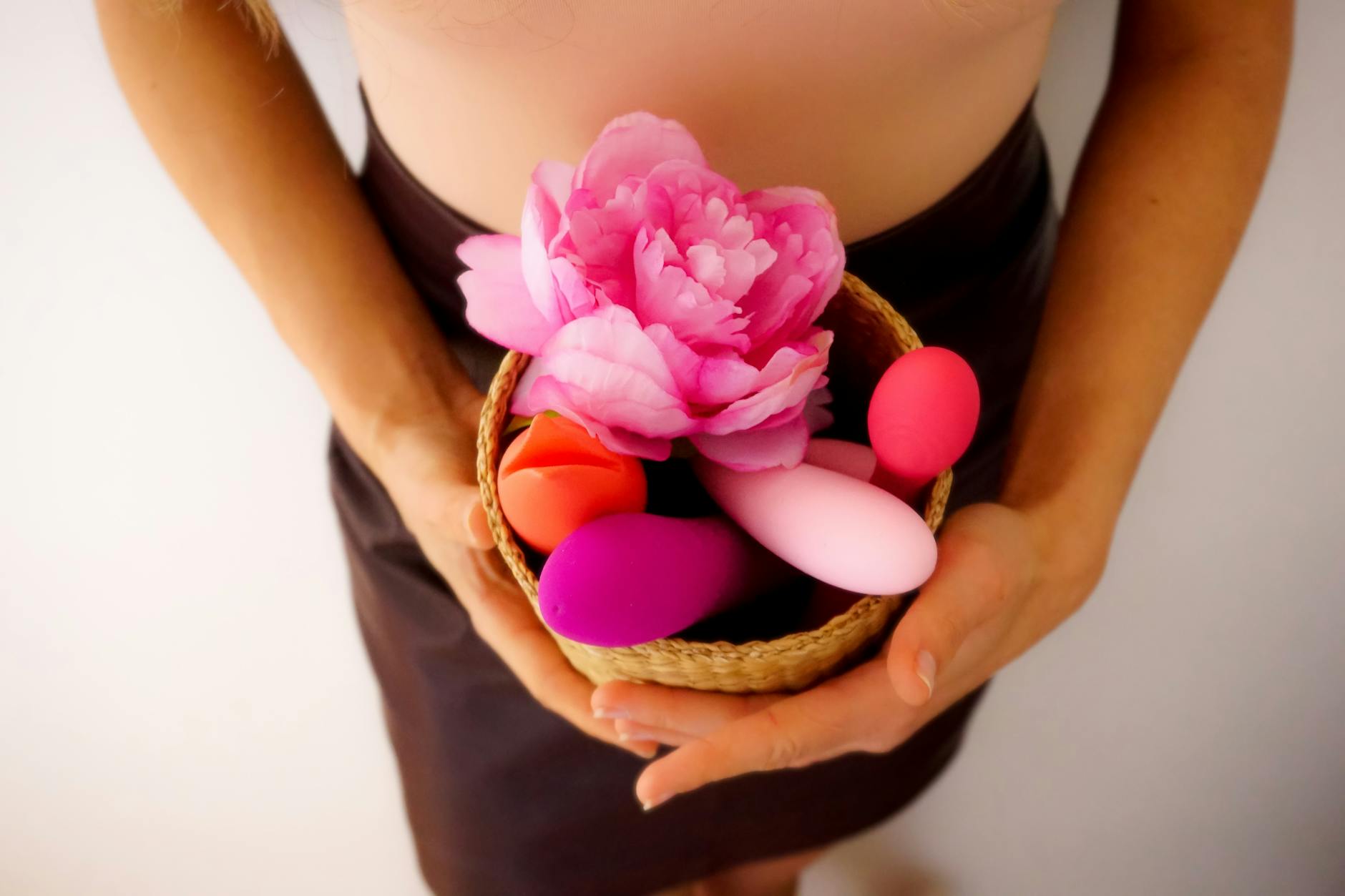
Here's what nobody tells you about your cycle and pleasure
Your clitoris doesn't have a static sensitivity setting. Every week, your hormones are rewriting how it responds to touch. The intensity you enjoyed on day 10 might feel overwhelming on day 24. This isn't a sign something's wrong. It's how your body actually works.
Most people think pleasure should be consistent. It isn't. And once you stop fighting that reality and start working with it, using lemon vibrators becomes infinitely easier.
The science of cyclic sensitivity shifts
Estrogen and progesterone don't just control your period. They physically alter how many nerve receptors activate in your clitoris and how quickly your nervous system responds to stimulation. Research shows clitoral sensitivity actually peaks twice during your cycle, but not at the same intensity both times.
During your follicular phase (days 1-13, roughly), estrogen is rising. Your clitoris becomes more engorged with blood. Sensation builds more easily, and you recover faster between stimulation. This is when you can usually handle higher intensity without discomfort.
During ovulation (day 14, give or take), you hit peak estrogen and peak sensitivity. Your vulva is slightly more swollen. You might orgasm faster or more intensely. Many people report this is when they achieve multiple orgasms most easily.
The luteal phase (days 15-28) is different. Progesterone rises, which can make direct stimulation feel either more intense or duller, depending on your body. Some people find their clitoris becomes hypersensitive during PMS. Others go numb. Neither is abnormal.
Phase one: Follicular sensitivity and building arousal
From menstruation through ovulation, your clitoris has more blood flow and your nerve endings are primed for stimulation. Your threshold for sensation is higher. This is your window for exploring intensity.
With lemon vibrators during this phase, start on setting 4 or 5 instead of 1 or 2. Your tissues can handle it. Warm-up time shortens to 5-10 minutes instead of the 15-20 you might need later in your cycle. You'll notice you recover between sessions faster too. Some people can orgasm twice in succession during this phase without needing much rest.
The follicular phase is also when many people explore partnered sensation. If you're using a lemon clitoral vibrator with a partner, this is an ideal time to experiment with intensity or longer sessions because your body has more buffer against overstimulation.
One practical note: bleeding itself changes sensation. For the first 3-4 days when flow is heavier, direct clitoral contact might feel uncomfortable or numbing. Some people prefer indirect stimulation (vibrating against the mound above the clitoris rather than directly on the glans). Give yourself permission to go lighter or take a break entirely. Your pleasure matters, and forcing stimulation you don't want isn't the goal.
Phase two: Ovulation and peak pleasure window
Ovulation is your sensitivity sweet spot. Estrogen peaks, progesterone hasn't risen much yet, and your clitoris is maximally responsive. This 2-3 day window is when you might achieve your fastest, most intense, or most frequent orgasms.
Here's the practical shift: you can often use the same intensity you used during early follicular but achieve it faster. Many people report needing less warm-up time. Some discover they can explore new intensity levels they weren't ready for before.
If you're tracking your ovulation (even loosely, through noting cervical mucus or using an app), plan any clitoral vibrator exploration or partnered pleasure during this window. This is when using lemon vibrators at slightly higher settings often feels best without the risk of overstimulation.
Keep lube nearby though. Even though blood flow is high, some people's natural lubrication plateaus right around ovulation. Using a water-based lube with a clitoral vibrator keeps everything comfortable and lets you focus on sensation instead of friction.
Phase three: Luteal hypersensitivity and the slowdown
After ovulation, progesterone rises. The sensitivity script flips. Your clitoris has less blood flow. Your nerves are more reactive to the same stimulus but in a different way. Many people describe it as "rawer" or "sharper" rather than "deeper."
This is when I recommend dropping intensity 1-2 settings from what you used during ovulation. If you were using level 5 during ovulation, try level 3 or 4 during your luteal phase. The same stroking pattern might now feel too intense. You might need more rest between sessions.
Here's the thing that surprises people: some folks find their most intense orgasms happen during the late luteal phase, right before their period. That hypersensitivity can feel amazing for about a week, then unbearable by the time bleeding starts. This is completely normal. Your nervous system is literally heightened.
If hypersensitivity makes direct clitoral stimulation unpleasant, try indirect stimulation through underwear or with the vibrator positioned against the mound instead of the glans. Or use the lowest setting on your lemon vibrator and add time instead of intensity. Longer, gentler sessions feel completely different than short, intense ones.
Tracking what actually works for your body
You don't need an app to do this. A simple pattern: notice which lemon vibrator settings feel good each week, and jot it down. "Week 1: levels 4-5, fast warm-up, multiple orgasms easy." "Week 3: level 2, need longer foreplay, more intense but fewer." After two cycles, you'll see your personal rhythm.
Then you stop treating your changing sensitivity as a failure. You're not broken. You're reading your cycle and matching your vibrator use to where you actually are.
Managing hypersensitivity without avoiding pleasure
If certain days make direct clitoral contact feel raw or burning, you have options. Water-based lubrication changes the sensation profile completely. Adding fabric between the vibrator and your skin (underwear, a thin cloth) can diffuse intensity. Or drop to the gentlest setting and extend the session. Gentle, sustained stimulation feels nothing like high-intensity brief contact, even at the same frequency.
Some people find that when hypersensitivity hits, their preference shifts toward longer warm-up and slower build toward orgasm rather than the sharp peaks they enjoy mid-cycle. Honor that. Your pleasure doesn't have to look the same every week.
When cycle-linked sensitivity indicates something else
Most cyclic sensitivity variation is normal. But if sensation changes feel sudden, sharp, or accompanied by pain, that's worth mentioning to a healthcare provider. Certain conditions like endometriosis or vulvodynia can make sensitivity feel erratic across your cycle in ways that need different support.
Similarly, if you're on hormonal birth control, your sensitivity pattern will look different because your hormones aren't fluctuating naturally. Many people on hormonal contraception report more consistent (sometimes lower, sometimes higher) sensitivity throughout their cycle. Some find their pleasure actually increases because the hormonal rollercoaster quiets down.
The bigger picture: pleasure that honors your body
Using lemon vibrators successfully across your cycle isn't about optimization. It's about meeting your body where it actually is instead of where you think it should be. Your clitoris knows its own sensitivity. Your job is to listen.
That means having multiple intensity options available (your lemon clitoral vibrator's range helps here), being willing to adjust week to week, and trusting that the sensations that feel right today are exactly right. Some weeks you want intensity. Some weeks you want gentleness. Both are real pleasure. Both deserve your attention.
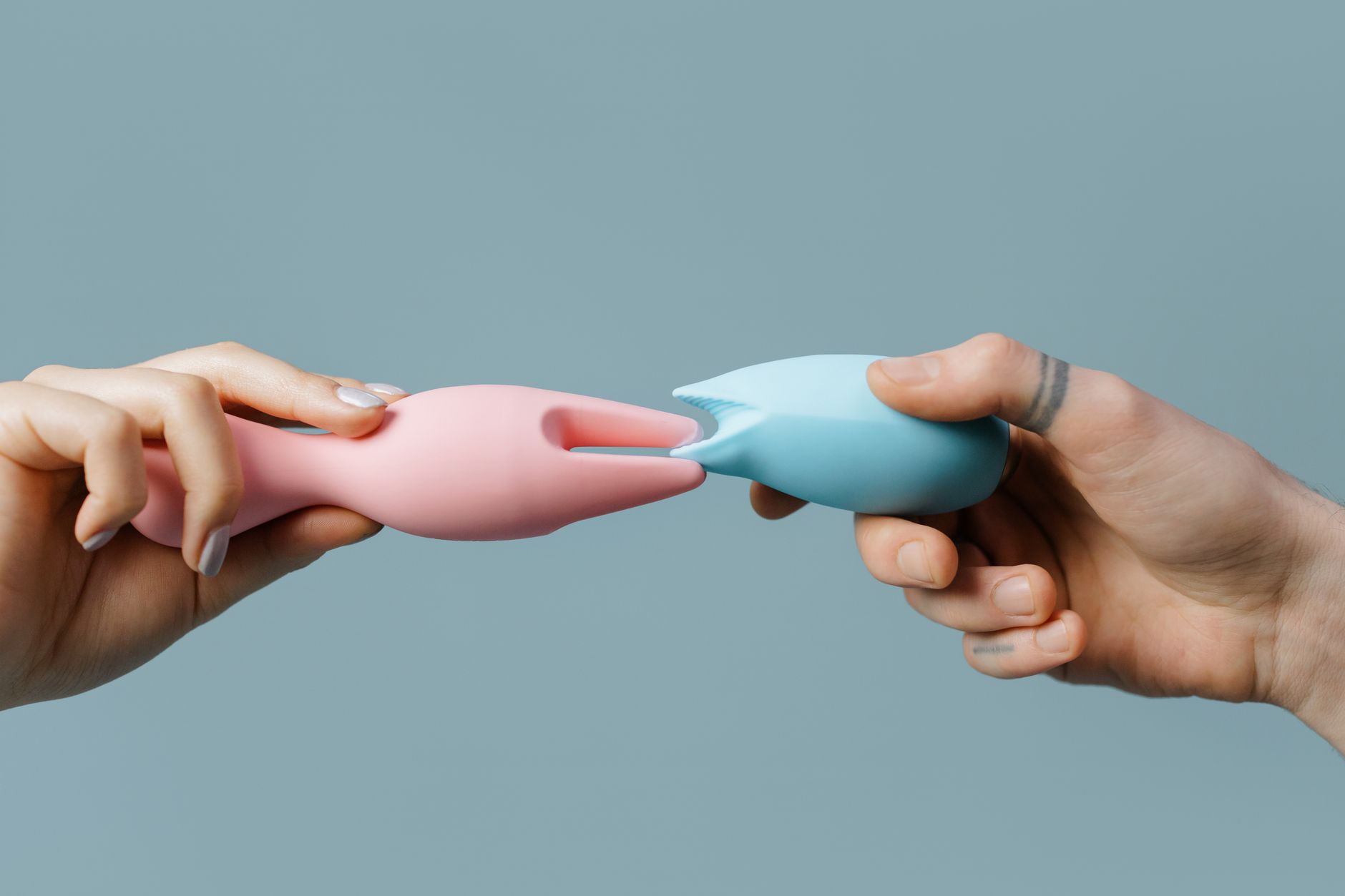
Photo by cottonbro studio on Pexels
Frequently asked questions
Why does my clitoris feel numb during certain weeks?
Progesterone can suppress blood flow to your clitoris. This is especially common in your late luteal phase (days 21-28). Numbness isn't permanent or abnormal. Warm-up time extends, and you might need lower intensity but longer duration. Some people find that adding lube helps the sensation feel present rather than distant. If numbness persists outside of your cycle or feels sharp, mention it to a healthcare provider.
Can I use the same lemon vibrator settings throughout my cycle?
You can, but you'll likely get better results by adjusting. The point of understanding your cycle is not obligation but options. If you find settings that work across all phases, that's valid. Most people discover that 1-2 weeks of their cycle have optimal settings, while others require more range. Experiment and notice. There's no "correct" way.
Does hormonal birth control change how clitoral vibrators feel?
Yes, usually. Hormonal contraception flattens your natural hormone fluctuations, so your clitoral sensitivity stays more consistent month to month. Some people report lower overall sensitivity on hormonal birth control. Others find pleasure improves because the hormonal swings that caused pain or numbness quiet down. If you switch contraception methods, give yourself a month or two to notice how sensation changes with lemon vibrators.
What if my sensitivity is unpredictable even when I track my cycle?
Stress, sleep, hydration, and illness all affect clitoral sensitivity independent of your hormones. A stressful week can suppress arousal even during your most sensitive phase. Poor sleep makes everything feel duller. Dehydration affects vulvar tissue. If you notice sensitivity feels genuinely random, look beyond your cycle. You might need more sleep, lower stress, or a conversation with a healthcare provider about whether something else is shifting.
Is it normal for my clitoris to feel hypersensitive to the point of pain?
Some hypersensitivity during your cycle is normal. Pain isn't. If direct clitoral contact causes sharp, burning, or electric pain during certain weeks, that's worth investigating with a healthcare provider. Conditions like vulvodynia or dermatitis can mimic normal cyclic sensitivity but require different support. Don't assume pain is just your cycle. Get it checked.
How do I know if I'm ovulating when tracking sensitivity?
Clitoral sensitivity peaks aren't the most reliable ovulation marker, but they're part of the picture. Cervical mucus (becomes clear and stretchy around ovulation), a slight rise in resting body temperature, or breast tenderness are more reliable. Ovulation prediction apps can help. Even rough tracking (knowing ovulation happens roughly day 14 in a 28-day cycle) gives you enough information to adjust your lemon vibrator settings.
Your cycle deserves respect
Most sexual wellness advice treats your body like a machine with one setting. You're not a machine. You're someone whose nervous system, hormones, and pleasure capacity shift in predictable ways across your cycle. Working with that instead of against it transforms how you experience pleasure. Your lemon vibrator is a tool. Your awareness of your own cycle is the actual superpower.