
Let's talk about what low libido actually is
Low libido isn't laziness. It's not a personal failing. It's your body telling you something is off balance, and the honest truth is that ignoring the message doesn't make it go away.
Here's what I've learned from years of working with couples: libido isn't some fixed trait you're born with. It's responsive. It dips when you're stressed, when you feel disconnected, when your nervous system is fried, when hormones shift, when you're not sleeping, or when you've spent years prioritizing everyone else's needs. It comes roaring back when safety returns, when you feel truly seen, when your body gets what it needs.
The problem is most advice treats low libido like a switch to flip. It's not. It's more like slowly turning up the heat on a stove that's been off for months.
The actual culprits behind desire loss
Before we get into solutions, let's be clear on what's usually happening.
Chronic stress is the biggest libido killer I see. When your nervous system is stuck in fight-or-flight mode, your body deprioritizes pleasure. That's not a bug, that's a survival feature. Your brain is saying: threats first, sex later.
Emotional disconnection runs a close second. You can't manufacture desire for someone you don't feel safe with, and safety comes from feeling emotionally attuned to each other. If you're in a relationship where you're managing conflict instead of resolving it, or where intimacy has become transactional, desire just evaporates.
Sleep deprivation and exhaustion absolutely wreck libido. I talk to so many people who are running on fumes and then wonder why sex sounds like another obligation. Your body can't want pleasure when it's desperate for rest.
Hormonal changes matter too. If you're on certain medications, dealing with thyroid issues, navigating perimenopause, or recovering from pregnancy, hormones are real players. So is birth control, antidepressants, or blood pressure medication.
Boredom and predictability kill desire in longer relationships. Sex follows the same script every time, the foreplay is always the same length, nothing feels surprising or novel. Over time, that flatness kills arousal before it even starts.
Why Lemon vibrators work differently for rebuilding desire
Here's where clitoral vibrators like those from Lemon Sexual Toys come in, and it's not what you might think.
Lemon vibrators don't force desire. They create a low-pressure space where your nervous system can downshift and remember what pleasure actually feels like. That matters because when you've been running on empty for months or years, your arousal pathway gets quiet. You forget what turned you on. Your body forgets how to respond.
The genius of air-suction clitoral vibrators like the Lem is that they work with your body's response, not against it. Instead of the jackhammer intensity of traditional vibrators, which can feel overwhelming when you're already touched out or overstimulated, air-suction technology creates a gentler, more curiosity-based sensation. It's like asking your clitoris a question instead of demanding an answer.
That distinction matters when you're rebuilding desire. Pressure works against you. Exploration works with you.
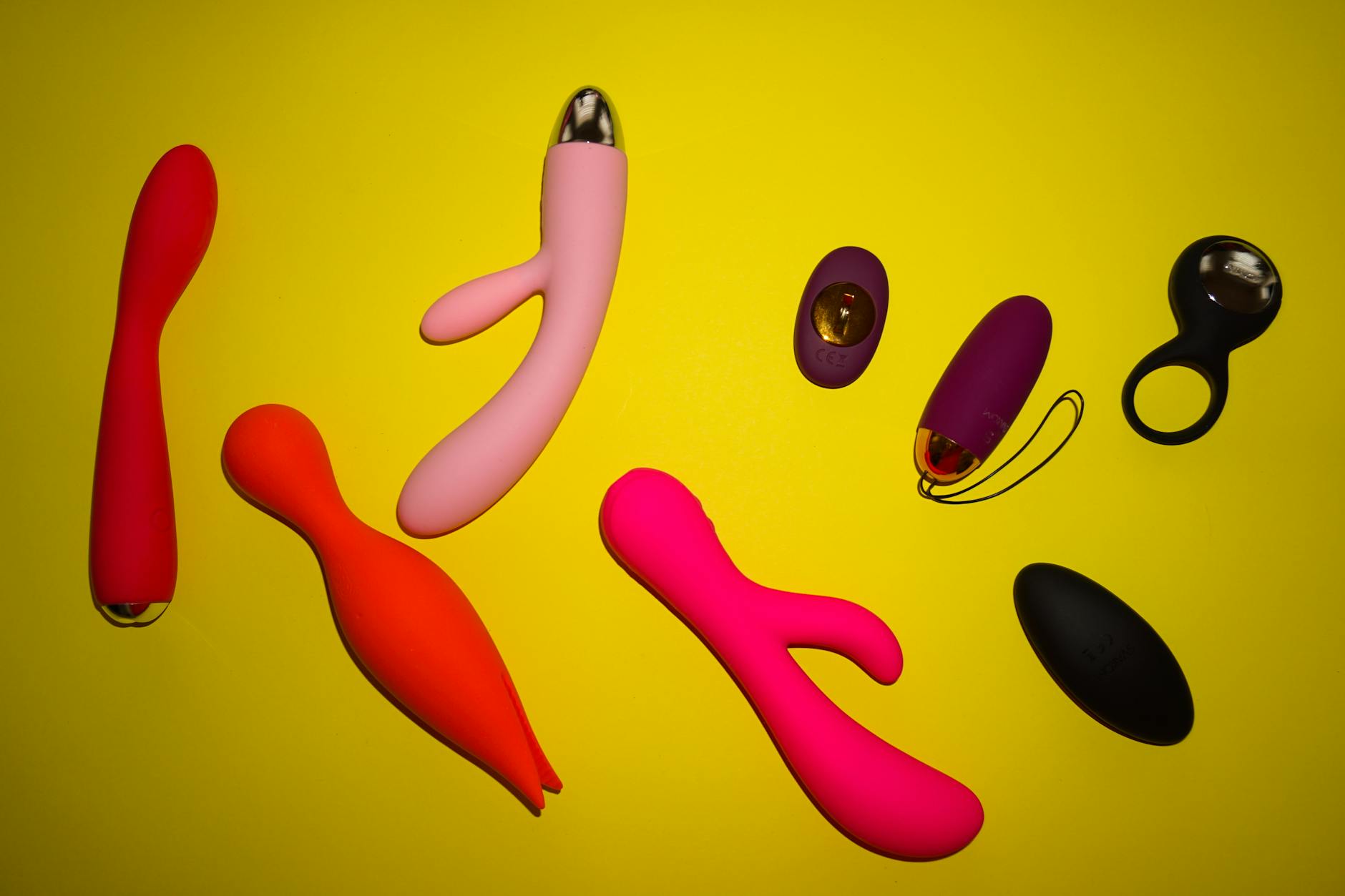
Photo by FounderTips on Pexels
How to actually restart arousal with a Lemon vibrator
The approach is radically different from what most people expect.
Start solo, not partnered. This is key. When you're rebuilding desire, you need zero performance pressure. You're not trying to come fast or look a certain way. You're exploring what your body remembers. Use the Lemon vibrator alone, without a goal in mind. No finish line. Just sensation.
Begin with the lowest settings. The Lem has multiple intensity levels. Start at 1 or 2. Seriously. Your body needs to remember gentle stimulation first. Fast and intense comes later, if you want it.
Give yourself 15-20 minutes minimum, with no clock-watching. Desire needs time to build when it's been dormant. Your nervous system needs permission to relax. The Lemon vibrator works best when you're genuinely present, not rushed.
Reframe the goal. You're not trying to have an orgasm. You're trying to feel something. Curiosity. Warmth. A tingle. Anything. Orgasm is a bonus, not the whole point. This changes everything about the experience because now you can't fail.
Notice what you actually enjoy. As you explore with the vibrator, pay attention to what patterns feel best. Do you like slow, steady pulses? Rhythmic building? Constant suction? What part of your clit responds most? This is information your body is giving you. Write it down if it helps.
Reconnecting desire in a relationship context
Now here's where it gets more complex, because low libido affects partners, and partners have needs too.
If you're in a relationship and your desire has flatlined, the first conversation isn't about sex. It's about safety, exhaustion, and feeling seen. Your partner needs to understand that low libido isn't rejection of them. It's often a sign that something in your life is unsustainable.
Then, when you're ready to explore pleasure again, introduce the idea of using a Lemon vibrator together. Not as a fix for the problem. As a new way to explore together. Some couples find that watching their partner use a vibrator, or incorporating it into foreplay, actually rebuilds that sense of novelty and curiosity that low libido had erased.
The key is consent and communication. This isn't about pressure. It's about trying something different because what you've been doing isn't working.
What actually takes time
Here's the part people don't want to hear: rebuilding desire takes weeks, sometimes months. It's not a quick fix.
Your nervous system doesn't just shift because you bought a new toy. But what you're doing is creating the conditions for desire to return. You're removing pressure. You're giving yourself permission to explore without judgment. You're separating pleasure from performance.
Some people find that after a few weeks of solo exploration with a Lemon vibrator, desire starts creeping back. Not because the vibrator is magic, but because they've given their body a chance to remember what pleasure feels like in a low-pressure context.
Others find it takes longer, and that's okay too. The point isn't to rush back to where you were. The point is to actually address what killed desire in the first place.
When to get help
If low libido persists even after you've addressed stress, sleep, and emotional connection, talk to a doctor. There's no shame in this. Hormonal imbalances, thyroid issues, and medication side effects are real, and they're treatable.
If you're in a relationship and your partner is struggling with the mismatch between your desire and theirs, couples counseling isn't a sign of failure. It's a tool for learning how to navigate this together without resentment building up.
Rebuild desire at your own pace. Your body, your timeline.
People also ask
Can a Lemon vibrator actually increase libido or just provide temporary pleasure?
Lemon vibrators don't chemically increase libido. What they do is create a low-pressure environment where arousal can happen without performance anxiety. When you use one regularly and start noticing pleasure again, your brain gets a signal that sex is enjoyable, not another obligation. That signal can gradually shift how you approach desire. It's not magic, but it's also not nothing.
How often should I use a clitoral vibrator if I'm trying to rebuild desire?
Start with 2-3 times a week, 15-20 minutes per session. This gives your nervous system regular signals that pleasure is available without creating another "should" on your to-do list. Some weeks you'll want to use it more, some weeks less. Listen to what your body actually wants, not what you think you're supposed to do.
Is it normal to not feel much sensation when using a Lemon vibrator if my libido is very low?
Completely normal. When desire has been dormant for a long time, sensation can feel muted. Your body isn't broken. It's just quiet. Keep the expectations low, keep showing up, and sensation usually comes back. It takes time for your nervous system to remember how to respond.
Should I tell my partner I'm using a vibrator to rebuild desire, or keep it private?
That depends on your relationship and your comfort level. Some people find that solo exploration feels like a gift to themselves and their partnership, and they want to share that. Others prefer privacy while they're rebuilding. There's no wrong answer. Do what feels honest to you.
Can low libido come back if I don't use a vibrator and just focus on managing stress?
Yes, absolutely. Addressing underlying stress, getting better sleep, and improving emotional connection can bring desire back without any toy at all. A Lemon vibrator is a tool, not a requirement. It's just one option for creating the conditions where desire can return.
How do I know if my low libido is relationship-related or something else?
Pay attention to whether you feel desire for yourself (solo pleasure, attraction to others, interest in sex in theory) but not with your partner, or whether desire is gone across the board. If it's relationship-specific, that's important information. If it's gone everywhere, it's more likely hormonal, stress-related, or medical. Consider talking to a healthcare provider to rule things out.
Low libido isn't permanent. It's also not your fault. What matters is understanding what actually killed desire so you can address it, and then giving yourself time and permission to remember what pleasure feels like. A Lemon vibrator can be part of that conversation. So can rest, emotional connection, and actually telling your partner what you need. Start small. Be patient with yourself. Your body will meet you when it's ready.