The gap between solo and partnered isn't a failure
You have orgasms alone. Reliable ones. Sometimes multiple. But the moment another person is in the room, your body goes quiet. Your brain gets louder. Your threshold for sensation shifts. And suddenly you're staring at the ceiling wondering why your own hand works but theirs doesn't.
This is not uncommon. It's also not a sign that something is wrong with you or the relationship.
Why partnered orgasms feel completely different
Here's the physiology first. When you're solo, you control pressure, rhythm, location, and speed without negotiation. Your nervous system isn't tracking another person's breath, pace, or ego. Your pelvic floor stays relatively relaxed. Your brain is fully in your body instead of split between sensation and performance anxiety.
Partner sex introduces variables. Your partner has a rhythm that works for them. They may not know exactly where your most sensitive spots are. There's an unspoken expectation that you should be on a similar timeline to them. Even in the most loving relationships, a small part of your brain is still managing the interaction instead of sinking into it.
Add in the fact that many people with clits require more direct, focused stimulation than penetration alone provides, and you've got a structural problem. It's not that you're broken. It's that the standard configuration of partnered sex wasn't designed with clitoral orgasm in mind.
Why lemon vibrators specifically help bridge this gap
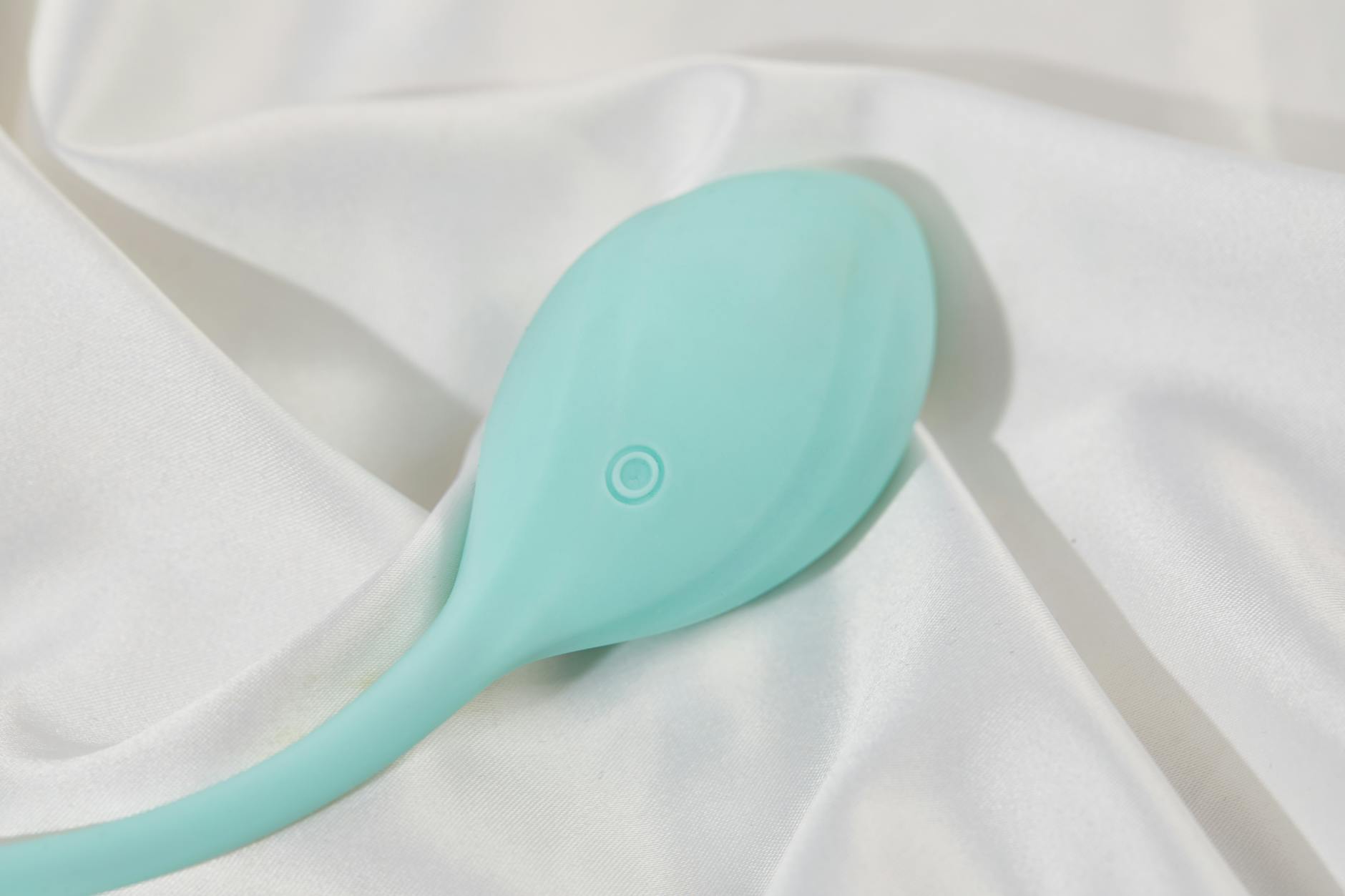
Lemon clitoral vibrators like the Lem are designed for precision stimulation. Unlike a partner's fingers or tongue, a vibrator doesn't get tired. It doesn't change rhythm. It doesn't require you to worry about their comfort or whether they're doing it right.
More importantly, lemon sexual toys give you back control while your partner is still involved. You're not choosing between solo pleasure and partnered sex. You're creating a third option: partnered pleasure where your orgasm is centered, not secondary.
The design of lemon vibrators also matters. The concentrated pulse stimulation reaches the thousands of nerve endings in your clitoris without the broad pressure that sometimes feels too intense or numbing. This precision means faster arousal, easier orgasms, and less mental effort. Your brain can stay in your body instead of drifting into performance mode.
How to introduce a lemon vibrator into partnered sex
The conversation comes before the toy.
Don't frame it as "I can't orgasm with you." That lands as failure. Instead: "I have an easier time coming with direct clitoral stimulation, and I'd love to explore that together. I'm thinking about trying something that might help us both." The shift from "something is wrong" to "here's something that could feel good" is everything.
Then actually show them. Don't hand them the toy and disappear. Demonstrate on yourself first, without pressure. Let them watch. This removes the mystery and the anxiety that they might use it wrong.
When you integrate it, start with foreplay. Use your lemon vibrator while your partner uses their hands or mouth elsewhere. The simultaneous sensation often creates a feedback loop in your nervous system that single stimulation doesn't. You're getting direct clitoral input plus broader sensation. Your body can build arousal faster.
Timing matters. Some people prefer the vibrator first, to build arousal before penetration. Others prefer it during. Some people come first with the vibrator and then have partnered sex without it. Experiment.
One thing that helps: your partner doesn't need to do anything special. They don't need to hold a specific position. They don't need to match your rhythm with the vibrator. In fact, having them stay still or go slower often helps you focus on your own sensation. You're not trying to coordinate two bodies. You're using a tool while being close to someone you care about.
The mental shift that changes everything
Honestly though, the physical mechanics matter less than this one thing: stop waiting for your body to adjust to partnered sex and start letting partnered sex adjust to your body.
For years, many of us absorbed the message that "real" orgasms come from penetration alone. That using a vibrator during sex is somehow less valid or less intimate. That needing direct stimulation means something is wrong with us or the relationship.
None of that is true. Many people need external stimulation to orgasm. Full stop. That's not a limitation. That's just anatomy.
Communication scripts that actually work
If you're nervous about bringing this up, here are sentences that have worked for real people:
"I want to explore something that might help me come during sex. Can we try this together?" Simple. Direct. Collaborative.
"My body responds best to direct clitoral stimulation. I'm not asking you to be different. I'm asking if we can use a toy together." This separates your body's needs from their performance.
"I have amazing orgasms solo. I'd like to figure out how to have them with you. I think this might help." This centers shared pleasure, not individual failure.
If your partner resists, that's data too. It might mean they need reassurance that this doesn't replace them. It might mean they have their own insecurities or rigid ideas about sex. Either way, it's worth a conversation outside the bedroom. You deserve a partner who wants you to come.
When to use lemon vibrators during partnered sex
There's no one right answer, but here are the most common setups that work.
During foreplay before penetration: You use the vibrator on yourself while your partner uses their hands or mouth on other parts of your body. This stacks sensation and builds arousal fast. By the time penetration happens, you're already halfway to orgasm.
During penetration: You hold the vibrator against your clitoris while your partner is inside you. This requires some positioning finesse, but it's the setup that works best if you want to orgasm during penetration itself. The vibrator does the clitoral work. Penetration provides deeper sensation and intimacy.
After penetration: You finish with the vibrator while your partner holds you or is inside you without moving. This is often the easiest logistically and emotionally. You're not trying to coordinate. You're just finishing what you started together.
Solo after partnered play: You come alone while your partner is present. You're not performing. You're completing your own pleasure. Some people find this deeply intimate. Others find it awkward. Both feelings are fine.
The thing nobody talks about
Using a lemon clitoral vibrator with a partner sometimes changes the entire dynamic of your sex life. When you stop waiting for your body to cooperate with a format that doesn't serve you, sex becomes less stressful. You orgasm more reliably. Your partner sees you come. That feedback loop builds confidence in both of you.
It also means you're no longer carrying the invisible burden of trying to come on someone else's timeline. You can relax. You can enjoy the person you're with without that undercurrent of "am I taking too long, should I fake it, why isn't this working." For a lot of people, that shift alone is transformative.
Integrating a lemon vibrator into partnered sex isn't a workaround. It's an upgrade. You're not settling for less connection. You're actually creating more of it.
Frequently asked questions
Will using a vibrator make me dependent on it?
No. Dependence isn't how bodies work. You'll likely have an easier time coming with it. That doesn't mean you can't come without it. You might also discover that after using a vibrator during partnered sex for a while, your nervous system gets better at arousal in general. The vibrator is a tool that helps your body remember what pleasure feels like. Once you remember, you have more options, not fewer.
What if my partner feels threatened by the vibrator?
That's a conversation worth having fully, outside the bedroom. Sometimes partners worry that a vibrator means they're not enough. Sometimes they have rigid ideas about what sex should look like. The reality is this: your orgasm isn't a threat to them. It's good for both of you. If they can't see that, that might be a deeper relationship issue worth exploring with a couples therapist.
Can I use a lemon vibrator during other kinds of partnered sex?
Absolutely. During oral sex, it adds extra sensation. During manual stimulation, it gives your partner a break while you keep building arousal. During partnered masturbation, it's a natural fit. The only limit is your creativity and what feels good in your body.
How do I know if I'm actually having an orgasm?
You'll feel muscular contractions in your pelvic floor, usually rhythmic. Your breathing changes. Your heart rate climbs. Mentally, you experience a release of tension, sometimes a moment where your brain goes quiet. Not every orgasm feels the same. Some are subtle, some are full-body. All of them count.
What if I still can't orgasm with a partner even with a vibrator?
Then there might be something else at play. Anxiety. Medication side effects. Deeper relationship issues. Trauma history. All of these are worth exploring, ideally with a sex therapist or counselor who specializes in this. A vibrator is a tool, not a cure-all. If something deeper is blocking you, you might need support beyond hardware.
How do I bring this up without it feeling awkward?
Bring it up outside the bedroom, when you're both calm. Frame it as exploration, not problem-solving. Share what you've learned about your own body. Invite them into that curiosity. You're not accusing them of failing you. You're inviting them to help you feel better. Most partners respond well to that framing.
The bottom line
You deserve to have orgasms during partnered sex if that's what you want. Not eventually, not after you fix yourself, not when you finally relax enough. Now. And lemon vibrators like the Lem are a legitimate, effective tool for making that happen. Using one doesn't diminish intimacy. It often deepens it because you're no longer in your head trying to make your body do something it doesn't naturally do. You're present. You're connected. And you're coming.
That's the whole point.
If you want to talk through your specific situation or get personalized guidance, reach out to our team. We're here to help.