Let's talk about the perimenopause sensitivity lottery
Perimenopause is messy in the best and worst ways. Your hormones don't decline smoothly. They spike, drop, plateau, and spike again. Sometimes within the same week. That chaos means your sensitivity to vibration, pressure, and even lube quality can swing dramatically from one day to the next, which is wildly frustrating when you're trying to have consistent pleasure.
Here's what nobody tells you: using a lemon clitoral vibrator during perimenopause isn't about one technique. It's about building a flexible system that lets you respond to what your body actually needs today.
How perimenopause changes your clitoral response
Estrogen fluctuations don't just affect lubrication (though they do that too). They directly change nerve sensitivity, blood flow to the clitoris, and how quickly arousal builds. In the first half of your cycle, when estrogen peaks, your clitoris is often more engorged and responsive. Stimulation that felt perfect yesterday might feel too intense now.
The second half of your cycle, after ovulation, progesterone rises and estrogen dips. Many people report that the clitoris feels less sensitive, arousal takes longer, and the same vibrator setting feels weaker.
What makes this tricky with a lemon vibrator (or any adult toy) is that the device itself stays constant. What changes is your tissue. The suction sensation that was perfect last week might feel sharp or uncomfortable this week. Your job is learning to read that signal and adjust, rather than assuming something's wrong with you or the toy.
Pattern mapping: tracking your sensitivity window
I recommend keeping a simple one-line note in your phone for three months. Nothing invasive. Just day of cycle, vibrator setting you used, and how it felt ("easy," "perfect," "too much"). You're not looking for psychic predictions. You're building a map.
Most people notice a pattern fast. Days 1 to 7 might feel more sensitive. Days 14 to 20 (ovulation window) might actually feel the best, with the clitoris most responsive and arousal easiest. Days 21 to 28 might feel muted, requiring higher intensity.
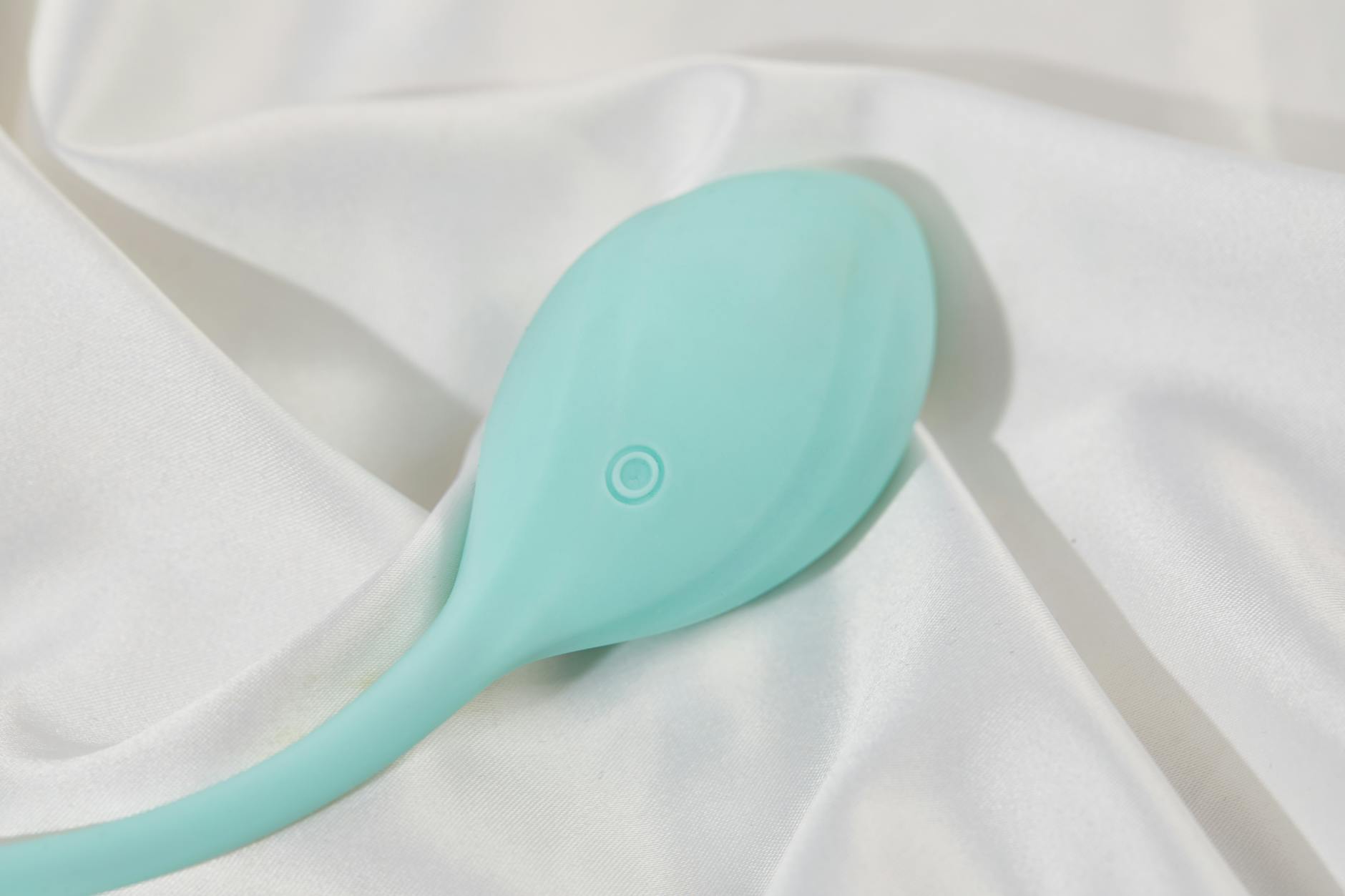
The Lem vibrator offers multiple patterns and speeds. Use this to your advantage. If you're in a "lower sensitivity" window, start on a pattern you'd normally skip (maybe pattern 3 or 4), then dial down if it's too much. If you're in a high-sensitivity window, begin on pattern 1 and stay there longer.
The key is never forcing intensity to match some imagined standard. Match intensity to where your body actually is today.
The application technique that protects against overstimulation
Direct suction on the clitoris can feel incredible when your tissue is ready for it. When you're in a sensitive perimenopause window, that same direct contact might sting or trigger that numb-then-overstimulated feeling.
Try this instead: apply the lemon sucker slightly off-center, so suction engages the clitoral area without pulling directly on the glans (the tip). Move it slowly around the external clitoris. You'll still get the suction stimulation, but the intensity is diffused and more manageable.
If that still feels like too much, place a thin piece of fabric (silk or soft cotton) between the toy and your skin. It mutes the sensation by maybe 20 percent. Not enough to kill pleasure, but enough to drop the intensity from "sharp" to "just right."
This matters because overstimulation during perimenopause doesn't just mean discomfort in the moment. Oversensitizing the clitoris can make sensation feel numbed the next time you try, which defeats the purpose.
Timing strategy: working with your cycle, not against it
Perimenopause cycles are erratic. Sometimes you're skipping a month entirely, sometimes periods come twice. But while they're still somewhat regular, you can use timing as a pleasure lever.
If you've noticed that days 10 to 15 are your "easiest," "best response" window, intentionally schedule longer, more exploratory sessions then. Days 1 to 5 or days 22 to 28, when sensitivity is heightened? Keep sessions shorter, focus on lower speeds, maybe use extra lubrication (water-based is safest with silicone toys).
You're not restricting yourself. You're being strategic about when you explore new patterns or push intensity. It's the difference between swimming with the current versus constantly fighting it.
Lubrication gets more important, not less
During perimenopause, estrogen fluctuations mean lubrication production is less reliable. Some days you feel naturally wet. Other days, even if you're aroused, lubrication is light or absent.
This is actually one reason lemon vibrators and clitoral suckers perform well during this time. They don't require the kind of gliding motion that traditional vibrators do, so lubrication matters less for comfort. But adding a small amount of water-based lube still helps, especially if you're using lower vibration settings and need suction to feel more defined.
Don't assume you're broken if you need lube when you didn't before. Perimenopause hormones are literally changing your tissue. Lube is a tool, not a failure.
Combining vibration and sensation: when to add texture
Some people find that during high-sensitivity perimenopause windows, adding texture (like a small pillow under your hips to change angle) or combining vibration with hand stimulation gives better results than the lemon vibrator alone.
You might try: start with the vibrator on a lower pattern, add external hand stimulation (fingers or palm pressure on the mons pubis), and let both work together. This distributes sensation across a wider area, which often feels less intense than concentrated suction alone, even though you're getting more total stimulation.
The lemon clitoral vibrator becomes one tool in a toolkit, not the whole job. That flexibility is what saves your pleasure during perimenopause.
When overstimulation happens: recovery protocol
If you do oversensitize the clitoris (that numb, raw feeling afterward), here's the recovery:
Stop vibrator use for two to three days. Apply no pressure or stimulation to the area. Wear soft underwear. Take warm baths if that feels soothing. The clitoris has around 8,000 nerve endings, and they need rest to reset sensitivity.
When you return, start at the lowest possible intensity. Some people find that switching to a different type of stimulation (hand only, or a toy with a different sensation profile) for a session or two helps the clitoris "forget" the overstimulated state.
This is not permanent damage. It's nerve fatigue. It resolves completely if you give it space.
Communication with partners during shifting sensitivity
If you have a partner, the clearest gift you can give is: "My sensitivity changes with my cycle. I might want lower intensity this week and higher intensity next week. I'll let you know what feels good today." That's it.
Most partners actually feel relieved by this clarity. It removes the guessing game. You're not rejecting them. You're being honest about what your body needs right now.
If you're exploring together with a lemon vibrator, the partner can hold and control the intensity, which gives them agency and you freedom to relax into feedback. That collaborative dynamic often feels better during perimenopause anyway, since arousal takes longer and the presence of a partner can help build it.
FAQ: Your perimenopause vibrator questions answered
How do I know if I'm overstimulating or just sensitive?
Overstimulation usually feels sharp, almost stinging, or produces that numb sensation that lingers after use. Sensitivity just means things feel strong faster. True overstimulation leaves the area feeling raw or uncomfortable the next day. Sensitivity doesn't. If you can orgasm and feel pleasure but things feel intense, that's sensitivity and it's manageable with lower settings or technique adjustments. If the area feels sore or you dread touching it again, that's overstimulation and you need recovery time.
Can I use lemon vibrators if I'm skipping periods?
Absolutely. In fact, once cycles become truly erratic, you might find using the vibrator on a regular schedule (maybe two or three times a week at lower intensity) actually stabilizes sensation better than trying to track a schedule that's no longer predictable. Your clitoris doesn't need your cycle to enjoy pleasure.
Should I switch to a different toy during perimenopause?
Not necessarily. The lemon clitoral vibrator is actually ideal during perimenopause because the suction sensation is distinct from traditional vibration. If anything, versatility in patterns and intensity matters more. The Lem offers that. What changes is technique and timing, not the toy itself. That said, some people find alternating between suction (lemon vibrator) and traditional vibration (like a wand toy) across different weeks prevents the numbness that can come from using the same sensation repeatedly.
How long does perimenopause last?
Typically eight to ten years, though it's wildly variable. Some people have four years of erratic cycles. Others have twelve. The sensitivity shifts you're managing now will eventually stabilize once you're fully postmenopausal, usually around age 51 on average. Until then, the flexibility system you're building now will serve you.
Is it normal to need break weeks from vibrators during perimenopause?
Completely normal. Some weeks your clitoris just wants a break. Honor that. Use your hands, explore sensation without vibration, or skip sex altogether. Perimenopause is a loud signal from your body that rigid approaches don't work anymore. Permission to rest is part of the pleasure system now, not a failure.
Can lube quality affect overstimulation?
Yes. Thick, silicone-based lubes (if safe for your toy material) provide more glide and can change how suction feels. Water-based lubes are lighter. If you're finding suction overstimulating, try switching lube types. Sometimes a change in viscosity is all you need.
Your pleasure is the north star, even when hormones are chaos
Perimenopause doesn't end pleasure. It rewrites the rules weekly. The lemon vibrator is flexible enough to meet you where you are if you're willing to tune in, adjust, and trust what your body tells you today. That attunement is actually a skill that makes pleasure richer long-term, once you get through this season.
If overstimulation or sensitivity shifts feel overwhelming, talking to a gynecologist trained in perimenopause can help rule out other factors (like thyroid changes or medication interactions) that sometimes amplify sensation shifts. Your body is working harder than it ever has during this transition. Supporting that with information and patience is the real work. The vibrator is just the tool.
Ready to explore at your own pace? Contact us if you have questions about which Hello Nancy toys work best for shifting sensitivity, or check out our buying guide for a broader look at clitoral vibrators for every sensation preference.
Related reading
If sensitivity during transitions resonates with you, you might also find these helpful: How Lemon Vibrators Work With Sensitive Clits During High-Stress Periods, Why Lemon Vibrators Require Different Technique After Menopause, and How to Use Lemon Vibrators When Switching From Traditional Vibrators.